Water Heater Installation: Types, Costs & Choosing the Right Model
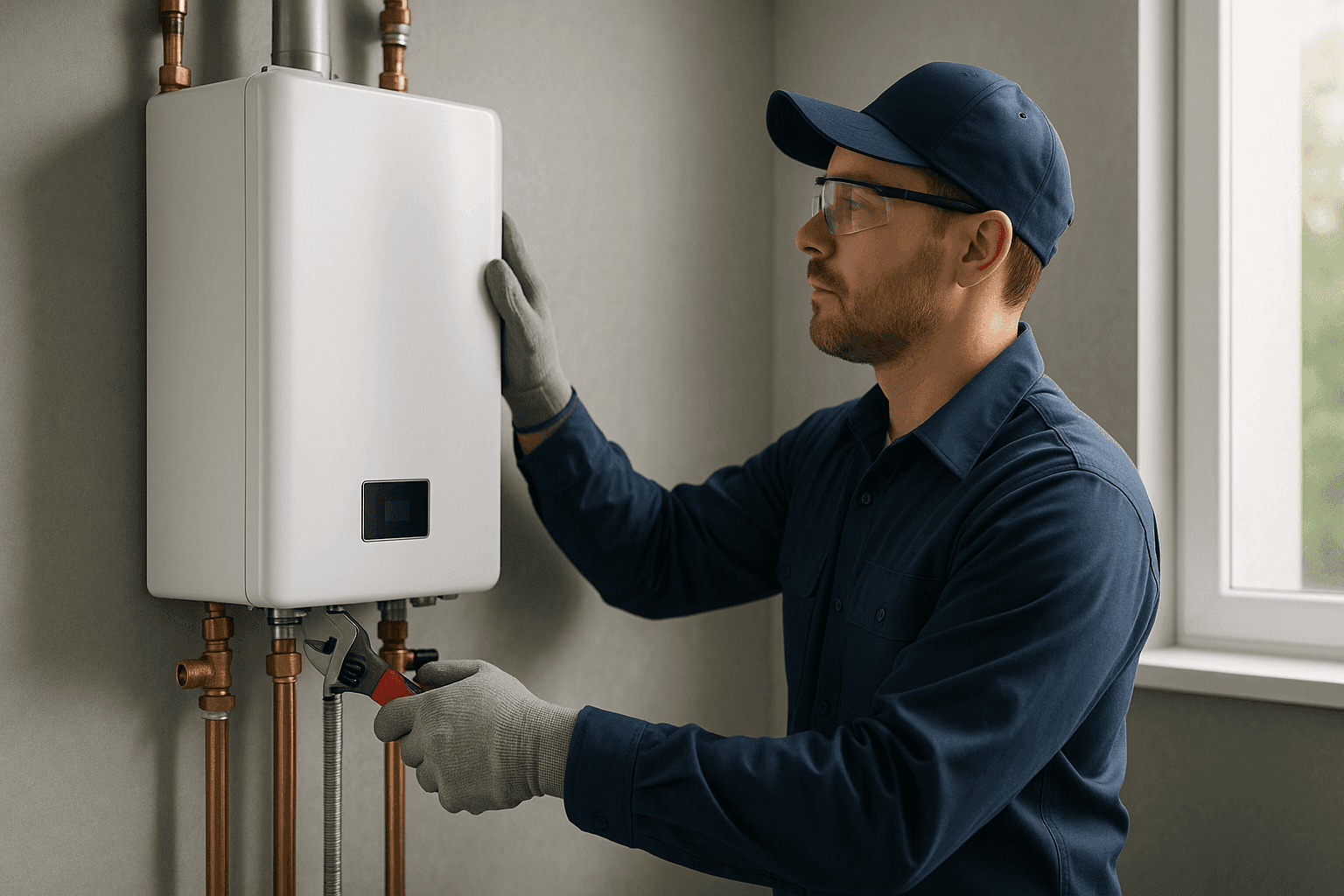
Is your shower running cold? Maybe you’re seeing rusty water, or hearing odd rumbling from the basement. When your water heater throws in the towel, life gets inconvenient—fast. At The Four Plumbing, we know how vital hot water is, whether you’re running a family home or a busy restaurant. And when things go wrong, you need answers, not a sales pitch.
Let’s break down your water heater options, costs, and what really matters when you’re picking and installing a new model. Whether you’re planning ahead or facing an emergency plumbing situation, this guide will keep you in the know.
Water Heater Options
Choosing a water heater is like picking shoes—one size never fits all. There are two main types:
Tank Water Heaters
- Traditional choice: Stores 30–80 gallons of hot water.
- Fuel options: Gas, propane, or electricity.
- Pros: Lower up-front cost, familiar technology.
- Cons: Standby heat loss (keeps water hot even when you don’t need it), takes up space, limited supply—when the tank’s empty, it’s cold showers for everyone.
Tankless Water Heaters
- On-demand: Heats water as you use it.
- Fuel options: Gas or electric.
- Pros: Endless hot water, compact design (think briefcase on the wall), 20+ year lifespan, saves energy by skipping standby heat loss.
- Cons: Higher up-front cost, may require upgraded gas lines or electrical work, can take longer to deliver hot water to distant taps.
Other Options
- Hybrid/Heat Pump Water Heaters: Use electricity to move heat from air to water—super efficient, but best for warm climates and larger spaces.
- Point-of-Use Heaters: Tiny units under sinks for instant hot water in remote spots.
- Solar Water Heaters: Eco-friendly but higher installation complexity and cost.
Pro tip: The U.S. Department of Energy recommends tankless models for households that use less than 41 gallons of hot water daily.
How to Size Your Water Heater 🛁
Ever try to fill a pool with a garden hose? Too small, and you’re left waiting. Too big, and you’re wasting money. Sizing your water heater is about balancing your needs and efficiency.
For Tank Water Heaters
- Family of 1–2: 30–40 gallons.
- Family of 3–4: 40–50 gallons.
- Family of 5+: 50–80 gallons.
- For commercial spaces, factor in peak usage—think simultaneous dishwashing, laundry, and hand-washing.
For Tankless Water Heaters
- Size by flow rate (gallons per minute, or GPM) and temperature rise (how much you need to heat incoming water to reach your set temp).
- Example: Shower (2.5 GPM) + kitchen sink (1.5 GPM) = 4 GPM needed if both run at once.
- Check your climate: Colder groundwater = bigger unit.
Tip: Ask about Sump Pump Repair near you for basements—water damage from leaks is a hidden cost.
Installation Steps: What’s Involved?
Water heater installation isn’t a simple swap. It’s a multistep job with safety and code compliance at every turn.
Step-by-Step Overview
- Shut off utilities: Gas, electricity, and water.
- Drain and remove old unit: This may mean wrestling with heavy tanks or tight crawlspaces.
- Check venting and connections: Gas lines, exhaust, and pressure relief valves must meet local code.
- Install new unit: Secure, level, and properly connected. For tankless, mounting and new venting may be needed.
- Test and inspect: Leak detection, temperature, and pressure checks.
- Dispose of old unit: Must follow municipal hazardous waste guidelines.
Reference: Consult the International Plumbing Code and local building codes—these set the rules for safe installation.
Cost Breakdown 💸
No one likes surprise bills. Here’s what to budget for:
- Tank Water Heaters: $700–$2,000 installed (ranges depend on size, fuel, and brand).
- Tankless Water Heaters: $1,500–$3,500 installed (higher up-front, but energy savings stack up over time).
- Hybrid/Heat Pump Models: $1,500–$4,000 installed.
- Extras: Upgraded venting, permits, or gas/electric line work can add $500–$1,500.
- Commercial installations (large capacity or multiple units): Higher cost and complexity.
Energy Savings and Rebates
- Energy Star models: Can cut water heating bills by up to 30%.
- Rebates: Many utilities and state programs offer rebates—sometimes $300+—for efficient models.
- Federal tax credits: Check the IRS website and your local energy provider for up-to-date incentives.
Quick Safety Checklist
- Check for gas or carbon monoxide leaks on old units.
- Ensure temperature/pressure relief valves are installed and unobstructed.
- Never cap off venting or pressure relief lines.
- Confirm water heater sits on a code-approved base, especially in garages.
- Install seismic straps if required (California and other seismic zones).
- For commercial: backflow prevention devices may be required.
Source: U.S. Consumer Product Safety Commission and local building authorities.
DIY vs. Call a Pro
Tempted to DIY? Like changing your own brakes, it’s possible—but one mistake can cost you big.
When DIY Might Work
- Swapping like-for-like electric tank models.
- You’re comfortable with plumbing, wiring, and following code.
When to Call The Four Plumbing
- Gas line work (always requires a licensed pro).
- Upgrading to tankless or hybrid systems.
- New venting, electrical, or relocation.
- Commercial or multi-family buildings (code compliance and inspections).
Remember: Improper installation can void warranties and even your homeowners insurance.
What Pros Do On Arrival 🛠️
A licensed plumber from The Four Plumbing will:
- Assess your space, water needs, and discuss options (not just brands).
- Check for code issues—like outdated venting, corrosion, or past leaks.
- Provide a written estimate with all necessary upgrades.
- Handle safe removal, installation, and code-required inspections.
- Offer tips for ongoing maintenance and explain warranty terms.
Prevention & Maintenance
A water heater isn’t “set and forget.” Here’s how you protect your investment:
- Annual flush: Removes sediment and extends tank life.
- Check anode rod: Replaces every 2–5 years to prevent rust (tank models).
- Test temperature/pressure relief: Keeps things safe.
- Inspect for leaks: Especially around fittings and base.
- Commercial: Schedule regular inspections per local codes.
Reference: Plumbing-Heating-Cooling Contractors Association guidelines.
Costs & Time Factors
- Residential swap: 2–4 hours for a basic tank, 6–8 for tankless or complex jobs.
- Commercial: Plan for downtime—overnight or weekend installs can reduce business disruption.
- Permits/inspections: Add 1–3 days, depending on your municipality.
- Disposal fees: Some areas charge extra for old units.
When It’s an Emergency
Hot water heater burst in the middle of the night? That’s a classic emergency plumbing call.
- Turn off water at the main valve.
- Shut off gas/electric to the unit.
- Call a licensed plumber—fast. Water damage spreads quickly.
For Sump Pump Repair near you, don’t wait until water is ankle-deep—prevention saves thousands.
FAQ
How do I know my water heater is failing?
Look for rust-colored water, rumbling noises, leaks, or no hot water. If your unit is 10+ years old, it’s likely near the end.
Can I install a larger water heater for faster hot water?
Not always. Sizing should match your actual usage and plumbing system. Oversized tanks waste energy and money.
What’s the average lifespan of a water heater?
- Tank: 8–12 years.
- Tankless: 20+ years with regular maintenance.
Are permits required?
Usually, yes—especially for gas and commercial installations. Always check with your local building department.
Local/Seasonal Considerations 🌡️
- Cold climates: Tankless units must be properly sized and insulated to deliver hot water quickly.
- Seismic zones: Extra bracing and seismic straps are required.
- Hard water: Consider a water filtration system to prevent scale buildup and premature failure.
- Commercial kitchens: May need booster heaters or redundant units for code compliance.
Choosing and installing the right water heater shouldn’t be a gamble. The Four Plumbing brings clarity, safety, and reliable service—no matter the hour.
Call The Four Plumbing now — or reach us anytime at 888-884-8551 .