How to Detect Plumbing Leaks in Your Home or Business
Plumbing leaks have a sneaky way of showing up at the worst possible time. One day, all seems well. The next, your floor is damp, your water bill spikes, or your business’s restroom is out of order. We get it—the stress is real, and the costs add up fast.
At The Four Plumbing, we know that catching leaks early is less about luck and more about knowing what to look, listen, and feel for. Whether you own a home or run a business, a little knowledge now can save a lot of trouble later.
Common Leak Locations
Leaks don’t always shout for attention. Sometimes, they whisper. Here’s where to listen and look:
- Behind walls: Pipes run like hidden veins. Watch for bubbling paint, warped drywall, or musty odors.
- Under sinks and basins: Water stains, soft cabinets, and a persistent damp smell are tip-offs.
- Basements and crawl spaces: Puddles or mildew may signal trouble from sump pump issues or burst pipes.
- Around water heaters and boilers: Drips near these appliances could mean failing valves or corroded tanks.
- Bathrooms and kitchens: Loose tiles, cracked grout, or unexplained water on the floor can all point to hidden leaks.
- Toilets and fixtures: A toilet that runs when no one's around, or a fixture that wobbles, can be a sign of trouble.
- Outdoors: Soggy patches in your yard? Sewer line leaks or damaged irrigation pipes could be the culprit.
🕵️♂️ Even small leaks can lead to big headaches—think mold, rot, and high utility bills. Catch them early to dodge disaster.
DIY Leak Tests
You don’t need to be a plumber to play detective. Here are practical steps you can take before calling for help:
Visual Checks
- Look for discoloration: Dark spots on ceilings, walls, or floors often mean water is seeping where it shouldn’t.
- Check for mold or mildew: These thrive in hidden damp spots, even if you clean regularly.
- Monitor your water meter: Turn off all faucets and appliances. If the meter still moves, water is escaping somewhere.
- Inspect fixtures: Wiggle toilets and faucets. Any movement or moisture could uncover a hidden leak.
Audible Clues
- Listen at night: When the house is quiet, do you hear hissing, dripping, or running water?
- Trickling sounds in walls: This is a classic sign, especially in multi-story buildings.
The Dye Test
- Toilet leak check: Add a few drops of food coloring to the toilet tank. Wait 10–15 minutes. If color appears in the bowl, you’ve got a leak.
The Touch Test
- Feel for dampness: Baseboards, under sinks, or along exposed pipes—dampness signals trouble.
- Temperature changes: Cold spots on walls or floors may indicate water accumulation.
Professional Detection Tools
Sometimes, a leak is buried so deep that only specialized tools can track it down.
- Acoustic leak detectors: These amplify the sound of water escaping under floors or behind concrete.
- Thermal imaging cameras: Infrared can see temperature differences in walls, pinpointing hidden moisture.
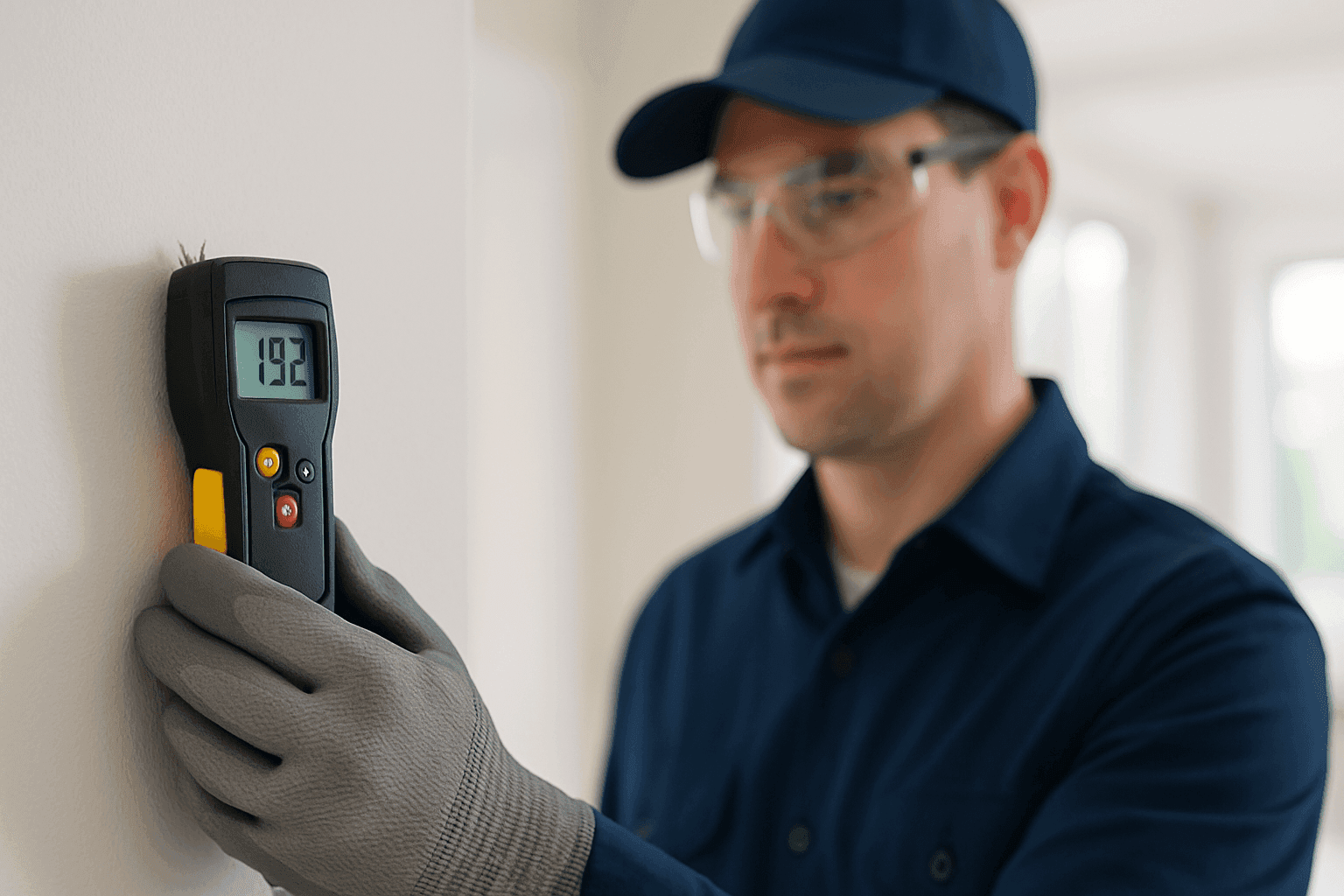
- Moisture meters: These check how much water is trapped in wood, drywall, or flooring.
- Pipe inspection cameras: Flexible, waterproof cameras snake through pipes to reveal cracks, roots, or blockages.
👷♀️ Professional tools can find what your eyes and ears can’t. According to the International Plumbing Code, early detection and prompt repair are crucial for safety and property protection.
Next Steps After Finding a Leak
So you’ve found something suspicious. Now what?
- Shut off the water: Stop the flow at the main valve if possible.
- Contain the damage: Use towels, buckets, or tarps to minimize water spread.
- Document everything: Photos and notes help with insurance claims or future repairs.
- Call emergency plumbing services: If water is gushing or you can’t locate the source, don’t wait.
- Schedule repairs: For minor drips, professional pipe repair or fixture installation fixes the issue before it becomes an emergency.
- Review plumbing codes: For commercial properties, check local health and safety codes (refer to the Uniform Plumbing Code or your municipality’s standards).
Why Early Detection Matters
Leaks aren’t just inconvenient—they’re expensive. Even a slow drip can waste thousands of gallons a year, undermine your property’s foundation, and attract pests. For businesses, leaks can lead to downtime, lost revenue, and code violations.
Early detection means smaller repairs. Less mess. And more peace of mind, whether you’re at home or running a high-traffic business.
When to Call The Four Plumbing
Some leaks you can patch. Others need a professional—fast. Here’s when to call for emergency plumbing:
- Water won’t stop: If you can’t control the flow, you risk flooding.
- Electrical risks: Water near wiring or outlets? Don’t take chances.
- Sewage leaks: Smells, soggy lawns, or gurgling drains signal sewer line trouble.
- Gas odors: If you suspect a gas leak, leave and call for immediate help (always follow local gas safety guidelines).
- No hot water: Water heater failure may be a sign of hidden leaks or imminent breakdown.
Prevention & Maintenance Tips
Most leaks start small. Stopping them before they grow is the best defense:
- Check visible pipes regularly: Look for rust, corrosion, or moisture.
- Schedule annual inspections: Especially if you have older plumbing or a history of issues.
- Install water alarms: These devices alert you at the first sign of trouble.
- Maintain sump pumps: Regular Sump Pump Repair near you can keep basements dry.
- Replace aging fixtures: Old hoses and valves are leak magnets.
- Test backflow prevention devices: Required for many commercial properties (per local regulations).
- Keep drains clear: Food, grease, and debris can cause backups and leaks.
Costs & Time Factors
Repair costs and timelines vary. A simple faucet fix might take an hour, while repiping or sewer line repair can stretch over several days. Expect to pay more for emergency plumbing, after-hours visits, or major excavation.
- DIY fixes: Minor leaks from loose connections or worn washers can cost just a few dollars and a little time.
- Professional repairs: Average jobs (like pipe repair or leak detection) can range widely based on location and extent of damage.
- Commercial jobs: Complexity rises with size, code compliance, and access needs.
Remember: the longer a leak goes undetected, the more expensive it becomes—not just in money, but in stress and inconvenience.
When It’s an Emergency
How do you know it’s urgent? Here’s a quick checklist:
- Water is pooling rapidly or flooding rooms
- You smell sewage or gas
- There’s visible mold or extensive water damage
- Multiple fixtures are clogged or draining slowly
- You’ve lost water pressure throughout the property
🏠 Don’t wait for “later.” The sooner you act, the less damage and downtime you’ll face.
FAQ
How do I know if I have a hidden leak?
Watch for unexplained spikes in your water bill, damp spots, mold, or musty odors—even if you can’t see water.
Is a slow drip really that serious?
Over time, yes. Small leaks can damage cabinets, floors, and foundations, and increase your bills.
What if I rent my space?
Notify your landlord or property manager right away. Prompt reporting protects you and the property.
Can I fix leaks myself?
Some minor issues can be DIY’d, but for anything behind walls, underground, or involving gas lines, always call a licensed plumber.
Local/Seasonal Considerations
Weather and location matter. In colder climates, frozen pipes are a top cause of winter leaks—insulate exposed plumbing before temperatures drop. In wet regions, sump pumps and backflow prevention devices work overtime. During spring thaws or heavy rains, keep an eye on basements and crawl spaces. For businesses, make seasonal plumbing maintenance part of your routine to avoid costly shutdowns.
Leaks never wait until it’s convenient. If you suspect a leak—or want peace of mind before disaster strikes—reach out.
Call The Four Plumbing now — or reach us anytime at 888-884-8551 .