Emergency Plumbing Guide: What to Do Before Help Arrives
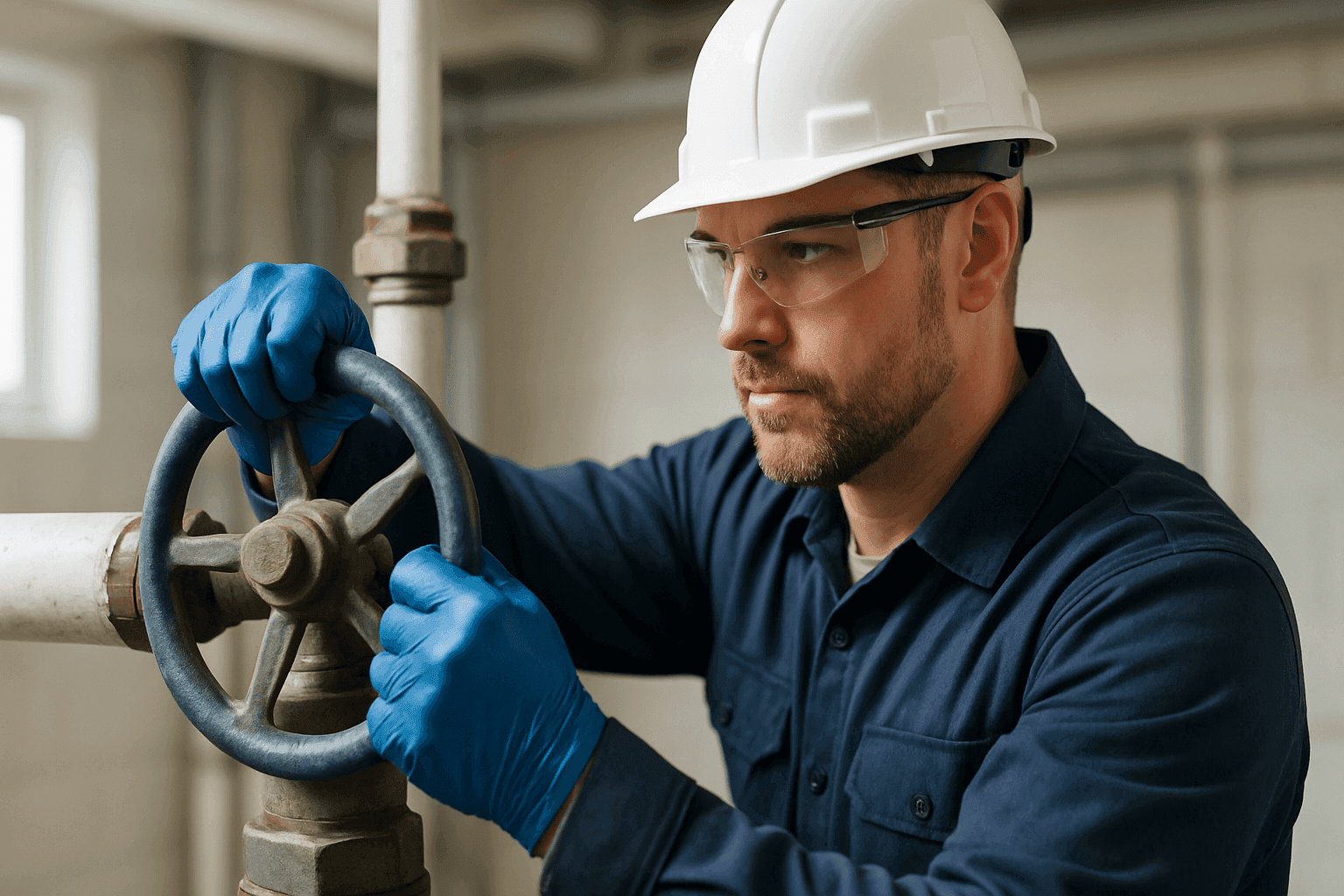
You hear the rush of water, or maybe the silence where your water heater should hum. Pipes burst, toilets overflow, or water creeps across your kitchen floor. It’s scary. Every minute matters.
At The Four Plumbing, we know plumbing emergencies can strike homes and businesses without warning. Licensed, insured, and ready 24/7, we respond fast. But before we arrive, there’s a lot you can do to protect what matters most.
Recognizing a Plumbing Emergency
What’s a true emergency? Sometimes a dripping faucet can wait. Other times, like a river forming in your basement, immediate action is crucial.
Common emergencies:
- Burst pipes (water gushing or spraying)
- Sewage backing up into tubs or drains
- No water or dangerously hot water from taps
- Gas odors near appliances or lines
- Flooding from sump pump failure
- Overflowing toilets or sinks that won’t stop
Think of your plumbing as the body’s arteries. If something’s leaking or blocked, the whole system can fail. If you spot water where it shouldn’t be—or smell gas—treat it like a fire alarm.
Quick Safety Checklist 🚨
First things first: stay calm. Then move fast, like you’re saving a favorite book from a rainstorm.
- Shut off the main water valve (usually in the basement, garage, or outside wall)
- Turn off electricity if water is near outlets or electrical panels
- Avoid using fixtures with visible leaks, clogs, or sewage backflow
- Ventilate if you smell gas; don’t use switches or phones inside—get out and call for help
- Contain the leak with towels, buckets, or pans
- Move valuables—electronics, papers, furniture—away from water
- Warn everyone on site (family, staff, tenants) and keep pets safe
Tip: If you don’t know where your main shut-off is, now’s the time to find it. Mark it. Make sure everyone knows.
DIY Actions vs. When to Call a Pro
Some problems can be managed with quick thinking. Others need a licensed, trained plumber—fast.
When DIY Helps
- Small leaks: Place a bucket under drips, wrap a towel around a pipe.
- Clogged drains: Use a plunger (never chemicals if water isn’t draining).
- Low water pressure: Check if it’s just one fixture or the whole property.
When to Call The Four Plumbing
- Unstoppable leaks (water won’t stop after shutting off a fixture)
- Gas line smells—leave the building and call immediately
- Sewer backups (dangerous to health and property)
- Water heater or boiler malfunctions (risk of fire or scalding)
Having a professional on the way is like calling the fire brigade. You can slow the damage, but only a pro can fix the real source.
What Pros Do On Arrival
Once our team arrives, we move quickly and safely. Here’s what to expect:
- Assess the emergency: Find the source and stop the flow
- Inspect for hazards: Electrical, gas, or structural risks
- Begin repairs: Pipe repair, sump pump fix, sewer line clearing—whatever’s needed
- Test systems: Make sure water, gas, and drainage are safe
- Share findings: Clear communication about what happened and next steps
Our licensed plumbers follow local codes and safety standards, such as those published by the International Association of Plumbing and Mechanical Officials (IAPMO) and the National Fire Protection Association (NFPA) for gas safety.
Prevention & Maintenance
The best emergency is the one you never have. Think of plumbing like car maintenance: a little prevention saves big headaches.
- Check pipes for corrosion, drips, or bulges—especially before winter
- Schedule annual inspections for boilers, water heaters, and gas lines
- Install water alarms in basements and near critical fixtures
- Test sump pumps every spring and fall
- Backflow testing protects your drinking water
- Know your shut-offs (main, toilets, sinks)
Don’t wait for water on the floor to take action. Preventative maintenance is the unsung hero of safe plumbing.
Costs & Time Factors
Every emergency is different. Some fixes take minutes; others, hours. The clock starts ticking the moment water starts flowing—or gas starts leaking.
Common influences on costs and time:
- Severity: Burst main vs. dripping joint
- Access: Hidden pipes require more work
- Parts needed: Specialty valves, filters, or pumps can take longer
- Time of day: After-hours calls may be faster but can affect cost
Nationally, the U.S. Environmental Protection Agency (EPA) estimates that a single leaky pipe can waste thousands of gallons per year. The faster you act, the less you lose.
When It’s an Emergency
How do you know it’s time to call for help?
- If you see water, hear hissing, or smell gas
- If you can’t stop the leak or clog with basic steps
- If sewage is coming up anywhere inside
- If there’s no water, or water is discolored or smells strange
Your safety and property come first. Commercial buildings must also consider health codes and insurance requirements—immediate action can stop violations or lost business.
FAQ
How do I shut off water in an emergency?
Find your main shut-off: usually a round or lever handle near where water enters your building. Turn it clockwise until it stops.
Are emergency plumbing services available after hours?
Yes, The Four Plumbing is on call 24/7. Plumbing problems don’t wait for business hours.
What should I do if I smell gas?
Leave the area immediately and call your gas provider or emergency number from a safe location. Do not use electrical devices or phones indoors.
Can I use chemical drain cleaners for clogged pipes?
Avoid them in emergencies. Chemicals can damage pipes, especially if water isn’t moving. Use a plunger or call a plumber.
Local & Seasonal Considerations 🌨️
Plumbing emergencies change with the seasons. Freezing winters mean more burst pipes. Heavy rains can overwhelm sump pumps and sewers. In older neighborhoods, tree roots and shifting soil can damage pipes.
Homeowners and business managers should:
- Insulate exposed pipes before winter
- Test sump pumps before storm season
- Clear gutters and drains regularly
- Watch for changes in water pressure or color
Stay alert to local weather warnings and building codes. Preventative steps now can keep your plumbing (and property) safe all year.
Don’t wait for a small leak to become a flood. For emergency plumbing—whether you need Sump Pump Repair near you, leak detection, or urgent pipe repair—help is one call away.
Call The Four Plumbing now — or reach us anytime at 888-884-8551 .