Water Heater Repair: Common Problems, Troubleshooting & Costs
Is your morning shower ice-cold? That sinking feeling when the water stays freezing can ruin your whole day. At The Four Plumbing, we understand how much you rely on hot water—at home or in your business. When your water heater malfunctions, it’s never at a convenient time.
Whether you have a tank or tankless model, knowing what to look for (and when to act fast) can save you stress, time, and money. Here’s your practical guide to water heater repair, from identifying problems to understanding costs.
Water Heater Warning Signs 🚩
Water heaters rarely fail overnight. Like a car with squeaky brakes, they usually give hints before quitting. Here are the most common red flags:
- Inconsistent Water Temperature: Hot, cold, lukewarm—cycling unpredictably.
- No Hot Water: The obvious one. You turn on the tap, but the water never heats up.
- Strange Noises: Rumbling, popping, or hissing sounds from the tank or unit.
- Discolored or Rusty Water: Brownish, reddish, or cloudy hot water.
- Leaking or Pooling Water: Moisture or puddles under or around your unit.
- Low Hot Water Pressure: Weak flow, especially in older homes or after years of mineral buildup.
- Error Codes: For tankless models, digital displays may show errors or warnings.
Ignoring these signs can lead to bigger, costlier problems—sometimes even property damage. Don’t wait for a small puddle to turn into a flooded basement.
Quick Safety Checklist
Before troubleshooting, safety comes first. Water heaters combine water, electricity, and sometimes gas—a risky trio if mishandled.
- Turn Off Power: For electric heaters, switch off the breaker. For gas, turn the gas valve to the “off” position.
- Let Things Cool: Hot water and steam can cause burns. Always let the system cool before inspecting.
- Shut Off Water Supply: Close the cold water inlet valve to prevent leaks or flooding.
- Check for Gas Smells: If you smell gas, leave the area immediately and call emergency plumbing services or your gas provider.
- Wear Gloves and Eye Protection: Especially when draining tanks or checking connections.
The National Fire Protection Association (NFPA) and local building codes stress the importance of following proper procedures for water heater maintenance. When in doubt—call a licensed plumber.
DIY Troubleshooting: What You Can Try
Some water heater hiccups don’t require a toolbox full of gadgets. Here’s what homeowners and business owners can check before calling for help:
For Tank Water Heaters
- Reset Button: Most electric tanks have a reset button under the upper access panel. Press it once; if the heater doesn’t restart, there’s a deeper issue.
- Pilot Light: For gas models, check if the pilot is lit. If not, relight it per the manufacturer’s instructions.
- Sediment Flush: Drain a few gallons from the tank via the drain valve to clear sediment. Use a bucket and be cautious—it’s hot!
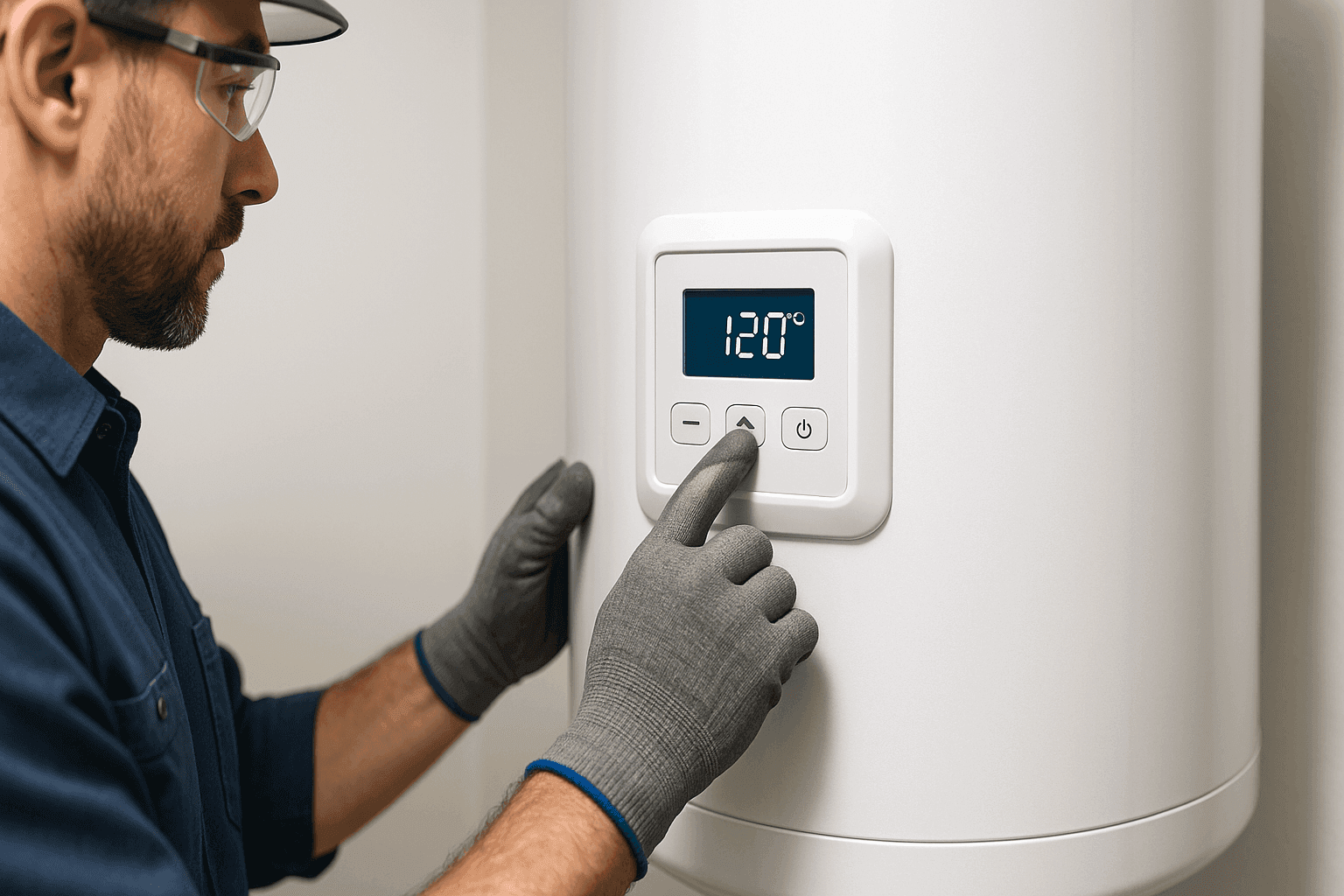
- Check Thermostat: Make sure the thermostat is set between 120–140°F (49–60°C).
For Tankless Water Heaters
- Error Codes: Consult your unit’s manual for code meanings and quick fixes (like cleaning air filters or clearing vent blockages).
- Descale Unit: If you know how, flush the unit with a descaling solution to remove lime and scale buildup.
- Inspect Inlet Filter: Remove and rinse debris from the cold water inlet filter.
If your efforts don’t resolve the issue, or if you encounter leaks, burning smells, or electrical concerns, it’s time to stop. Water heaters can be as unpredictable as spring weather.
DIY vs. Call a Pro
Not every water heater problem is a Saturday morning project. Here’s a quick gut check:
- DIY (if you’re confident): Resetting the breaker, relighting a pilot, basic thermostat checks, draining sediment (with care).
- Call a Professional: If you see leaks, gas smells, electrical issues, corrosion, or persistent error codes. Also, if your tank is over 8–10 years old, repairs may be temporary fixes.
Commercial water heaters, larger tanks, and tankless models with complex electronics should always be handled by certified technicians. Emergency plumbing teams like The Four Plumbing are trained for these scenarios.
What Pros Do On Arrival
When you bring in a plumber, here’s what you can expect:
- Comprehensive Assessment: Visual inspection for leaks, corrosion, and electrical or gas issues.
- Testing Components: Using multimeters, pressure gauges, and combustion analyzers to pinpoint the failure.
- Checking for Code Compliance: Ensuring all repairs and installations meet current plumbing and safety standards (as set out by the International Association of Plumbing and Mechanical Officials and local codes).
- Clear Communication: Explaining the issue in plain language, outlining repair or replacement options.
A professional’s toolkit includes more than wrenches—it’s experience, training, and up-to-date safety knowledge.
Prevention & Maintenance
Like changing oil in a car, routine water heater maintenance extends its lifespan and improves efficiency.
- Annual Flush: Have your tank drained and flushed at least once a year to prevent mineral buildup.
- Anode Rod Check: Replace every 3–5 years to prevent internal rusting.
- Test Temperature & Pressure Relief Valve: Should operate smoothly—this valve is your last line of defense against pressure buildup.
- Inspect for Leaks: Especially around fittings, valves, and the tank base.
- Descale Tankless Units: Flush with a vinegar solution or as recommended by the manufacturer.
The U.S. Department of Energy also suggests insulating hot water pipes and tanks for better performance and energy savings.
Costs & Time Factors
Water heater repair costs vary as much as the weather. Here’s what affects your bill:
- Type of Heater: Tank models are often cheaper to repair than tankless (which have more electronic components).
- Problem Severity: Minor fixes (resetting thermostats, replacing heating elements) are less costly than fixing leaks, gas valves, or circuit boards.
- Age of Unit: Older heaters may need more than a patch—sometimes a full replacement is more cost-effective.
- Parts Availability: Newer models are easier to source parts for; older or rare models may be pricier.
- Labor Time: Most repairs take 1–3 hours, but complex jobs (like tank replacements or repiping) can stretch longer.
Typical cost range: $100–$500 for common repairs; $1,000+ for full replacement or major component swaps. Emergency plumbing after-hours or weekend calls can add to costs.
When It’s an Emergency
Some water heater problems can’t wait. Here’s when to call emergency plumbing services immediately:
- Major Leaks or Flooding: Any water pooling around your heater can mean a ruptured tank or failed valve.
- No Hot Water in Winter: For homes and businesses, this can freeze pipes or disrupt essential operations.
- Gas Smell: Possible gas leak—leave the building and call for help.
- Tripped Breakers or Burning Smells: Electrical faults are fire hazards and should be handled by professionals.
If in doubt, it’s safer (and smarter) to call in the pros.
FAQ: Water Heater Repair
Can I repair my water heater myself?
Simple fixes like resetting the breaker or relighting the pilot are possible for many homeowners. For leaks, electrical, or gas issues, always call a licensed plumber.
How long should my water heater last?
Traditional tank models last 8–12 years on average. Tankless units can last up to 20 years with good maintenance.
Why does my water heater make noise?
Usually, it’s mineral sediment heating and popping at the bottom of the tank. Regular flushing helps prevent this.
Is it better to repair or replace?
If your unit is old, inefficient, or needs frequent repairs, replacement may save money over time.
Local and Seasonal Considerations 🌦️
In colder climates, water heaters work harder in winter. That’s when sediment buildup and worn-out parts are more likely to cause trouble.
If you live in an area with hard water, regular descaling and flushing are even more important. Commercial properties (restaurants, laundromats, gyms) may need more frequent maintenance due to heavier use.
No matter where you are, keep an eye out for water heater warning signs and schedule annual checkups.
A working water heater means comfort, safety, and peace of mind—at home or in your business. If you’re facing water heater trouble, don’t wait for a small issue to become a disaster.
Call The Four Plumbing now — or reach us anytime at 888-884-8551 .