Complete Guide to Water Filtration Systems for Homes & Businesses
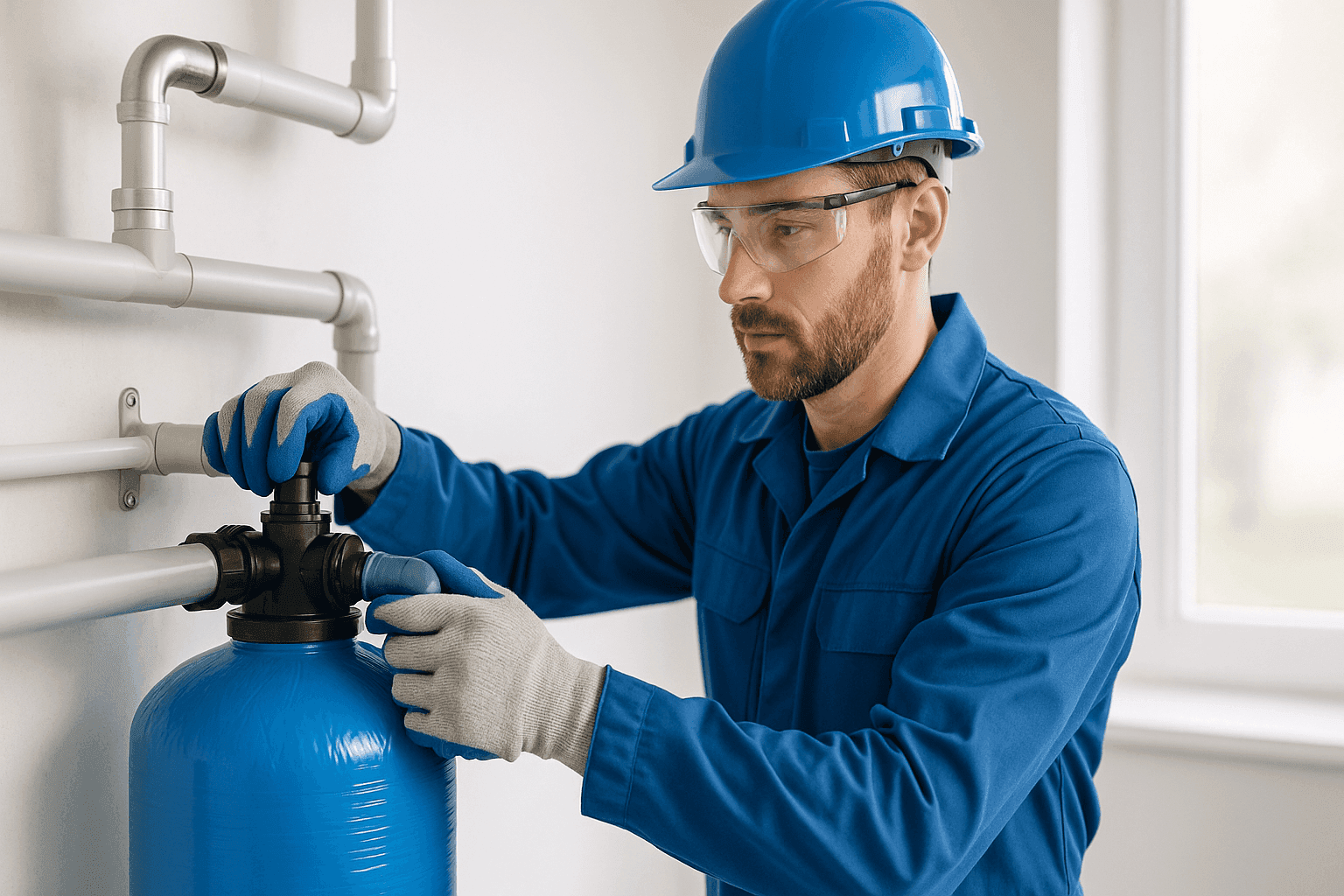
Is your tap water as clean as it looks? Most people never think twice. But water can hide a story—sometimes, it’s not the one you want to drink. At The Four Plumbing, we’ve seen how water filtration can make a real difference for families, renters, and business owners. Whether you’re facing odd tastes, stains, or just want peace of mind, understanding your options matters.
The right system can protect your pipes, your appliances, and your health. But with so many choices out there, it’s easy to feel lost. Let’s cut through the noise and make water filtration simple.
Why Filter Water? 🚰
You wouldn’t drink from a muddy puddle. Yet even clear tap water can carry things you’d rather avoid. Filtering water isn’t just about taste—it’s about safety, savings, and trust.
Common Water Quality Concerns:
- Chlorine or chloramine used by municipalities to disinfect water
- Lead or copper from aging pipes
- “Hard” water—high in minerals, which causes scale and reduces soap lather
- Pesticides and herbicides from agricultural runoff
- Microbes, bacteria, or cysts that sneak past city treatment
- Rust, sediment, or cloudiness from older water lines
These aren’t just big city problems. Suburbs, rural wells, and commercial buildings face them too. The U.S. Environmental Protection Agency (EPA) sets standards, but aging infrastructure and local issues mean your water can still pick up unwanted passengers on the way to your faucet.
Benefits of Filtering:
- Clean, crisp taste (no more metallic or chemical flavors)
- Healthier water for drinking, cooking, and washing
- Less scale buildup in pipes and appliances
- Fewer plumbing headaches—like clogs, leaks, and costly repairs
- Peace of mind for you and every customer or guest
Types of Water Filtration Systems
Water filtration isn’t one-size-fits-all. Think of it like choosing shoes: you need the right fit for the job. Here’s a quick look at the main options.
Carbon Filters
How they work: Like a sponge, activated carbon grabs onto contaminants as water passes through. Good at removing chlorine, odors, and some organic chemicals.
- Common in pitchers, faucet attachments, and under-sink units
- Easy to install and maintain
- Needs regular cartridge changes
Reverse Osmosis (RO)
How it works: Water gets pushed through a fine membrane, leaving most impurities behind—like a bouncer at a club turning away the troublemakers.
- Removes dissolved solids, lead, arsenic, nitrates, and more
- Usually installed under the sink or as a whole-house unit
- Can waste some water during filtration process
Water Softeners
How they work: Swaps hard minerals (like calcium and magnesium) for sodium or potassium—think of it as a handshake deal that leaves your water “soft.”
- Reduces scale, soap scum, and extends appliance life
- Not designed to remove chemicals or microbes
- Best for areas with hard water problems
UV Disinfection
How it works: Blasts water with ultraviolet light to kill bacteria and viruses—like sunshine in a tube.
- Often paired with other filters for well water or high-risk areas
- No chemicals, no taste changes
Sediment Filters
How they work: Simple mesh or cartridge traps dirt, sand, and rust. Think of it as a coffee filter for your plumbing.
- First line of defense for older pipes or well water
- Often used as a “pre-filter” with other systems
Home vs. Commercial Water Filtration Needs
Homes and businesses have different plumbing footprints. The stakes are higher for restaurants, offices, and multi-unit buildings—one issue can affect dozens or hundreds of people.
Home Water Filtration:
- Focus on drinking water, showers, and protecting appliances
- Under-sink, whole-house, or point-of-use systems
- Simpler maintenance, but still needs regular checkups
Commercial Water Filtration:
- Larger volumes, higher demand (think coffee shops, schools, hotels)
- Must meet local health codes and safety standards (see NSF/ANSI certifications)
- May require custom solutions: multi-stage filtration, high-capacity softeners, or industrial RO
- More frequent maintenance and monitoring
If you run a business—especially one serving food, healthcare, or hospitality—water quality isn’t just comfort. It’s compliance and reputation.
Maintenance Tips for Water Filtration Systems 🛠️
A filter that’s ignored is like a car never getting an oil change. It might work for a while, but problems build up fast. Here’s how to keep things running smooth:
- Check filter change schedules: Most carbon cartridges last 3–6 months. RO membranes may last 2–3 years. Read your manual!
- Watch for pressure drops: If your water flow slows, your filter may be clogged.
- Clean housings and sanitize: Mold and bacteria love dark, damp places. A yearly cleaning keeps things fresh.
- Replace UV bulbs: If you use a UV system, bulbs lose effectiveness after 12 months—even if they still light up.
- Monitor water taste and smell: If something changes, don’t ignore it. It could be time for service or a deeper inspection.
- Test water periodically: Home test kits or lab services can confirm your system is working.
Want an extra layer of protection? Schedule preventative maintenance with a professional, especially if your system is tied into critical plumbing or you manage a commercial property.
Local Water Quality & Certification Considerations
Every city, town, or rural area tells a different water story. Don’t assume your neighbor’s solution fits your situation.
- Check your local annual water quality report (Consumer Confidence Report, or CCR): Required by the EPA for public water supplies. Ask your water utility or search their website.
- Well water? Private wells aren’t regulated by the EPA. Test at least once a year for bacteria, nitrates, and heavy metals.
- Look for certifications: NSF International and ANSI standards ensure filters do what they claim. For example, NSF/ANSI 53 covers contaminant reduction; NSF/ANSI 42 covers taste and odor.
- Plumbing codes: Some locations require backflow prevention or regular backflow testing, especially for commercial installations. Always check with your local building authority.
Choosing the Right System
It starts with questions. What’s in your water? How much do you use? Do you need Sump Pump Repair near you to fix basement leaks that could contaminate water lines? Are you protecting kids, seniors, or customers with health sensitivities?
Steps to Take:
- Test your water: Start with a home test kit or a certified lab analysis.
- Identify your main concern: Taste? Lead? “Hardness”? Bacteria?
- Match the system to the problem: No single filter does it all.
- Consider installation space and plumbing: Under-sink, countertop, or whole-house?
- Budget for both purchase and ongoing maintenance: Don’t forget cartridge or salt replacement.
Maintenance Checklist for Lasting Performance
- Mark calendar reminders for filter changes.
- Clean filter housings annually.
- Flush RO membranes as recommended.
- Inspect plumbing connections for leaks—especially after installation.
- Keep a record of service dates and water test results.
When to Call Emergency Plumbing Services
Sometimes water filtration is more than a convenience—it’s critical. Don’t wait if you experience:
- Sudden drop in water pressure throughout the house or business
- Unexplained leaks near your filtration or softener system
- Water with a strong rotten egg, chemical, or metallic smell
- Noticeable discoloration (brown, orange, or cloudy water)
- No water flow after changing filters (could be an installation issue)
If you see water pooling near pipes, hear hissing, or suspect a cross-connection, call an emergency plumbing service immediately. Fast action protects your property and health.
FAQ: Common Water Filtration Questions
How often should I replace my water filter?
Depends on the system and usage. Carbon filters: 3–6 months. RO membranes: 2–3 years. Always check the manufacturer’s guidance.
Is filtered water safe for cooking and pets?
Yes. Filtered water usually removes chemicals and contaminants that can affect taste and health, making it good for everyone in the house.
Can water filtration help with lead pipes?
Yes, but only with filters certified for lead removal (NSF/ANSI 53). If you have old plumbing, consider pipe repair or repiping as well.
Do I need a plumber to install a system?
For pitcher or countertop filters, probably not. But for under-sink, whole-house, or commercial systems—especially if you need backflow prevention or leak detection—professional installation ensures safety and code compliance.
Seasonal & Local Considerations 🏡
- Spring thaw and heavy rains: Can increase contaminants in well water or older municipal systems. Test more frequently.
- Drought: May concentrate minerals or chemicals, affecting taste and appliance performance.
- Construction or plumbing work nearby: Can stir up sediment or cause temporary water issues.
- Older neighborhoods: More likely to have lead, copper, or galvanized pipes requiring regular testing or upgrades.
Stay aware of local advisories. Your city or county health department can be a good resource for alerts and water quality updates.
Fresh, clean water isn’t just a luxury—it’s a necessity for life and business. The Four Plumbing is here to help you navigate your options, install the right system, and keep everything flowing safely, day or night.
Call The Four Plumbing now — or reach us anytime at 888-884-8551 .