Unclogging Toilets Fast: Pro Tips for Home & Business
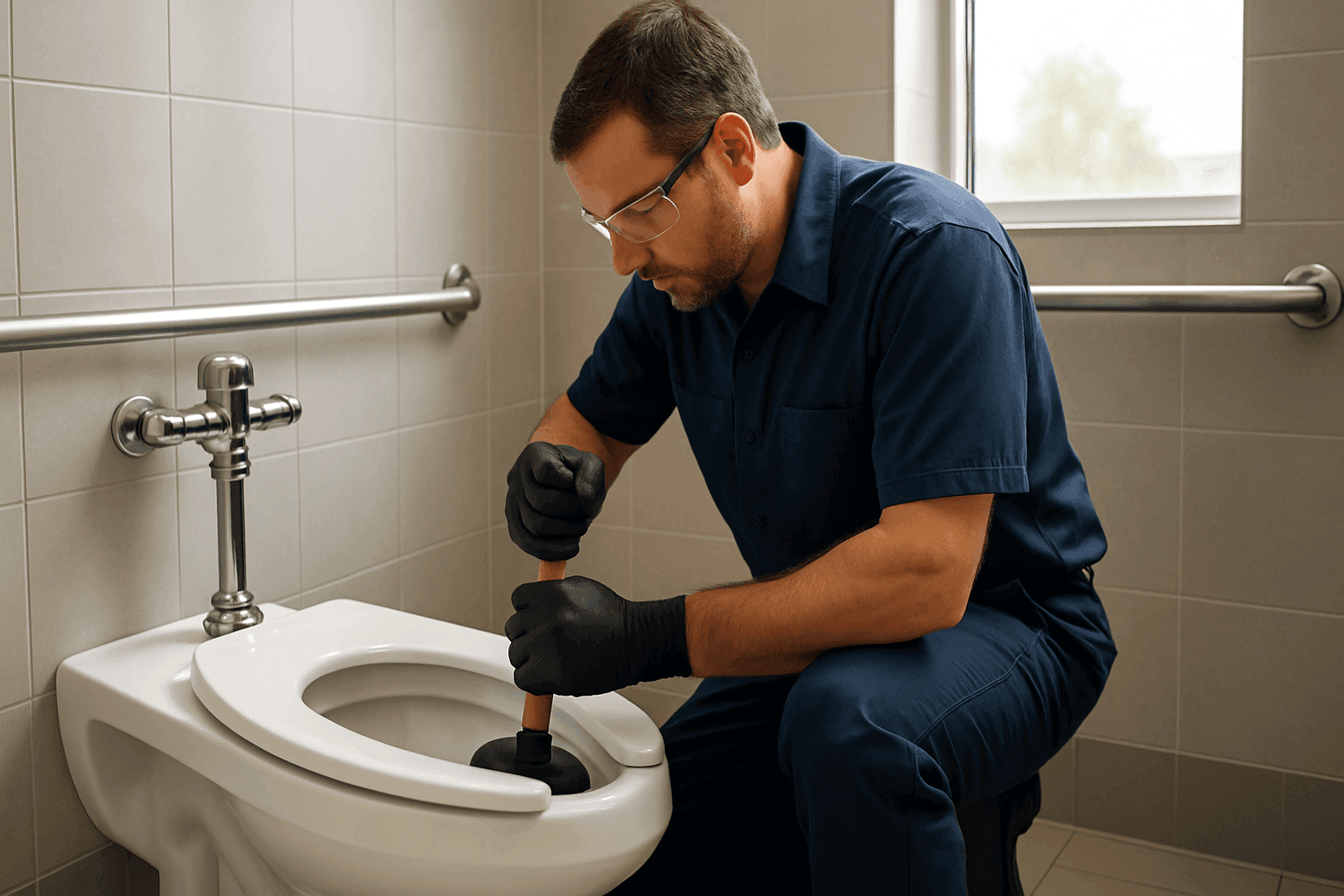
When the toilet backs up, panic can set in. Whether at home or running a busy café, a clogged toilet is never convenient. The mess, the embarrassment, the disruption—it's enough to make anyone want a magic fix.
At The Four Plumbing, we get it. We’re called for emergency plumbing every day. But not every clog needs a pro. With the right steps, you can fix most blockages quickly and safely. Let’s walk through the process—so you know when to roll up your sleeves, and when it’s time to call for help.
Causes of Toilet Clogs 🚽
Clogs happen for all sorts of reasons. Some are easy to fix. Others point to bigger problems in your plumbing.
Common causes:
- Excess toilet paper in one flush
- Non-flushable items (wipes, toys, feminine products)
- Low-flow toilets struggling with older plumbing
- Hard water buildup narrowing pipes
- Grease, debris, or foreign objects in commercial settings
In businesses, especially restaurants and offices, clogs can be more frequent. High foot traffic means more usage and more chances for something to go wrong. ADA-compliant restrooms, while essential, also mean larger stalls and fixtures—sometimes requiring different maintenance approaches.
DIY Unclogging Steps
Before you panic or reach for the phone, try these steps. Most home and business clogs can be cleared safely with a little patience and the right tools.
Step 1: Stay Calm and Prep the Area
- Place newspapers or old towels around the base.
- Put on gloves—hygiene always comes first.
- Open a window or turn on the fan for ventilation.
Step 2: Use a Plunger (The Right Way)
- Choose a flange plunger (the one with a bell-shaped end).
- Ensure enough water in the bowl to cover the plunger head. Add water if needed.
- Place the plunger straight over the hole, forming a tight seal.
- Push down slowly, then pull up sharply. Repeat 10–15 times.
- Listen for that satisfying gurgle—often, that’s the sound of success.
Step 3: Try a Toilet Auger (If Needed)
- A toilet auger (closet auger) can tackle tougher clogs.
- Insert the flexible end into the bowl, gently cranking as you go.
- If you hit resistance, back up and try again slowly.
- Never force it—pushing too hard can crack the porcelain.
Step 4: Flush with Caution
- If water levels drop, try a gentle flush.
- If the bowl fills, stop. Too much water risks overflow.
- Repeat plunging or augering as needed.
What to Avoid
- Never use chemical drain cleaners in a toilet. They can damage pipes, fixtures, and are hazardous to skin.
- Don’t use coat hangers or sharp objects—these can scratch or break the bowl.
Quick Safety Checklist ✅
- Gloves on before starting
- Protective eyewear if splashing is likely
- Keep cleaning supplies nearby for quick disinfection
- Never mix cleaning products—some combinations release toxic fumes
- For businesses: Post an “Out of Order” sign to meet ADA and local code requirements
DIY vs. Call a Pro
Some clogs need more than a plunger. Here’s when it’s time to call emergency plumbing:
- Water is rising and won’t go down
- Multiple drains backing up at once
- Foul odors linger after clearing
- You hear gurgling from other drains (could signal a sewer line issue)
- There’s visible water damage or leaks
For commercial restrooms, quick resolution is critical. Delays can lead to ADA compliance issues, unhappy customers, and even health code violations. If you’re ever unsure, a fast call for assistance can save time, money, and headaches.
What Pros Do On Arrival
When The Four Plumbing team arrives, we bring more than just a plunger.
Here’s what to expect:
- Assess the situation—checking for overflow risks, water damage, or sewer backups
- Use professional-grade augers, inspection cameras, or hydro-jetting
- Test for deeper issues like tree roots or collapsed pipes (especially in older buildings)
- Disinfect the area to local health standards
We also check for signs of chronic problems. One clog might be a fluke, but repeated issues often mean something bigger is brewing underground.
Preventing Future Clogs 🛡️
The best fix is prevention. Develop healthy habits at home and clear protocols at work.
For homes:
- Flush only toilet paper and human waste
- Teach kids what can (and can’t) go down the toilet
- Schedule regular preventative maintenance
For businesses:
- Post clear signage—remind staff and customers what stays out of the toilet
- Use high-quality, septic-safe paper products
- Train cleaning crews to spot early warning signs
- Schedule regular inspections, especially in high-traffic restrooms
According to the International Plumbing Code (IPC) and Americans with Disabilities Act (ADA) guidelines, keeping restrooms clean and operational is not just about good business—it’s law.
Commercial Restroom Tips
Business restrooms face unique challenges. Multiple users, unpredictable traffic, and stricter regulations mean you need a solid game plan.
- ADA Compliance: Ensure all “Out of Order” signs are visible and accessible. Stalls must remain open for those with disabilities whenever possible.
- Scheduled Checks: Assign staff to check restrooms hourly during peak times.
- Backup Supplies: Keep plungers and cleaning tools in a discreet, accessible place.
- Professional Inspections: Have a plumbing pro evaluate your system twice a year, especially in older buildings or food service settings.
A single overflowing toilet can drive away customers and lead to negative reviews. Stay ahead with proactive care.
Costs & Time Factors
Toilet clogs come in all shapes and sizes. So do the costs and time needed to fix them.
DIY Fixes:
- Most plunging jobs take under 15 minutes.
- Augering may add another 10–20 minutes.
- Supplies (plunger, gloves, auger) are affordable and reusable.
Professional Help:
- Emergency plumbing visits are priced based on urgency, time of day, and job complexity.
- Deep clogs, sewer issues, or repairs inside the wall will take longer and cost more.
- For commercial buildings, after-hours service may be higher but helps avoid business disruption.
Remember: Quick action usually saves you money and reduces downtime.
When It’s an Emergency 🚨
A slow drain is one thing. But if you see these signs, it’s time for emergency plumbing:
- Water flooding the floor
- Backups in multiple fixtures at once
- Sewage smells in your home or business
- Customers or staff unable to use any facilities
Don’t wait. These issues can escalate fast, causing water damage, mold, or health hazards.
FAQ
How do I know if a clog is in the toilet or the main line? If only one toilet or drain is affected, it’s likely a local clog. If multiple fixtures back up together, the main sewer line could be blocked.
Are flushable wipes really safe? Despite the label, most wipes don’t break down quickly and can cause blockages. Stick to toilet paper.
Can repeated clogs mean bigger problems? Absolutely. Frequent blockages sometimes point to issues like tree roots, pipe corrosion, or inadequate venting. A professional inspection can pinpoint the cause.
Is it safe to use a plunger in a commercial restroom? Yes, but ensure staff use gloves and disinfect tools after each use to meet hygiene standards.
Local/Seasonal Considerations
In colder months, pipes can contract—making older lines more prone to clogs. Heavy rains can overwhelm sewer systems, especially in older neighborhoods, leading to backups. If you’re in a region with hard water, mineral buildup might be your unseen culprit.
For businesses, consider seasonal spikes. Holidays, festivals, or local events mean more restroom traffic. Plan extra maintenance and supply checks during these times.
When a toilet clogs, fast action matters. Whether you’re at home or managing a busy business, The Four Plumbing is ready to help with emergency plumbing, Sump Pump Repair near you, and every other plumbing need—24/7.
Call The Four Plumbing now — or reach us anytime at 888-884-8551 .