Toilet Repair 101: Fixing Leaks, Running & Weak Flush Issues
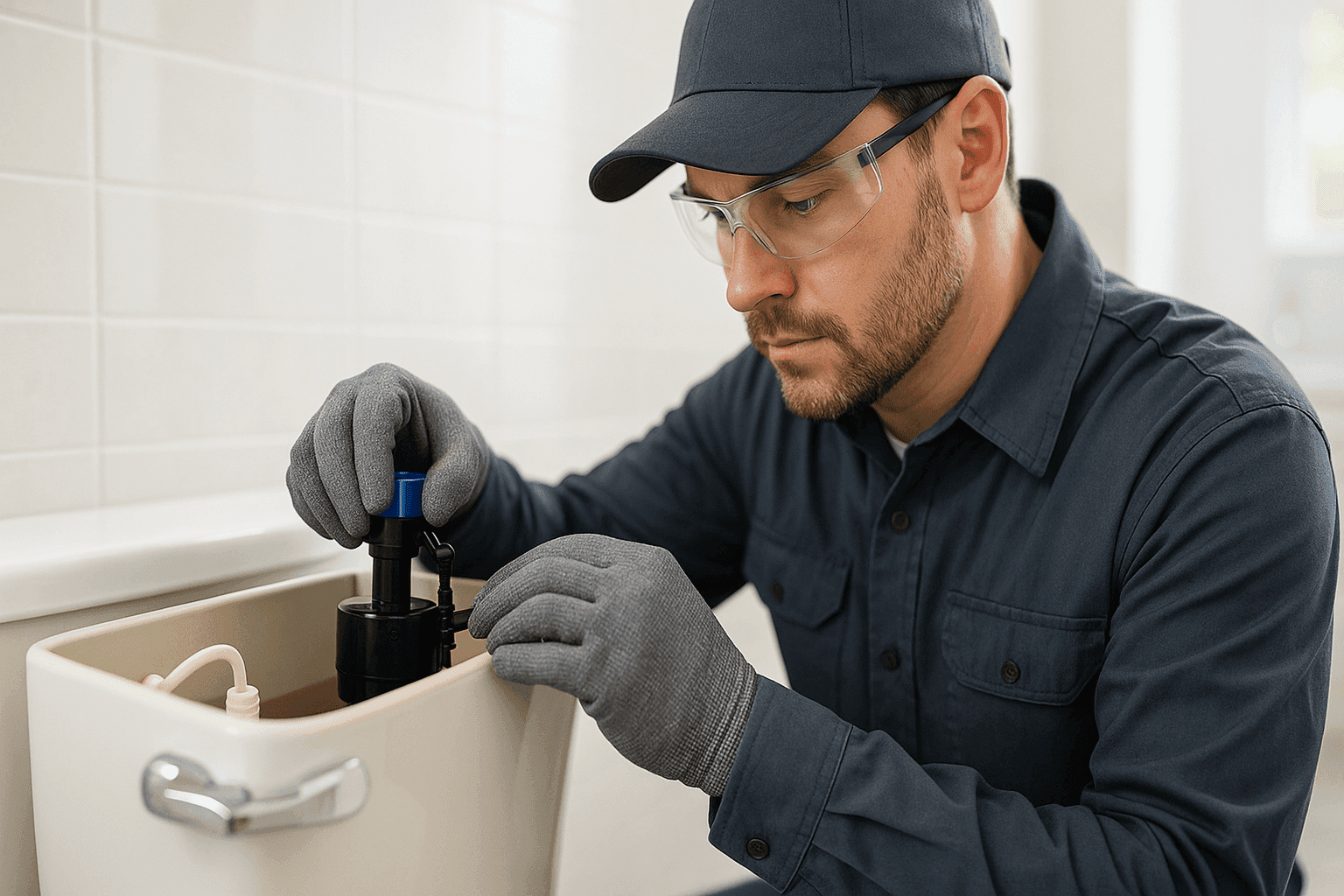
Whether you’re at home or managing a busy business property, a misbehaving toilet can throw the whole day off balance. The sound of running water, a puddle creeping out from under the bowl, or a flush that fizzles instead of roars—these aren’t just annoyances. They can mean wasted money, water damage, and even safety problems.
At The Four Plumbing, we see these issues every day. From emergency plumbing calls in the middle of the night to routine maintenance for commercial restrooms, our team knows what works. Here’s your practical guide to fixing leaks, running water, and weak flushes—fast.
Common Toilet Problems 🚽
Toilets are simple machines. But when something goes wrong, it can feel like a mystery novel with too many plot twists. Here are the main culprits you’ll run into:
- Leaking at the base: Water pooling around the toilet? The wax ring or bolts may need attention.
- Constantly running water: If you hear trickling or hissing, the flapper, float, or fill valve could be the villain.
- Weak or incomplete flush: A flush that doesn’t clear the bowl can point to low tank water, blocked jets, or a clog.
- Phantom flushes: Toilet refills on its own? That’s likely a slow leak from the tank to the bowl.
- Loose handles or sticking levers: Not all issues are hidden—sometimes it’s just a worn-out part on the outside.
For commercial bathrooms or ADA-compliant restrooms, faulty toilets can create accessibility or hygiene risks. Stay ahead by understanding the signs.
Quick Safety Checklist
Before you grab a wrench, stop and scan this list:
- Turn off the water: Use the shutoff valve behind the toilet.
- Keep floors dry: Place towels around the base to avoid slips.
- Check for electrical hazards: Especially in commercial settings with automatic flushers.
- Use gloves: Toilets are not known for cleanliness.
- ADA restrooms: Don’t alter grab bars or accessibility features.
- Commercial restrooms: Use “Out of Order” signs to protect users.
If you’re unsure or spot signs of a bigger problem (like water pooling in ceilings below), call emergency plumbing help right away.
DIY Repair Steps
You don’t need a toolbox the size of a suitcase, but a few basics will help:
- Adjustable wrench
- Screwdriver
- Replacement flapper or fill valve (hardware stores carry universal kits)
- Plunger
- Bucket and towels
Fixing a Leaky Toilet Base
- Turn off water.
- Empty the tank (flush and hold handle).
- Remove bolt covers at the base; tighten bolts gently.
- Still leaking? The wax ring may need replacement—this involves lifting the toilet.
- Check floor stability: Soft spots mean you may need a pro.
Stopping a Running Toilet
- Lift the tank lid.
- Check the flapper: Is it sealing tightly? If not, replace it.
- Adjust the float: It should sit just below the overflow tube. Too high, and water spills.
- Inspect the fill valve: If noisy or slow, a new one is easy to install.
Solving Weak Flushes
- Check tank water level: Should be about an inch below the top of the overflow tube.
- Clean rim jets: Use a wire or toothbrush to clear buildup under the rim.
- Test for clogs: A slow drain might need a plunger or snake.
ADA and Commercial Restroom Tips
- Use ADA-approved height toilets and lever handles.
- Never remove or reroute grab bars.
- For high-traffic restrooms, use commercial-grade repair parts.
When to Replace Parts
Some parts wear out faster than others. Here’s when to swap instead of tweak:
- Flappers: Every 2–5 years, or if rubber is brittle.
- Fill valves: If adjusting doesn’t fix slow fills or noise.
- Wax rings: Any time you remove the toilet or see floor leaks.
- Handles and levers: When they stick or wiggle loose.
If repairs keep coming back, it may be time for a full fixture replacement—especially in businesses or rental properties.
Preventing Future Issues 🛠️
A little maintenance goes a long way. Here’s what to add to your routine:
- Monthly: Check for leaks, tighten bolts, and test the flush.
- Every 6 months: Clean jets, inspect the tank, and look for corrosion.
- Annually: Replace old supply lines, especially braided hoses.
- Commercial/ADA restrooms: Schedule quarterly checks. High use means faster wear.
Reference the International Plumbing Code (IPC) and ADA Accessibility Guidelines for compliance and safety. Regular inspections keep things flowing and help avoid emergency plumbing calls.
Costs & Time Factors
- DIY fixes: Simple flapper or handle fixes can take 10–30 minutes and cost less than lunch.
- Wax ring or valve replacement: Plan for 1–2 hours.
- Professional repair: Most residential calls are resolved within an hour. Commercial or ADA setups may require more time for code compliance.
Parts range from a few dollars for flappers to more for fill valves or specialty ADA hardware. Labor costs depend on problem complexity—not all repairs are created equal.
When It’s an Emergency
Not every toilet problem can wait. Call for emergency plumbing if:
- Water is flooding the room or leaking into lower floors.
- Sewage is backing up into the toilet or drains.
- The only accessible toilet for a business, school, or ADA facility is out of service.
- You can’t find or turn off the shutoff valve.
Act quickly to avoid water damage, business disruption, or code violations.
FAQ
How do I know if my toilet leak is serious?
If water is pooling on the floor, staining ceilings below, or smells like sewage, call for help. Quick action saves repairs down the line.
What’s the most common cause of a running toilet?
A worn flapper or misadjusted float. Both are easy to check and replace.
Is it safe to use chemical drain cleaners?
Generally, no. They can damage pipes and are not recommended for toilets, especially in commercial or ADA restrooms.
How often should toilets be inspected in commercial buildings?
The International Plumbing Code recommends checking fixtures quarterly, or more frequently for high-use restrooms.
Local & Seasonal Considerations
- Cold climates: Pipes and tanks can sweat or freeze. Insulate pipes and check for condensation.
- High-traffic areas: Restaurants, schools, and malls—expect more frequent repairs and consider upgrading to commercial-grade fixtures.
- Older buildings: Watch for outdated plumbing that may not meet today’s codes. Upgrades can improve efficiency and accessibility.
The Bottom Line
Toilet trouble doesn’t have to ruin your day—or your business. With these clear steps, you can handle most issues quickly or know when to call for backup.
Call The Four Plumbing now — or reach us anytime at 888-884-8551 .