Sump Pump Maintenance Checklist: Prevent Basement Flooding
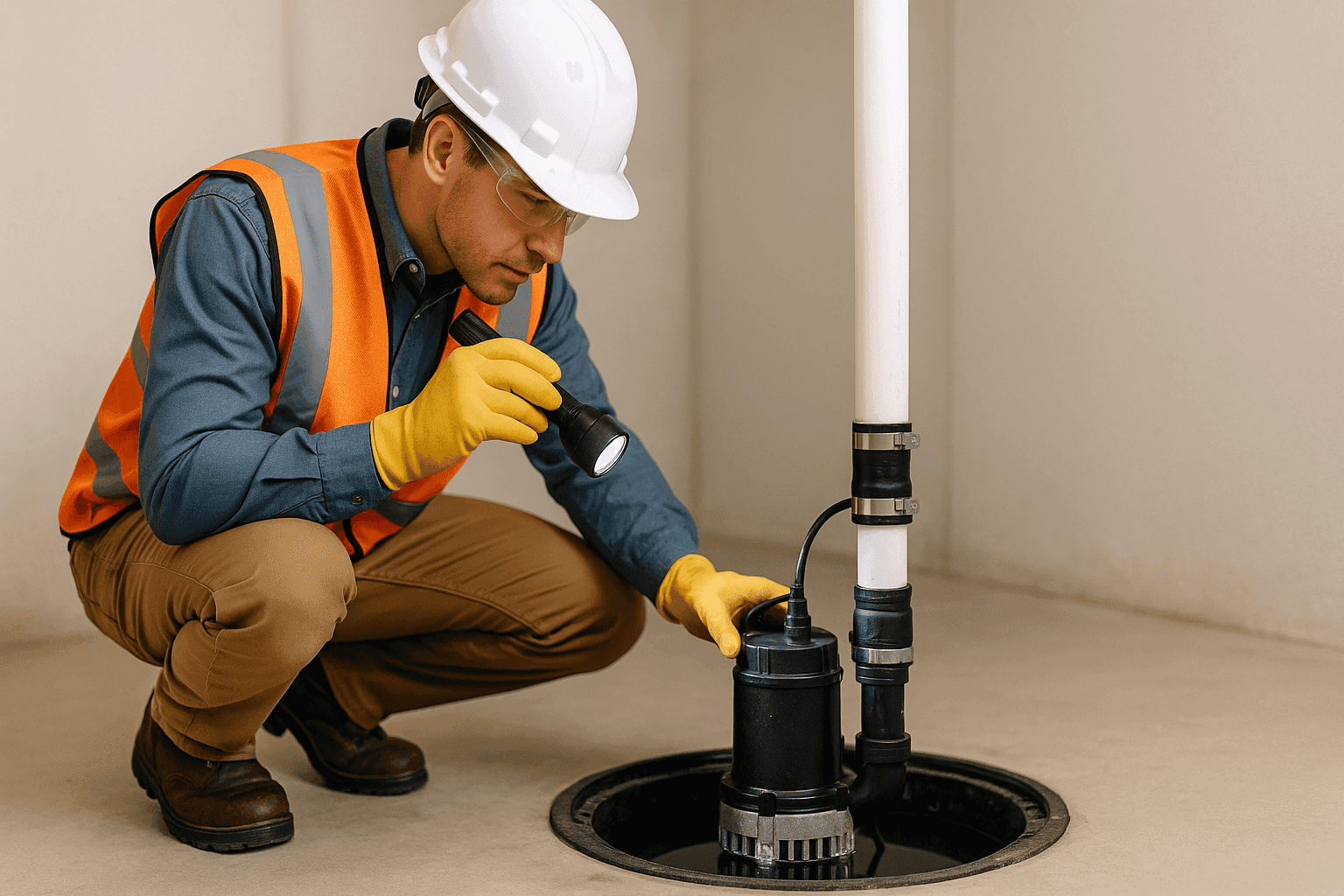
Basement flooding is more than a puddle. It’s a heart-dropping moment. Personal items, carpet, and even your foundation are at risk. In flood-prone neighborhoods, sump pumps aren’t a luxury—they’re the silent heroes under your feet, always working overtime.
At The Four Plumbing, we know emergency plumbing is about peace of mind. Our certified technicians have seen it all, from overwhelmed pumps during spring thaws to sudden failures in the middle of a midnight storm. Let’s walk through the essentials of sump pump maintenance and what to watch for, so you’re never caught off guard.
What is a Sump Pump? 🛠️
A sump pump is your home’s bouncer. It sits in a pit (the “sump”) at the lowest point in your basement or crawl space. When water builds up from rain, melting snow, or rising groundwater, the pump springs into action, pushing water outside—far away from your home’s foundation.
These pumps are especially critical in regions with heavy spring rains, rapid snowmelt, or even just a high water table. The U.S. Federal Emergency Management Agency (FEMA) recommends regular sump pump checks for any property in a flood risk zone.
Signs of Trouble
A working sump pump is almost invisible—until it isn’t. Watch for these warning bells:
- Unusual noises (grinding, rattling, or clanging)
- Pump is constantly running, even when dry
- Water lingers in the pit
- Musty smells or visible mold nearby
- Visible rust or corrosion on the pump or float
- The pump doesn’t turn on during a test
If you spot any of these, don’t wait. Water moves fast, and so should you.
DIY Maintenance Steps
A little elbow grease goes a long way. With the right routine, you can spot issues before they become emergencies.
1. Test Run the Pump
- Pour a bucket of water into the sump pit.
- Watch to see if the float rises and the pump kicks on.
- Water should drain quickly. If not, something’s wrong.
2. Clean the Pit
- Unplug the pump first, always.
- Remove debris, silt, and any gunk from the pit.
- Check that the discharge pipe outside is clear—no leaves, mud, or ice blocking the flow.
3. Inspect the Float
- The float is the puppet master—it tells the pump when to run.
- Make sure it moves freely and isn’t tangled or stuck.
4. Check the Power
- Plug into a grounded outlet (never an extension cord).
- Consider a battery backup, especially if your area loses power during storms.
5. Give It a Once-Over
- Look for visible rust, cracks, or worn parts.
- Double-check the discharge line outside, ensuring water flows away from your foundation.
When to Replace
Even the best sump pumps aren’t immortal. Most last 7–10 years, but heavy use or lack of maintenance can shorten that span. Here’s when to start shopping for a new one:
- Frequent cycling but poor water removal
- Repeated breakdowns
- Motor feels hot or smells burnt
- Major corrosion or visible cracks
If your pump is older than a decade or showing these signs, it’s time to swap it out—better now than during a downpour.
Professional Inspection Benefits
Why call in the pros? Certified technicians from The Four Plumbing bring specialized tools, sharp eyes, and years of experience. Here’s what you get with a professional inspection:
- Full electrical and mechanical checkup
- Discharge and backflow valve inspection (following local code)
- Leak and corrosion detection
- Advice on battery backups, alarm systems, or flood sensors
- Recommendations for upgrades (like water-powered backups for homes prone to power outages)
We stand behind our repairs with a clear warranty. No guesswork. Just solid, reliable service—every time.
Downloadable Sump Pump Maintenance Checklist
Stay prepared. Print or save our simple checklist for your next maintenance day:
Sump Pump Maintenance Checklist
- [ ] Test run with a bucket of water
- [ ] Clean out the pit
- [ ] Inspect and move the float
- [ ] Check discharge pipe and outdoor drainage
- [ ] Examine for rust, cracks, or loose wires
- [ ] Confirm reliable power source and consider backup
- [ ] Note the installation date (replace after 7–10 years)
- [ ] Schedule professional inspection annually
Regional Flooding Patterns
Flood risks aren’t the same everywhere. In the Midwest, spring thaws can overwhelm even new pumps. Coastal areas face hurricanes and heavy rains. Urban basements deal with flash floods after clogged city drains. Wherever you are, know your local weather threats and plan maintenance before the wet season hits.
Practical Tips to Reduce Flood Risk
- Keep gutters and downspouts clear, directing water at least 10 feet from your foundation.
- Grade soil away from your home.
- Don’t store valuables directly on the basement floor.
- Install water alarms for early warnings.
The American Society of Home Inspectors (ASHI) and local building authorities recommend annual sump pump checkups—so don’t skip them.
When to Call a Pro
Some jobs are DIY-friendly. But if you see signs of trouble, smell burning, or hear the pump running non-stop, it’s time for emergency plumbing help. Our team is ready for urgent sump pump repair near you—24/7, rain or shine.
FAQ
How often should I test my sump pump?
At least every three months, and before major storms or thaw periods.
Can I install a sump pump myself?
Basic swaps are possible for handy homeowners, but electrical and plumbing codes vary. For new installations or complex repairs, call a certified technician.
Is a battery backup necessary?
If your area loses power during storms, absolutely. A backup keeps water moving even when the lights go out.
What if my sump pump smells bad?
This could mean standing water, mold, or a failing pump. Clean the pit and call a pro if odors persist.
Local and Seasonal Considerations
Every region has its own rhythm of rain, snow, and flood risk. Mark your calendar for yearly sump pump checkups in late winter or early spring—before the melt and storms hit. If your area is prone to sudden downpours, consider twice-yearly inspections for extra peace of mind.
If you’re worried about your sump pump—or just want to be sure it’s up to the task—don’t wait until the water’s rising. Certified, reliable, and ready to help, The Four Plumbing is just a call away.
Call The Four Plumbing now — or reach us anytime at 888-884-8551 .