Sink Repair Solutions: Leaks, Clogs & Faucet Problems
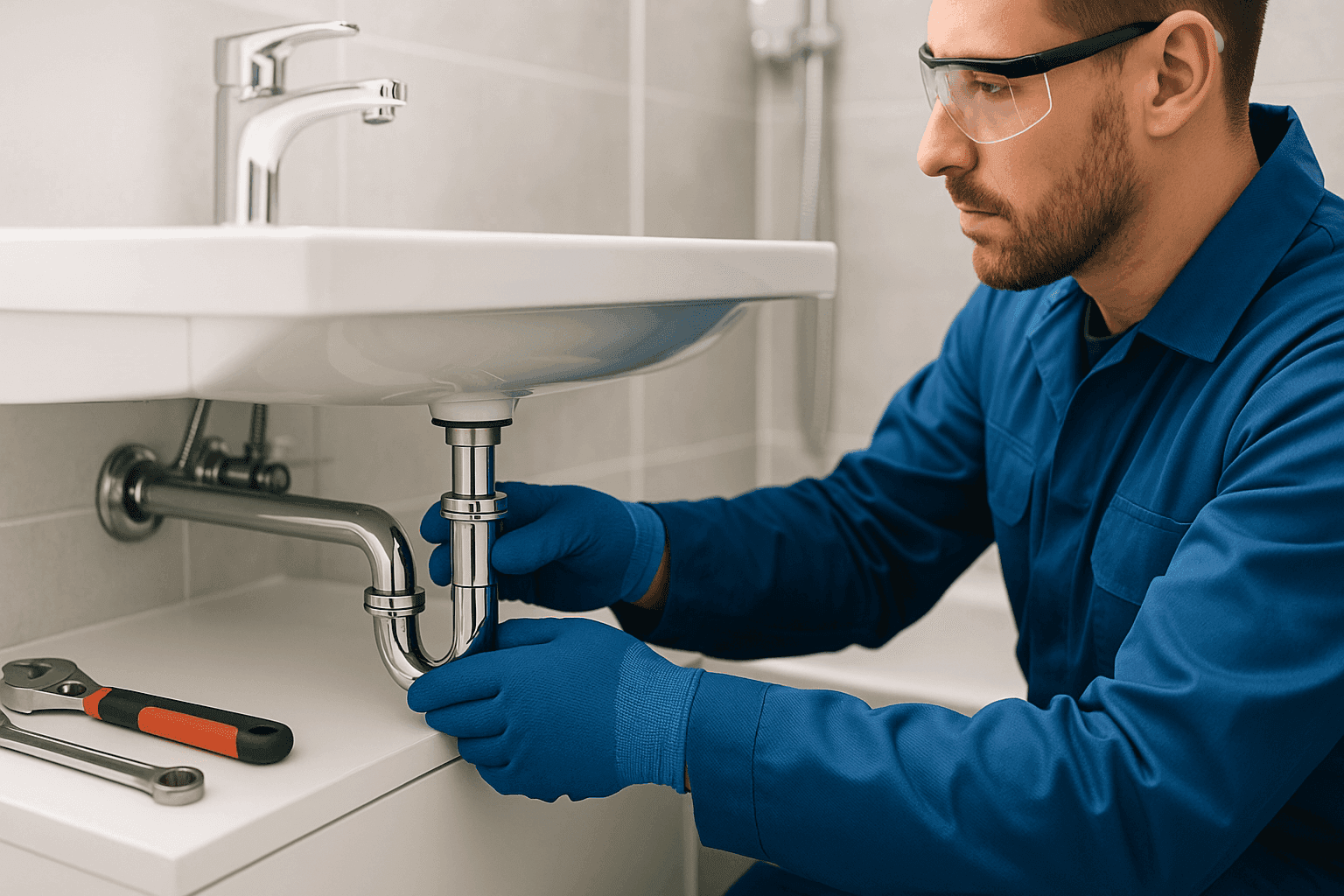
Sinks are like the stagehands of your kitchen or bathroom—quiet, behind the scenes, but absolutely crucial when the spotlight hits. But when a leak streaks across the cabinet or a drain stubbornly refuses to empty, suddenly every eye is on that humble basin.
At The Four Plumbing, we know these problems don’t wait for convenient times. Whether you’re a homeowner mopping up puddles or a property manager juggling code compliance, reliable sink repair keeps your space safe, sanitary, and open for business.
Common Sink Problems
It starts with a drip. Or a gurgle. Or maybe a handle that spins like a windmill. Here are the issues we most often see (and fix) in residential and commercial sinks:
- Leaks: Under the sink, around the faucet base, or at the supply lines.
- Clogs: Slow drains, standing water, or bubbling sounds from pipes.
- Faucet Problems: Low pressure, erratic temperature, or stuck handles.
- Odors: Musty or rotten smells hinting at buildup or hidden leaks.
- Water Stains: Signs of a slow leak or splash-over.
Whether you’re running a busy restaurant kitchen or just trying to brush your teeth in peace, these sink problems disrupt routines—and can lead to bigger headaches like water damage or mold.
Quick Safety Checklist 🛑
Before you grab a wrench or reach under the sink, run through this simple safety checklist:
- Shut off the water at the nearest valve.
- Clear out cleaning chemicals or supplies from under the sink.
- Unplug any nearby appliances—especially in commercial kitchens or ADA-compliant restrooms.
- Wear gloves to protect from bacteria or sharp objects.
- Check for electrical outlets—especially near bathroom vanities.
For commercial spaces, double-check that repairs won’t block accessible paths or violate ADA clearances (42" approach, 27" knee space recommended per ADA Standards).
DIY vs. Call a Pro
Some sink hiccups are like a loose shoelace—easy to fix if you know the trick. Others are more like a frayed rope, ready to snap if pulled the wrong way. Here’s how to decide:
When DIY Makes Sense
- Minor clogs: Plunge gently, or use a plastic drain snake.
- Loose connections: Tighten by hand or with adjustable pliers.
- Aerator cleaning: Unscrew the faucet tip, rinse out debris.
When to Call The Four Plumbing
- Persistent leaks: Especially from hidden pipes or joints.
- Recurring clogs: Suggest a deeper blockage or pipe issue.
- Faucet failures: Broken handles, low water pressure, or temperature swings.
- Water stains or mold: May signal leaking behind walls or cabinetry.
- Backflow or cross-connection concerns: Commercial and ADA bathrooms must comply with backflow prevention codes (see references to Uniform Plumbing Code).
If you ever smell gas or suspect a supply line issue, step away and call emergency plumbing services immediately.
What Pros Do On Arrival
When The Four Plumbing team arrives, it’s not just about tightening bolts. Here’s what to expect:
- Assessment: We inspect visible and hidden areas—cabinet interiors, shutoff valves, supply lines.
- Leak Detection: Using dye, moisture meters, or thermal cameras, we trace even the smallest leak.
- Clog Removal: Commercial-grade augers (not just plungers) clear blockages from traps to main lines.
- Fixture Testing: Every faucet, drain, and shutoff gets checked for compliance and reliability.
- Code Compliance Review: For businesses, we ensure repairs meet ADA and local health codes—covering knee clearance, handle height, anti-scald devices, and backflow prevention.
Our goal? A sink that works like new, with no surprises lurking below.
Prevention & Maintenance 🧰
A little care goes a long way. Here’s how to keep your sink running smoothly—at home or in a busy commercial restroom:
- Monthly flushes: Run hot water and a mild cleaner (baking soda + vinegar) down each drain.
- Check supply lines: Inspect for bulges, rust, or wet spots under the sink.
- Clean aerators: Mineral buildup causes low pressure—soak faucet tips in vinegar yearly.
- Avoid grease and coffee grounds: These clog pipes faster than you’d think.
- Install strainers: Catch hair, food, and debris before it reaches the trap.
- Schedule backflow testing: Essential for commercial and multi-unit properties (per International Plumbing Code).
Regular maintenance saves money and headaches. For businesses, keep maintenance logs to track repairs and avoid violations.
Costs & Time Factors
Sink repairs are rarely as simple as they look—but they don’t have to drain your wallet or your patience. Here’s what affects cost and timing:
- Scope of repair: A quick fix for a loose faucet costs less than replacing corroded pipes.
- Parts needed: Specialty fixtures or ADA-compliant hardware may add to the bill.
- Accessibility: Hard-to-reach plumbing (behind walls, in commercial counters) takes longer.
- Emergency plumbing: After-hours or urgent repairs may have added fees.
- Permitting: Some commercial repairs require city inspection, which can add days.
Most residential sink repairs take 1–2 hours. Commercial jobs, especially those involving compliance upgrades, may run longer.
When It’s an Emergency 🚨
Some sink issues can wait for regular hours. Others can’t:
- Flooding or standing water: A burst supply line or failed shutoff can cause major water damage in minutes.
- Sewage backup: Any sign of waste water coming up through the sink is a health hazard.
- Gas or chemical smell: Shut off water, evacuate the area, and call your utility or The Four Plumbing.
- No water flow: In restaurants or medical offices, this can halt operations and trigger code violations.
In these cases, don’t wait. Emergency plumbing means stopping damage before it spreads.
FAQ
How do I know if a leak is serious?
If you see water pooling, notice mold, or hear dripping at night, call for a professional inspection. Small leaks often hide bigger issues.
Why does my sink smell bad?
Bacteria, trapped food, or dry P-traps can all cause odors. Flush with vinegar and hot water. If the smell persists, check for hidden leaks or call a plumber.
Are there special requirements for ADA or commercial sinks?
Yes. Sinks must provide knee clearance, accessible handles, anti-scald protection, and backflow prevention. Check ADA Standards and local health codes for details.
Can I fix a slow drain myself?
Sometimes. Try a plunger or a plastic drain snake. If the problem returns, the clog may be deeper—requiring professional drain cleaning.
Local and Seasonal Considerations
Climate matters. In cold regions, pipes under sinks can freeze and burst—insulate exposed plumbing before winter. In humid areas, leaks can lead to rapid mold growth, so regular inspection is key.
For commercial buildings, local health departments may require annual backflow testing or specific fixture types. Always check city or county guidelines, especially for restaurants, schools, or medical facilities.
References
- ADA Standards for Accessible Design—U.S. Department of Justice
- Uniform Plumbing Code—International Association of Plumbing and Mechanical Officials
- International Plumbing Code—International Code Council
Ready for a sink that just works—no drama, no drips?
Call The Four Plumbing now — or reach us anytime at 888-884-8551 .