Top Signs Your Sewer Line Needs Repair (And What to Do)
Your sewer line is an unsung hero. It whisks away waste so you never have to think twice—until something goes wrong. A small crack, a stubborn root, or a sag beneath your yard might sound minor, but when sewer trouble bubbles up, it can turn your daily routine upside down.
At The Four Plumbing, we know how quickly a hidden sewer line issue can become an emergency. Whether you’re a homeowner or run a busy business, ignoring the warning signs can lead to costly messes and health hazards. Let's walk through what you need to know—so you can act fast, keep your property safe, and avoid bigger headaches.
What Causes Sewer Line Damage? 🌳
Sewer lines are tough, but not invincible. Over time, they face a gauntlet of threats. Here’s what most commonly puts pipes in peril:
- Tree Roots: In older neighborhoods, giant trees hunt for moisture. Their roots sneak into tiny cracks and grow fast, cracking or even crushing your pipes.
- Aging Materials: Cast iron and clay pipes, common in many homes built before 1980, decay or corrode. Plastic pipes can warp or weaken with age and soil movement.
- Ground Shifting: Freezes, thaws, or nearby construction can shift the earth, bending or breaking pipes.
- Grease & Wipes: Cooking grease and so-called “flushable” wipes build up and block lines—causing backups, slow drains, and sometimes total failure.
- Heavy Rain & Flooding: Intense storms can overwhelm sewer systems, especially if your sump pump or backflow prevention isn’t working right.
Top Warning Signs Your Sewer Line Needs Attention
Your plumbing will try to warn you if something’s wrong. Here are the most common red flags:
1. Persistent Sewage Odors
If your home or business starts to smell like rotten eggs or musty drains—even when everything looks clean—your main sewer line could be leaking. These odors aren’t just unpleasant; they can mean health risks.
2. Slow Drains in Multiple Fixtures
One clogged sink? Probably a local problem. But if your toilets, tubs, and sinks all start draining slowly, the main line may be blocked.
3. Soggy or Sunken Spots in the Yard
If you notice patches of grass that look extra green or feel spongy underfoot, check your sewer line. Leaks underground can saturate the soil, sometimes creating small sinkholes or puddles.
4. Gurgling Sounds and Backups
Strange noises from your drains or bubbling in the toilet when you run the sink? Those sounds mean air is trapped somewhere it shouldn’t be. If you see water backing up in the shower or basement, act fast.
5. Unexplained Mold or Water Damage
A cracked sewer line can leak moisture into walls or floors, leading to mold or warped flooring—especially in basements or lower levels.

DIY Checks vs. Professional Diagnosis 🕵️
Tempted to tackle the problem yourself? Here’s what you can check—and where it’s best to call emergency plumbing pros like The Four Plumbing.
What You Can Do
- Check Multiple Drains. If only one is slow, try a plunger. If several are affected, the problem runs deeper.
- Look for Soggy Spots. Walk your yard and note any unusually wet or sunken areas.
- Listen & Sniff. Trust your senses. Odd smells or gurgling noises are clues.
When to Call the Pros
Most sewer line problems hide underground—out of reach for a plunger or drain snake. That’s where specialized tools come in. Professional plumbers use:
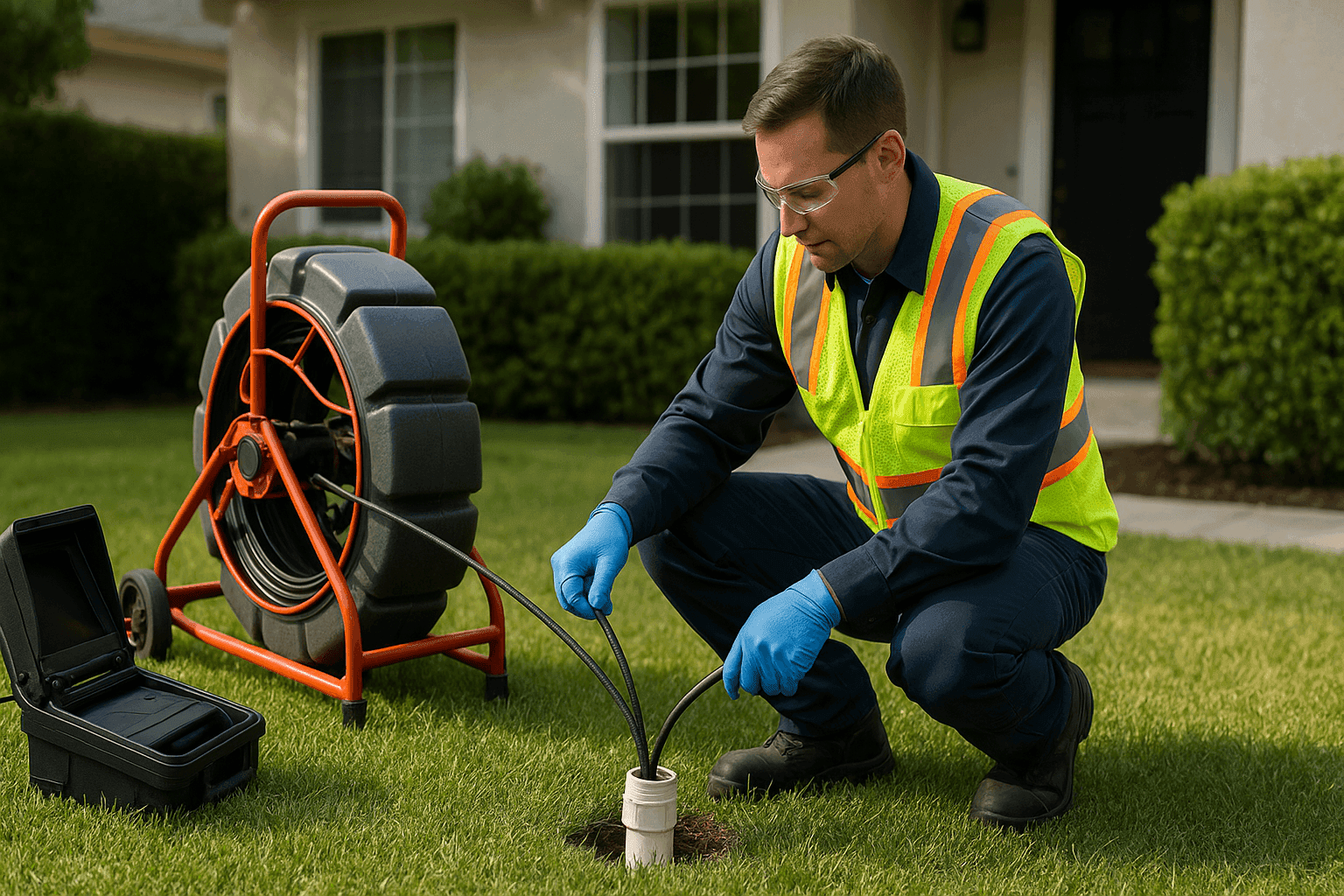
- Camera Inspections: We send a waterproof camera down the line, showing real-time video of blockages, cracks, and root intrusions.
- Smoke Testing: Harmless, visible smoke is used to find leaks and illegal connections.
- Pressure Testing: Used for gas lines and sometimes to check for hidden leaks.
If you suspect a sewer main issue, don’t guess. A misstep could worsen damage or risk exposure to raw sewage.
Repair Options: How Sewer Lines Get Fixed
Every property and every problem is unique. Here’s a look at the most common repair methods:
Trenchless Sewer Repair
- Pipe Lining (Cured-in-Place Pipe): A flexible liner is inserted and cured inside your existing pipe, sealing cracks without digging up your yard.
- Pipe Bursting: The old pipe is broken apart as a new one is pulled through, requiring just a couple of small access holes.
Trenchless methods are less disruptive—ideal for landscaped yards, driveways, or commercial properties.
Traditional Excavation
Sometimes, if pipes are badly collapsed or misaligned, the only option is to dig. This exposes the entire line for replacement. It’s more invasive but sometimes necessary.
Spot Repairs
If damage is limited to a small section, we can dig and repair just that segment.
Camera Inspections: The Game Changer
A before-and-after camera inspection is standard at The Four Plumbing. You’ll see the problem and the fix—no guesswork.
Preventative Tips to Keep Sewer Lines Healthy 🛡️
Want to avoid emergency plumbing calls? Here’s how you can help your sewer line last:
- Don’t Flush Wipes or Grease. Even if the label says “flushable,” it can clog pipes.
- Install Backflow Prevention. Especially important in flood-prone areas.
- Schedule Routine Inspections. A yearly camera inspection can reveal hidden issues before they become disasters.
- Trim Trees and Roots. If you live in an older neighborhood, keep roots at bay.
- Fix Slow Drains Early. Don’t wait for a total backup.
For more, see guidelines from the EPA and local plumbing codes for best practices.
Local & Seasonal Considerations
If your property sits in a mature neighborhood, those beautiful old trees can be a double-edged sword. Roots are the number one cause of main sewer line problems in established communities. Freezing winters? Pipes can crack or shift with the freeze-thaw cycle. After heavy rain, watch for slow drains or unexpected puddles.
Repair Costs & Time Factors
No two sewer repairs are the same. Here’s what affects the bottom line:
- Severity of Damage: Small cracks or root intrusions cost less to fix than collapsed or heavily corroded pipes.
- Repair Method: Trenchless is often faster and less disruptive but can be more expensive up front.
- Length & Depth of Pipe: Longer, deeper lines cost more to reach and repair.
- Local Codes & Permits: Some work requires city inspection or special permitting.
Most trenchless jobs are done in a day. Excavation can take several days, especially if concrete or landscaping is involved.
When It’s an Emergency 🆘
If you see water backing up into your home, raw sewage anywhere indoors, or your whole plumbing system stops draining, it’s time for emergency plumbing help. Health risks and property damage can spiral fast. The Four Plumbing is on call 24/7 for just these situations.
FAQ: Sewer Line Repair
How often should sewer lines be inspected?
We recommend a camera inspection every 1–2 years for older homes, or if you notice any warning signs.
Can tree roots really break pipes?
Absolutely. Roots seek out water and can squeeze through the tiniest crack, eventually causing major blockages or crush damage.
Will my yard be destroyed during repair?
Not always. Trenchless repairs need just a couple of access holes, leaving most landscaping untouched. Excavation is more invasive but sometimes unavoidable.
What if I rent or manage commercial property?
All the same risks apply, but stakes are often higher. Routine inspections and preventative maintenance are especially important for businesses.
Final Thoughts: Don’t Wait Until It’s Too Late
Sewer line problems rarely fix themselves. If you spot the warning signs, act before a minor issue becomes a major cleanup. At The Four Plumbing, we combine the latest technology with decades of know-how to keep your pipes flowing—and your routine running smoothly.
Call The Four Plumbing now — or reach us anytime at 888-884-8551 .