Sewer Line Repair: Warning Signs, Process & Cost Breakdown
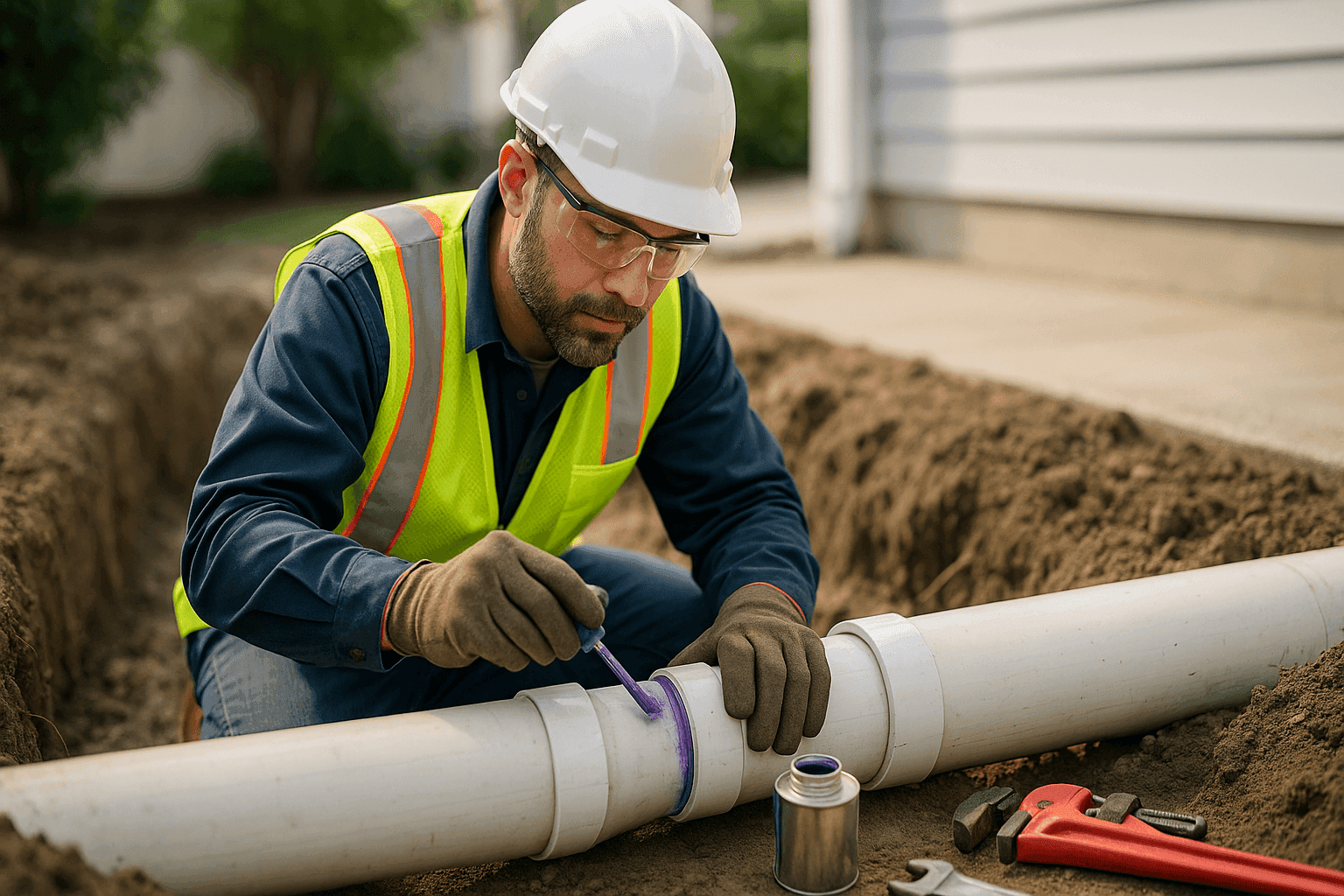
Is your home or business starting to smell… off? Maybe water’s backing up in the basement, or you’ve noticed soggy patches in the yard. Sewer line trouble doesn’t wait for a convenient moment. It’s messy, urgent, and can turn a normal day into a plumbing nightmare.
At The Four Plumbing, we know sewer line problems don’t just disrupt comfort. They put health, safety, and property value at risk—sometimes fast. Whether you manage an apartment building, run a busy café, or just want peace of mind at home, it pays to know the signs and solutions before things get out of hand.
Sewer Damage Signs: What to Watch For 🚨
A sewer line rarely fails all at once. It starts with hints—whispers that something below ground isn’t right. Miss these, and you risk bigger headaches (and bills). Here’s what to keep an eye—and nose—on:
- Slow or Gurgling Drains
When water in sinks, tubs, or floor drains takes its sweet time disappearing, your sewer line might be struggling. - Frequent Toilet Backups
Toilets that bubble, overflow, or refuse to flush normally could signal a main line obstruction. - Patches of Soft, Lush Grass
Notice a patch of grass growing like it’s on steroids? Sewage leaks fertilize soil, making affected spots greener and softer. - Unpleasant Odors
That rotten egg or musty smell indoors or outside is a classic warning of escaping sewer gases. - Wet Spots, Mold, or Mildew
Moisture under carpets, in basements, or along foundations may mean a hidden leak. - Pest Problems
Rats and insects love easy access to food and moisture—sewer leaks attract them fast.
If you spot any of these signals, don’t ignore them. What seems minor could be the start of a major sewer line problem.
Repair Options: Trenchless vs. Excavation
Not all repairs are created equal. Technology has come a long way since the days of tearing up half your yard or parking lot. Let’s break down your main options:
Trenchless Sewer Line Repair
Imagine fixing a broken pipe without a backhoe chewing up your landscaping. That’s trenchless repair. Two main types:
- Pipe Lining (“Cured-in-Place Pipe” or CIPP)
A flexible liner coated with resin is pushed through your damaged pipe, then inflated and cured. It forms a hard, smooth “pipe within a pipe.” - Pipe Bursting
A new pipe is pulled through the old one, breaking apart the damaged pipe as it goes.
Pros:
- Minimal digging—just small access points.
- Usually faster, with less mess.
- Preserves landscaping, driveways, and sidewalks.
Cons:
- Not always possible—badly collapsed pipes or severe bellies may need excavation.
- Sometimes costs more upfront.
Traditional Excavation
The old-school approach. Crews dig down to expose the damaged section, cut out the bad pipe, and install new material.
Pros:
- Works for any damage, even total collapse.
- Lets plumbers inspect and replace large sections at once.
Cons:
- Disruptive. Expect torn-up grass, pavement, or flooring.
- Takes longer.
- Restoration costs (landscaping, concrete, etc.) add up.
How Do You Choose?
Key factors: pipe location, extent of damage, property type, and budget. Commercial sites with heavy traffic or valuable landscaping often prefer trenchless. Sometimes, though, excavation is the only real fix.
Cost Factors: What Affects Your Sewer Line Repair Bill? 💵
There’s no one-size-fits-all answer. Sewer line repair costs swing wide based on several factors:
Length and Depth of Pipe
Deeper pipes and longer damaged sections mean more labor and materials.
Repair Method
Trenchless repairs usually run higher per foot but save on restoration. Excavation is labor-intensive—especially under concrete, driveways, or mature trees.
Pipe Material and Condition
Clay, cast iron, or plastic each come with unique challenges. Severely corroded or collapsed pipes are tougher to fix.
Access and Location
Pipes under buildings, busy streets, or tight spaces increase complexity (and cost).
Permits and Code Compliance
Local codes may require extra inspections or upgrades (check the Uniform Plumbing Code or your local authority for specifics).
Typical Cost Ranges:
- Small spot repairs: lower end of the spectrum.
- Full line replacements or tough access: much higher.
- Emergency plumbing calls after hours? Expect a premium.
Budget tip: Get a detailed written quote and ask if restoration (landscaping, paving) is included.
Preventing Future Issues: Maintenance for Peace of Mind
A bit of prevention keeps emergencies at bay. Here’s how home and business owners can keep their sewer lines healthy:
- Don’t Flush Trouble
Only toilet paper and waste should go down toilets. Fats, wipes, feminine products, and paper towels clog pipes fast. - Grease Belongs in the Trash
Even with a garbage disposal, grease cools and hardens inside pipes. Pour cooled grease into a can, not the drain. - Plant Trees Wisely
Roots seek water. Keep trees and large shrubs away from sewer lines to avoid costly root intrusion. - Schedule Regular Inspections
Have a pro inspect your lines every few years, especially in older buildings. Sewer line inspection with cameras spots problems early. - Fix Small Leaks Promptly
Don’t ignore slow drains or minor leaks. Early repairs save money. - Know Your Water Pressure
Sudden drops in water pressure can signal leaks or blockages.
Reference: The EPA and local health departments recommend routine maintenance and quick repairs to avoid contamination and property damage.
When Is It an Emergency? ⏱️
Sometimes, “wait and see” isn’t an option. Call for emergency plumbing if:
- Sewage is backing up into toilets, tubs, or sinks.
- Multiple fixtures clog or overflow at once.
- Raw sewage is visible on your property.
- You smell strong sewer gas indoors—this can be a health hazard.
In commercial properties, fast response is critical to avoid business interruptions, code violations, and health risks.
Frequently Asked Questions
How long does sewer line repair take?
Simple spot repairs may be done in a day. Full replacements or complex trenchless jobs could take several days.
Will my insurance cover sewer line repair?
Sometimes—typically only if the damage is sudden and accidental. Wear and tear or old pipes are rarely covered. Check your policy.
What about permits or inspections?
Most cities require permits and inspections for sewer work. Professional plumbers handle this, ensuring everything meets code.
Can I prevent future clogs?
Yes! Watch what goes down your drains, schedule regular inspections, and address minor issues quickly to avoid bigger repairs.
Local & Seasonal Considerations 🏡
Climate and geography matter. In colder regions, freezing and thawing can crack underground pipes. Heavy rains may overwhelm older systems, causing backflow. Commercial properties with high usage (restaurants, gyms, multi-family buildings) see more wear and tear.
If your building is older, or you’re seeing recurring issues, consider a professional sewer line inspection. It’s like getting a checkup—catching small problems before they snowball.
Ready for Answers or Fast Help?
Sewer line problems can’t wait. Whether you’re a homeowner or a business manager, knowing the warning signs and repair options means you can act fast before disaster strikes.
Call The Four Plumbing now — or reach us anytime at 888-884-8551 .