Sewer Line Installation 101: Process, Costs & Red Flags
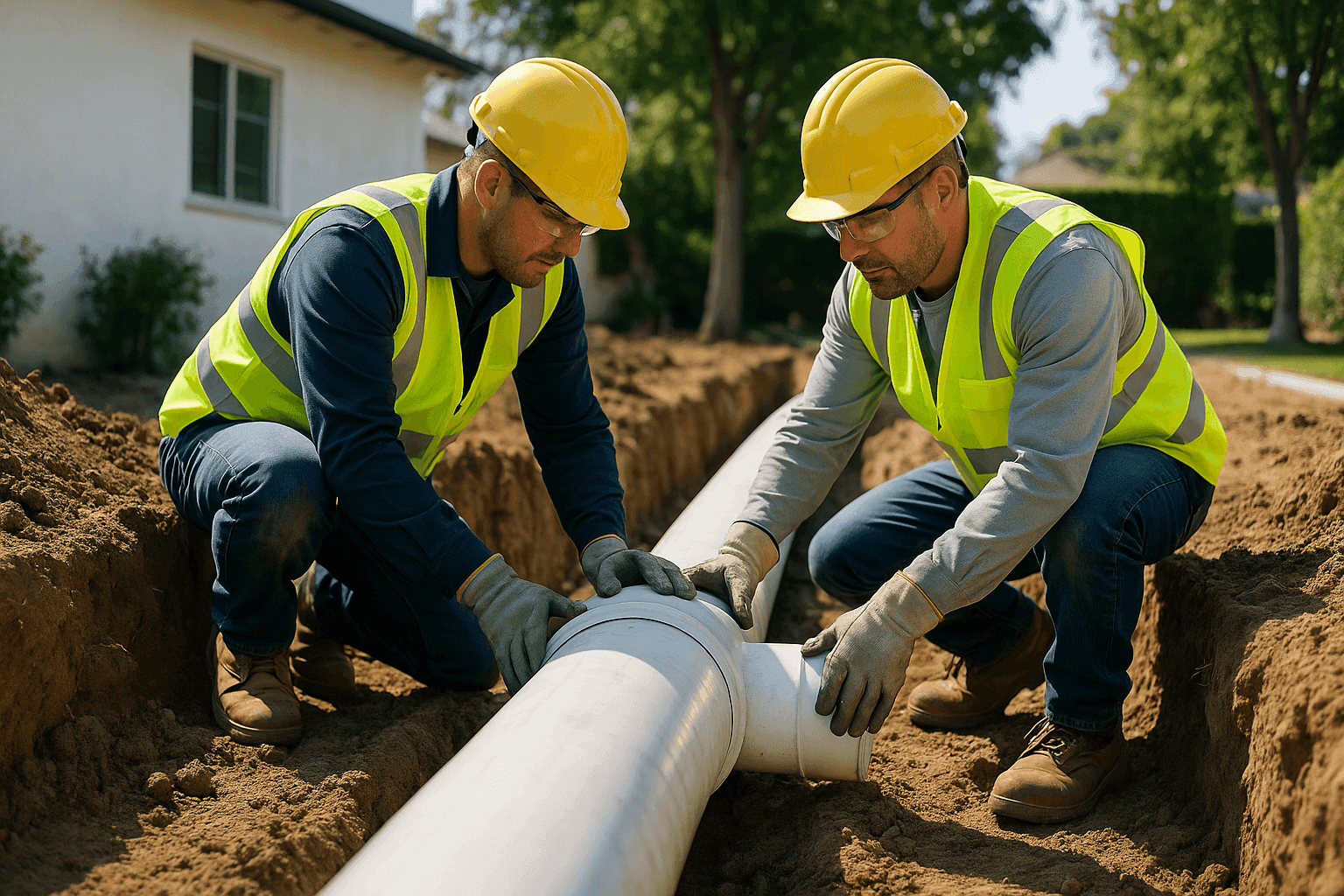
Your sewer line is like the main artery of your plumbing system. When it’s blocked, cracked, or past its prime, everything else suffers—fast. Whether you’re a homeowner facing recurring backups or a business owner planning a renovation, knowing how sewer line installation works can save you from costly headaches and unplanned emergencies.
At The Four Plumbing, we handle emergency plumbing situations day and night. We’ve seen it all: from tree roots turning pipes into spaghetti, to old clay lines crumbling beneath city streets. Here’s what you need to know before, during, and after a new sewer line goes in—no confusing jargon, just real talk.
When to Install a New Line 🚦
Most folks don’t think about their sewer line until something smells…off. But not every clog or backup means you need a replacement. Here are signs it’s time to consider a new line:
- Frequent Backups: If you’re reaching for the plunger more often, the problem might be deeper than your toilet.
- Slow Drains Throughout: Multiple drains slow at once? That’s a main line issue.
- Lush Lawn Patches: Greener grass over your sewer path can signal a leak.
- Mysterious Odors: Sewage smells inside or outside aren’t normal.
- Old Materials: Homes with pipes over 50 years old (especially clay or cast iron) are at risk for collapse or root invasion.
- Major Renovations: Adding bathrooms or expanding your building? Your old line might not handle the new load.
Ignoring these red flags could turn a fixable problem into an emergency plumbing call at 3 a.m.
The Sewer Line Installation Process
Replacing or installing a new sewer line isn’t just a dig-and-dump job. It’s a careful dance between safety codes, city permits, and the unique quirks of your property.
Step 1: Inspection & Planning
Like a detective on a case, your plumber starts with a camera inspection. This pinpoints breaks, blockages, or sags. You’ll get a clear picture—literally—of where the trouble lies.
Next comes mapping the route. Is your yard rocky? Does the line cross under driveways or sidewalks? Local soil type matters—a sandy lot means easier digging, while heavy clay or rocky ground can slow things down and bump up costs.
Step 2: Permits & Code Compliance
You can’t just start digging. Municipalities require permits and inspections at different stages. Plumbers follow strict codes set by the International Plumbing Code (IPC) and local building departments. This ensures your new line is safe, accessible, and won’t cause surprise issues later.
Step 3: Excavation
Think of excavation as surgery for your property. Sometimes it’s a narrow trench; other times, it’s a wide-open operation. In some cases, trenchless methods (like pipe bursting or lining) can minimize yard damage. Your plumber will recommend the best method for your situation.
Step 4: Pipe Installation
Materials matter. Today’s lines are usually made of PVC or HDPE—tough, smooth, and root-resistant. Proper slope is crucial; too flat and waste just sits, too steep and liquids outrun solids.
Step 5: Backfill & Restoration
Once the line is in, the trench is filled and your landscaping restored as much as possible. Final inspections ensure everything meets code before the job wraps up.
Cost Breakdown: What Affects Your Bill?
Sewer line installation isn’t one-price-fits-all. Several factors shape the cost:
- Length & Depth: Longer, deeper lines cost more to dig and install.
- Soil Conditions: Rocky, clay-heavy, or waterlogged soil can slow work and require special equipment.
- Obstacles: Trees, driveways, or old utility lines can mean extra labor.
- Type of Installation: Trenchless methods may save your landscaping but can be pricier upfront.
- Permits & Inspections: Required by law, these add to your total.
- Material: PVC is the industry standard, but special environments may need more robust materials.
For a ballpark, homeowners often spend several thousand dollars, while commercial projects can run higher. Always ask for a detailed written estimate.
Aftercare & Inspections
A new sewer line is an investment. Protect it with smart aftercare:
- Schedule Regular Inspections: Camera checks every 1–2 years catch small issues before they grow.
- Don’t Flush Trouble: Only human waste and toilet paper. Wipes, grease, and “flushable” products can all cause clogs.
- Watch Landscaping: Avoid planting trees or large shrubs over sewer paths—roots love pipes.
- Seasonal Checks: Freeze-thaw cycles can stress lines. In colder regions, inspect each spring and fall.
Local regulations may require periodic backflow testing or maintenance—especially for businesses. Check with your city’s building department or the Environmental Protection Agency (EPA) for current guidelines.
Red Flags: Warning Signs of Sewer Line Failure
Stay alert for trouble. Here’s what to watch for:
- Gurgling Drains
- Water Pooling in Yard
- Wet Foundation or Basement
- Sudden Drop in Water Pressure
- Sewage Backups
Notice any of these? Don’t wait. Call emergency plumbing services like The Four Plumbing—small problems can snowball fast.
Local Soil & Seasonal Considerations 🌱
Every property is different. In some areas, heavy clay soil retains water and can shift, stressing pipes. Sandy soil drains quickly but may erode around pipes. Frost depth matters too—lines must be buried below the freeze line to prevent winter bursts.
If you’re in a region with a high water table or frequent freezes, mention this to your plumber. They’ll factor it into the plan, choosing the right materials and depth to keep your system running year-round.
Tips for Residential and Commercial Properties
- Homeowners: Ask for before-and-after camera footage. It’s proof the job’s done right.
- Businesses: Schedule work during off-hours to minimize disruption.
- Both: Keep a record of repairs and installation details for insurance or future sales.
What to Expect: The Four Plumbing Approach
When you call us for sewer line installation or emergency plumbing, here’s what happens next:
- Prompt Assessment: We arrive with inspection tools—no guesswork.
- Clear Communication: We explain your options in plain English.
- Safety First: We follow all codes and obtain necessary permits.
- Respect for Property: We minimize disruption and clean up after ourselves.
We handle everything—from Sump Pump Repair near you, to leak detection, to full sewer line installations. You get peace of mind, day or night.
FAQ: Sewer Line Installation
Q: How long does a sewer line installation take?
A: Most residential jobs are finished in 1–3 days, but tricky sites or commercial jobs can take longer.
Q: Will my yard be destroyed?
A: We use trenchless methods when possible, but some digging is usually required. We restore your landscaping as much as possible.
Q: Do I need to be home during the work?
A: For most projects, yes—at least for part of the time. We’ll coordinate around your schedule.
Q: How often should I inspect my new line?
A: Every 1–2 years, or sooner if you notice slow drains or other warning signs.
Closing Thoughts
A new sewer line isn’t just a repair—it’s peace of mind, knowing your home or business is protected from costly, messy emergencies. Whether you need a full installation, a quick repair, or just a second opinion, The Four Plumbing is here to help.
Call The Four Plumbing now — or reach us anytime at 888-884-8551 .