Sewer Line Inspections: Why, When & What to Expect
Picture this: You wake up to water pooling on your basement floor. It’s not just an inconvenience—it’s a full-blown emergency plumbing nightmare. The culprit? A sewer line problem you never saw coming.
Sewer line issues don’t just appear overnight. They brew quietly, out of sight. Regular inspections from The Four Plumbing can make all the difference between a simple fix and a disaster that costs thousands.
Why Inspect Your Sewer Line? 🕵️
A home or business’s sewer line is like the body’s circulatory system. If something clogs the flow, trouble follows fast. Inspections help spot small problems—roots sneaking in, cracks forming, pipes sagging—before they turn into major headaches.
- Prevent property damage: Catching leaks or blockages early means less risk of water backing up through drains or flooding your property.
- Protect health: Sewer backups can introduce bacteria and mold, putting your family or employees at risk.
- Save money: Early repairs are almost always less expensive than emergency overhauls.
- Meet insurance and code requirements: Some policies and local codes require proof of regular inspection, especially for commercial sites.
If you’ve experienced slow drains, bad odors, lush patches of grass, or gurgling toilets, your sewer line could be waving a red flag.
Inspection Methods: How Pros See the Unseen 🔍
You can’t fix what you can’t see. That’s why The Four Plumbing uses advanced tools to look deep inside your pipes.
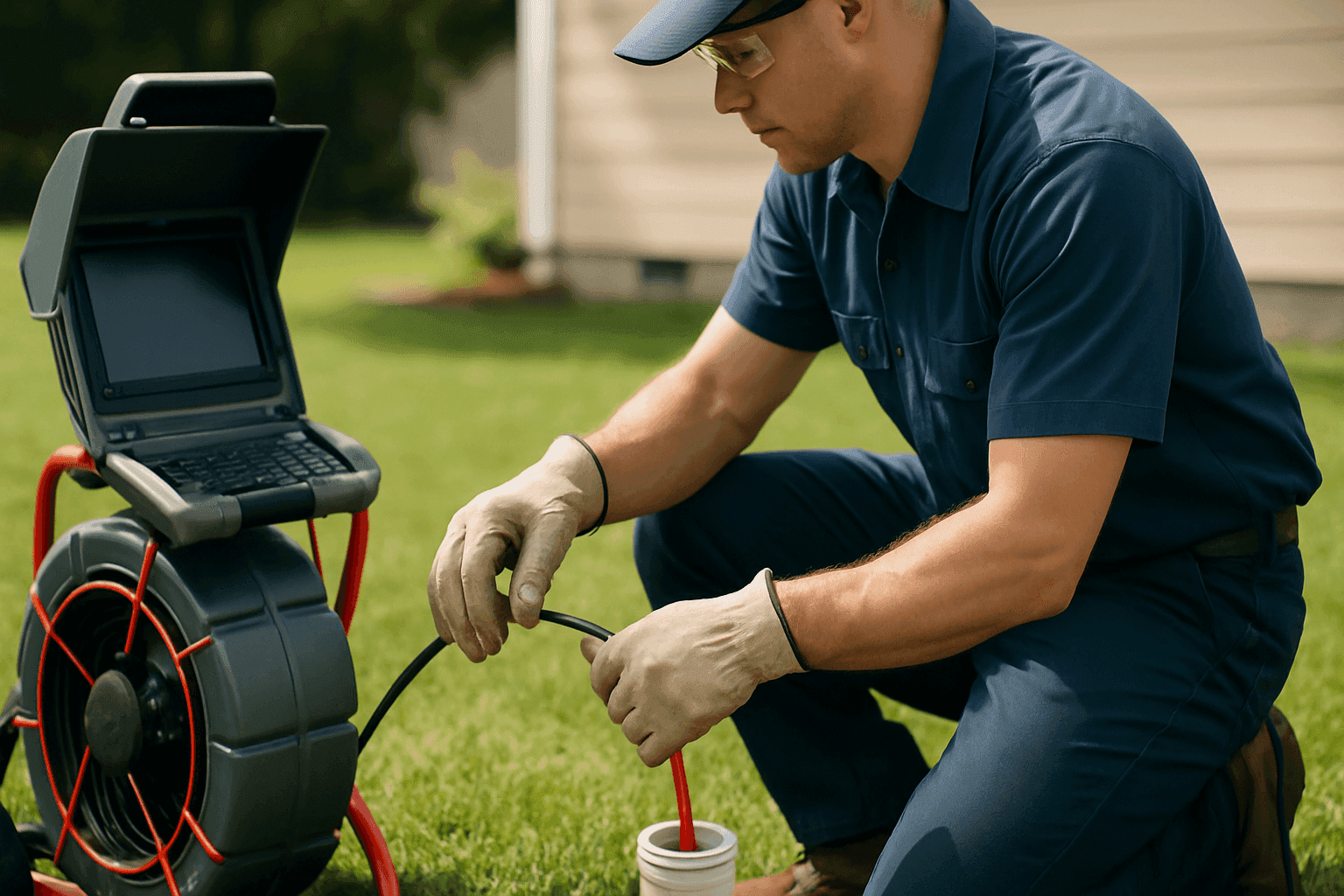
- Video Camera Inspections: A flexible, waterproof camera snakes through your pipes, sending live images to the technician. It’s like a medical endoscopy—but for your plumbing.
- Smoke Testing: Non-toxic smoke is pushed through the system to spot cracks or illegal connections based on where the smoke escapes.
- Dye Testing: Special dye helps trace leaks or illegal cross-connections—if the dye shows up where it shouldn’t, there’s a breach.
These methods are minimally invasive, and they provide clear, fast answers.
What Technicians Look For
Sewer line inspections aren’t just about finding blockages. Here’s what’s on the checklist:
- Tree Root Intrusion: Roots are drawn to moisture and can force their way into even the smallest cracks.
- Pipe Belly or Sagging: Sections of pipe that have sunk can collect debris and waste, leading to blockages.
- Cracks, Holes, or Corrosion: Especially in older clay or cast iron pipes.
- Obstructions: Grease, wipes, and foreign objects that shouldn’t be in the drain.
- Signs of Backflow or Cross-Contamination: Essential for safety, especially in commercial kitchens or multi-family buildings.
A thorough inspection provides a roadmap—no guesswork, just facts.
After Inspection Steps
Once the inspection wraps up, what’s next?
- Clear Report: You get a summary, often with images or video, showing what was found.
- Recommended Actions: Repairs, cleaning, or preventative steps based on what’s going on in your system.
- Cost and Timeline Outline: Honest, upfront information—no hidden surprises.
- Maintenance Tips: Guidance on preventing future issues, like regular drain cleaning or backflow prevention.
If repairs are needed, technicians from The Four Plumbing can move fast—whether it’s a simple clog or a full sewer line replacement.
Benefits: Preventing Major Repairs 🚨
Imagine catching a small leak before it turns your front yard into a muddy mess. Or spotting a cracked pipe before your business faces a shutdown. That’s the power of regular sewer line inspections.
- Avoid Emergency Plumbing Calls: The best emergency is the one that never happens.
- Protect Your Investment: Sewer repairs can be costly and disruptive. Inspections keep you ahead of trouble.
- Peace of Mind: Know your system is safe, clean, and up to code.
The National Association of Home Builders recommends sewer inspections every 1–2 years, especially in older properties or places with mature trees.
When Should You Schedule an Inspection?
Knowing when to act is just as important as knowing how.
- Buying or selling property: Don’t let hidden problems derail your plans.
- After major storms or flooding: Heavy rain can stress your system.
- If you notice slow drains, backups, or foul odors: These are classic warning signs.
- Before major renovations: Ensure your plumbing can handle the extra load.
For both residential and commercial properties, a proactive approach pays off.
Quick Safety Checklist
Make sure you're ready for a sewer line inspection:
- Clear access to main drains and cleanouts.
- Know the age and material of your pipes if possible.
- Inform your technician of any past plumbing problems.
- For businesses, check local code requirements (see the International Plumbing Code for details).
A little prep leads to smoother, faster service.
DIY vs. Call a Pro
Some things you can tackle yourself—like plunging a toilet or checking for visible leaks. But sewer line inspections aren’t one of them.
- DIY risks: Store-bought drain cameras rarely reach main lines or spot subtle cracks.
- Missed problems: Small issues can be easy to overlook without the right tools.
- Code/safety compliance: Professional inspections help you meet health and safety codes.
When in doubt, it’s smart to call in the pros for sewer line inspection, leak detection, or Sump Pump Repair near you.
What Pros Do On Arrival
Here’s what to expect when a technician from The Four Plumbing arrives:
- Review your concerns: Every property is different. We listen first.
- Access main cleanout: This is the gateway to your sewer line.
- Run camera or smoke/dye tests: The right method for your property and problem.
- Explain findings in plain language: No jargon, just clear answers.
- Offer next steps: From quick cleaning to complex repairs, you’ll know exactly where you stand.
Prevention & Maintenance Tips
An ounce of prevention beats a pound of repair. Try these tips:
- Avoid flushing wipes—even “flushable” ones.
- Keep trees with aggressive roots away from sewer lines.
- Schedule annual or biannual inspections, especially in older homes.
- Use drain screens to catch hair and debris.
- Address minor clogs early, before they escalate.
The Environmental Protection Agency (EPA) recommends backflow prevention and regular inspections to protect both public health and your property.
Costs & Time Factors
Costs for sewer line inspections vary by property size, access, and findings. Homeowners might expect a few hundred dollars for a camera inspection. Commercial sites may be higher due to complexity.
- Time: Most inspections take 1–2 hours.
- Follow-up: If repairs are needed, timelines depend on severity—minor clogs can be cleared the same day; pipe replacement may take longer.
Remember, early inspection is always cheaper than emergency plumbing repairs after a major backup.
When It’s an Emergency
Some sewer issues can’t wait.
Call The Four Plumbing right away if you notice:
- Sewage backing up into toilets, sinks, or bathtubs.
- Water pooling around floor drains or in your yard.
- Strong sewage odors indoors or out.
- Sudden drop in water pressure (could signal a break or blockage).
Fast action prevents property damage, health risks, and business interruptions.
FAQ
Q: How often should I inspect my sewer line?
A: Every 1–2 years is ideal, or any time you notice warning signs like slow drains or bad smells.
Q: Can tree roots really break pipes?
A: Absolutely. Roots are a leading cause of sewer line clogs and cracks, especially in older clay pipes.
Q: Is sewer inspection messy?
A: Not at all. Modern video inspections are minimally invasive and leave your property clean.
Q: Do I need a sewer inspection if my drains seem fine?
A: Yes—many problems develop out of sight and don’t cause symptoms until they’re severe.
Local & Seasonal Considerations 🌦️
Sewer issues are often tied to local weather and building trends.
- Heavy rain: Flooding can stress old or damaged pipes.
- Winter freezes: Cold snaps can crack pipes.
- Tree growth seasons: Spring and summer are prime times for roots to invade sewer lines.
If you’re in an area with older infrastructure, schedule inspections more often. Commercial kitchens may need more frequent checks to meet local health codes.
Call The Four Plumbing now — or reach us anytime at 888-884-8551 .