Repiping Your Home or Business: Signs, Process & What to Expect
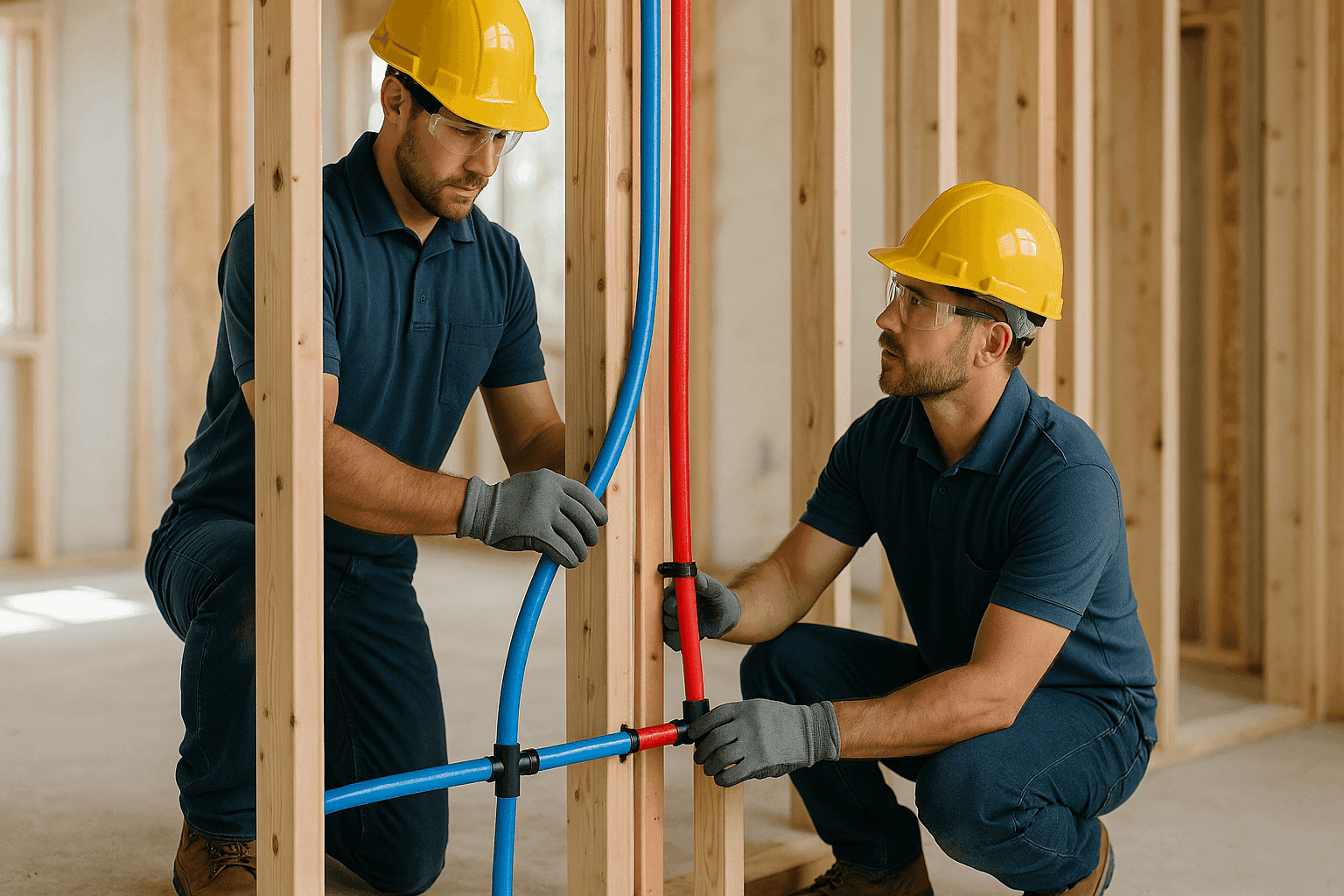
Is your building trying to tell you something? A drop in water pressure, rusty water, or endless leaks can feel like a faucet that won’t stop dripping—frustrating and impossible to ignore. Whether you manage a busy store or just want a peaceful home, plumbing problems can grind everything to a halt.
At The Four Plumbing, we know what’s at stake. Repiping isn’t just swapping out old pipes. It’s about protecting your property, your safety, and your peace of mind. Let’s walk through the signs, process, and what to expect—so you can plan, not panic, when the pipes start talking.
Signs You Need Repiping 🚨
Some plumbing issues are small potatoes—a quick fix and you’re done. But others? They’re like smoke before a fire. Here’s what to watch for:
- Frequent leaks: If you’re patching leaks like you’re playing whack-a-mole, your pipes may be telling you they’re past their prime.
- Rusty or discolored water: Brown, red, or yellow water is a red flag. It means your pipes are corroding from the inside out.
- Low water pressure: If your shower feels more like a drizzle than a downpour, mineral buildup or corrosion could be choking your pipes.
- Noisy pipes: Banging, rattling, or clanking when you turn on the tap? Pipes should be silent workhorses, not percussion instruments.
- Visible corrosion: Green stains, flaking, or dimpling on exposed pipes are like wrinkles—signs of age and wear.
If you spot two or more of these signs, it’s time to consider full or partial repiping. Left unchecked, these issues can snowball into water damage, mold, or even structural problems.
Repiping Step-by-Step: What Really Happens
Repiping isn’t as scary as it sounds. Think of it like replacing a tired old backbone—your plumbing system gets a fresh start. Here’s how the process unfolds:
1. Inspection and Planning
A licensed plumber (that’s us) checks your pipes—copper, galvanized steel, PEX, or PVC—and maps out the system. We look for code violations and weak spots. This stage is vital for both residential and commercial repiping.
2. Shutting Off Water & Prepping
Water is turned off to prevent flooding. Furniture and belongings are protected with drop cloths. Walls, ceilings, or floors are opened only where necessary.
3. Removing Old Pipes
Old or damaged pipes are carefully removed. Sometimes, only sections need replacing—especially in targeted repairs or upgrades.
4. Installing New Pipes
We install new, code-compliant piping. Most modern jobs use PEX or copper. Everything is secured, tested, and double-checked for leaks.
5. Restoring Walls & Cleanup
Drywall or other finishes are repaired. The goal: leave no trace behind—except for pipes that work like new.
6. Testing & Final Inspection
We restore water flow, check pressure, and inspect for leaks. A final walkthrough ensures everything’s up to local plumbing code, like the Uniform Plumbing Code (UPC) or International Plumbing Code (IPC).
Residential vs. Commercial Repiping
Homes and businesses have different plumbing personalities. The size, number of fixtures, and daily demands change the game.
Residential
- Focus: Kitchens, bathrooms, laundry, water heaters.
- Disruption: Usually 1–3 days, depending on home size.
- Materials: PEX or copper for most homes.
Commercial
- Focus: Multiple bathrooms, kitchens, industrial fixtures.
- Disruption: Can be staged for off-hours or weekends to minimize business impact.
- Special needs: Code compliance, accessibility, fire safety, and sometimes backflow prevention.
For both, The Four Plumbing follows all state and local codes, including ADA and health department rules for commercial spaces.
Aftercare & Upgrades
Repiping is a fresh start. But it’s also a chance to level up:
- Water Filtration: Add a system for cleaner, safer water.
- Pressure Balancing: Fix those wild swings in water pressure.
- Fixture Upgrades: Swap old faucets, sinks, or toilets for water-saving models.
- Gas Line Safety: If your repiping includes gas lines, we perform gas safety checks per the National Fuel Gas Code.
After your repipe, keep an eye on your water bill and periodically check for drips. Schedule annual preventative maintenance for peace of mind.
Code Compliance & Warranty
Every repiping project must meet local and national plumbing codes. This isn’t just paperwork—it’s your protection against future problems and fines. Our work is always up to code, and we’ll provide documentation for your records.
Ask about manufacturer warranties on new pipe materials. Most PEX and copper come with strong coverage from the source.
Costs & Time Factors
Repiping isn’t one-size-fits-all. Costs depend on:
- Pipe material (PEX is often more affordable than copper)
- Size and age of your building
- Number of bathrooms, kitchens, or fixtures
- Accessibility (easy-to-reach pipes cost less to replace)
- Local permit fees
Time range: Most homes: 1–3 days. Larger commercial properties: up to a week (with work often scheduled for off-peak hours).
Budget for unexpected discoveries—old plumbing can hide surprises behind the walls.
What to Expect During Repiping
Repiping isn’t exactly a walk in the park, but it shouldn’t feel like a tornado either. Here’s what you’ll experience:
- Water will be off during work hours (usually 6–8 hours per day).
- Some walls or ceilings will need to be opened, but only where necessary.
- Expect some dust and noise, though pros keep it to a minimum.
- Cleanup and restoration are included—your space will look like home again.
Emergency Plumbing & Repiping Scenarios
Sometimes repiping can’t wait. Burst pipes, major leaks, or sewage backups mean you need emergency plumbing—fast. If water is pooling, walls are wet, or you smell mold, call for help immediately. Don’t wait until business hours.
Sump Pump Repair near you, Leak Detection, and Pipe Repair are all part of our emergency plumbing toolkit. We’ll stop the damage and plan the next steps.
Practical Tips Before & After Repiping
- Move valuables and fragile items away from work areas.
- Plan for water shutdowns—fill buckets for flushing and handwashing.
- After repiping, run all faucets for several minutes to clear any debris.
- Check your water meter and bill for unexpected usage.
Refer to the EPA’s guidelines on drinking water systems for more on safe plumbing materials and maintenance.
FAQ: Repiping
Q: How do I know if my property needs full or partial repiping?
A: If leaks are isolated to one area, partial may work. Multiple leaks across different zones, low pressure, or rusty water often mean a full repipe is needed.
Q: Can I stay in my home or run my business during repiping?
A: Most of the time, yes. Water will be off during the day, but overnight you’ll have access. Commercial jobs can be scheduled for off-hours.
Q: Does repiping increase property value?
A: Absolutely. New pipes mean fewer problems, lower insurance risks, and better water quality.
Q: Is PEX safe for drinking water?
A: Yes. PEX is approved by national and local codes for potable water and is widely used in modern plumbing.
Local & Seasonal Considerations 🌦️
If you’re in a region with hard winters, old pipes are at higher risk for freeze-related bursts. In older neighborhoods, original pipes may be decades past their expected lifespan.
Planning a renovation? It’s smart to consider repiping at the same time—saving time, money, and future headaches.
Ready to Plan Your Repiping Project?
If you’re seeing leaks, rusty water, or just want to avoid a plumbing surprise, The Four Plumbing is here—day or night. We handle every stage, from emergency plumbing to code-compliant installation, for homes and businesses large and small.
Call The Four Plumbing now — or reach us anytime at 888-884-8551 .