Preventing Plumbing Disasters: Essential Maintenance Tips for Homeowners and Small Business Owners
Plumbing disasters rarely announce themselves. One day, everything’s flowing fine. The next, you’re ankle-deep in water, racing to shut off the main valve. For homeowners and small business owners, these moments can mean lost time, money, and peace of mind.
At The Four Plumbing, we’ve seen how a little routine care can make the difference between smooth sailing and a full-blown emergency. Let’s break down what you need to know to keep your plumbing running strong—and your stress levels low.
Why Plumbing Disasters Happen
Think of your plumbing like the circulatory system of your building. When it’s healthy, water moves effortlessly where it’s needed. But even a tiny blockage or leak can throw everything off balance. Here are some of the most common culprits behind plumbing emergencies:
- Clogged Drains: Hair, grease, food scraps, and foreign objects build up over time, choking pipes and causing backups.
- Hidden Leaks: Small drips can slowly erode pipes, floors, and walls—often out of sight until serious damage is done.
- Pipe Damage: Old, corroded, or frozen pipes can crack and burst, especially during cold snaps or heat waves.
- Worn Fixtures: Faucets, toilets, and water heaters all have moving parts that wear out, leading to leaks or breakdowns.
- Neglected Maintenance: Skipping routine checks is like ignoring the oil light in your car—trouble is only a matter of time.
Early detection and regular care are your best defense. Let’s look at the most important places to keep an eye on.
Key Plumbing Components to Inspect Regularly 🛠️
A quick monthly check can help you spot trouble before it spirals. Here’s what deserves your attention:
Drains
- Look for: Slow draining sinks, gurgling noises, or foul odors.
- Tip: Use strainers to catch hair and debris. Avoid pouring grease down kitchen drains.
Pipes
- Look for: Signs of moisture, rust, or stains on walls and ceilings.
- Tip: Insulate exposed pipes, especially in colder months, to prevent freezing.
Fixtures
- Look for: Dripping faucets, running toilets, or water pooling around the base.
- Tip: Replace worn washers and seals promptly to stop leaks.
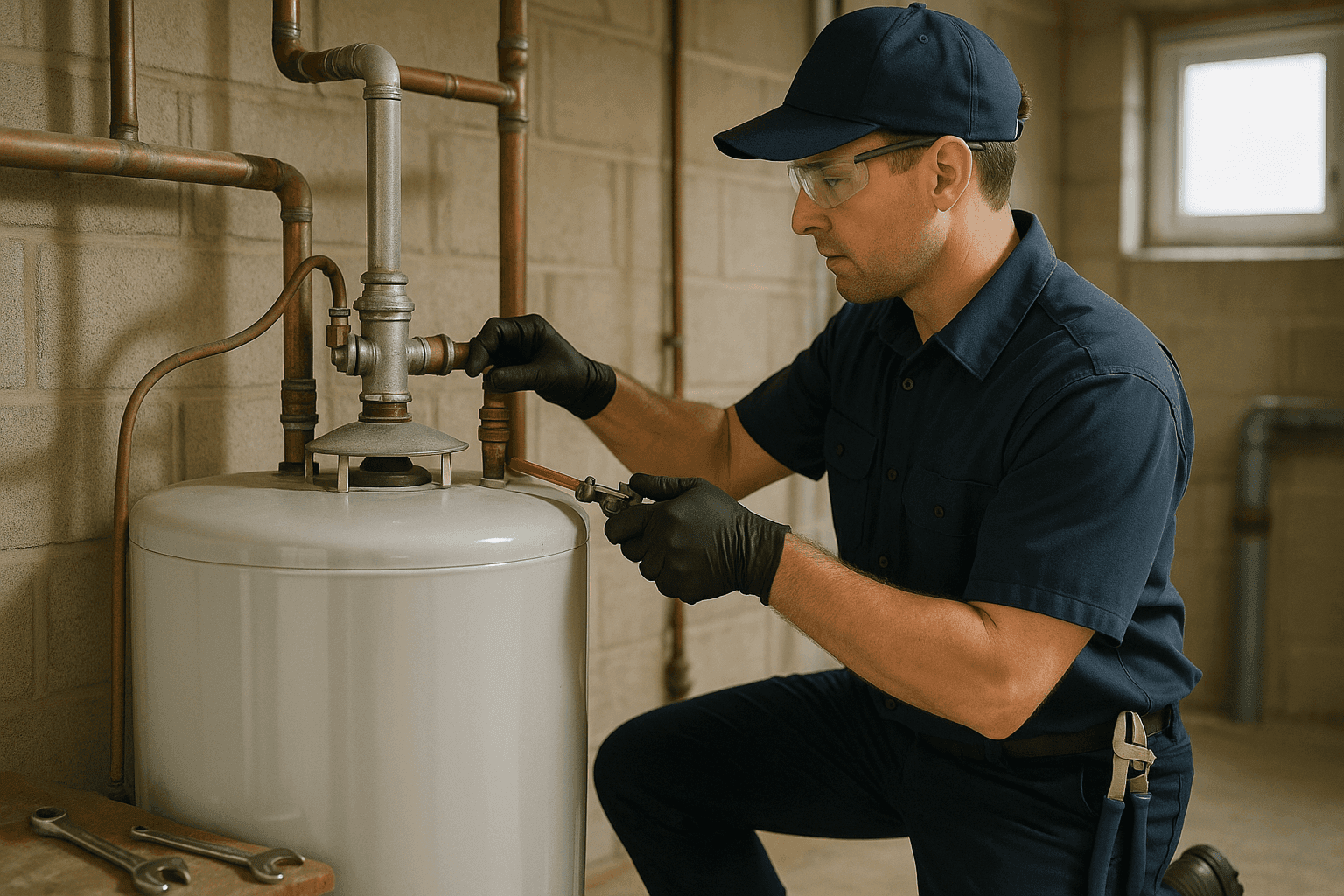
Water Heaters
- Look for: Strange noises, rusty water, or puddles near the base.
- Tip: Flush the tank yearly to remove sediment and extend its lifespan.
Sump Pumps
- Look for: Unusual noises, frequent cycling, or failure to run during rain.
- Tip: Test your sump pump every few months by pouring water into the pit.
Regular checks don’t take long, but they can save you a world of hassle down the road.
Seasonal Maintenance Checklist
Each season brings its own plumbing challenges. Here’s how to stay ahead, whatever the weather.
Winter: Freeze Prevention
- Insulate pipes in unheated spaces.
- Disconnect and drain outdoor hoses.
- Keep a slow trickle of water running in extreme cold.
- Know where your main shutoff valve is, just in case.
Spring: Storm Prep
- Clear gutters and downspouts.
- Check basement sump pumps.
- Inspect for leaks after heavy rain.
Summer: Vacation Readiness
- Turn off the main water supply if you’ll be gone for a while.
- Check washing machine hoses for cracks.
Fall: Holiday Hosting
- Remind guests not to flush wipes or pour grease down the drain.
- Schedule a drain cleaning before big gatherings.
A little preparation goes a long way—especially when the seasons change.
DIY vs. Professional Maintenance
It’s tempting to tackle plumbing issues yourself, and some tasks are safe for most property owners. But others are best left to licensed professionals.
Safe DIY Tasks
- Tightening loose faucet handles or showerheads.
- Unclogging minor blockages with a plunger.
- Cleaning faucet aerators and showerheads.
- Replacing toilet flappers or sink stoppers.
When to Call The Four Plumbing
- Persistent clogs or slow drains.
- Leaks inside walls, ceilings, or floors.
- Water heater issues (strange noises, no hot water).
- Gas line smells or suspected leaks.
- Sewer line backups or foul odors.
Plumbing codes and safety standards (like those from the International Association of Plumbing and Mechanical Officials) are there for a reason. When in doubt, call in the pros.
The Benefits of Preventative Maintenance
Why wait for a disaster when a little prevention can keep things running smoothly? Here’s what regular maintenance brings:
- Lower Risk of Emergencies: Spotting small issues early stops them from turning into big problems.
- Longer System Life: Well-maintained pipes and fixtures last years longer.
- Better Water Quality: Regular checks catch corrosion and buildup before they affect your water.
- Peace of Mind: Fewer surprises, less stress, and more time to focus on what matters.
Many property owners opt for preventative maintenance contracts, which include scheduled inspections, minor repairs, and priority service. It’s like having a plumber in your corner year-round.
Spotting Early Warning Signs
Not sure when to worry? Watch for these red flags:
- Sudden drops in water pressure.
- Water stains on ceilings or walls.
- Unexplained spikes in your water bill.
- Persistent musty smells.
- Gurgling or bubbling sounds in drains.
If you notice any of these, it’s time to take action.
Costs & Time Factors
Maintenance is always less expensive than emergency repairs. Here’s what to expect:
- Routine Inspections: Usually take about 1–2 hours.
- Minor Repairs: Can often be completed the same day.
- Major Repairs: May require several visits, especially if pipes need replacing.
Emergency plumbing calls often cost more due to urgency and after-hours work. Regular care helps keep those calls to a minimum.
When It’s an Emergency 🚨
Some plumbing problems just can’t wait. Here’s when to pick up the phone immediately:
- Burst pipes or major leaks.
- Sewage backups.
- No water or hot water.
- Gas leaks (leave the building first, then call).
Quick action can prevent thousands of dollars in damage. Don’t hesitate—your safety comes first.
FAQ
How often should I have my plumbing inspected?
Most experts recommend a professional inspection once a year. If your building is older, or you’ve had issues in the past, consider twice a year.
What can I do to prevent clogged drains?
Use drain strainers, avoid pouring grease down sinks, and flush only toilet paper. Schedule routine drain cleaning to keep things flowing.
Is it safe to use chemical drain cleaners?
Most pros advise against it. Harsh chemicals can damage pipes and are tough on the environment. Stick to mechanical methods or call a professional.
What’s included in a preventative maintenance contract?
Typically, contracts cover annual inspections, minor repairs, water heater checks, and priority emergency plumbing service.
Special Considerations for Homeowners and Small Business Owners
Every building is unique. If you own a business, consider the added strain during busy hours or special events. For homeowners, family gatherings and holidays are peak times for plumbing mishaps. Schedule maintenance before big events, and educate everyone in your space about what can and can’t go down the drains.
If your property is older or has a history of plumbing issues, proactive inspections are even more important. Building codes and safety standards change over time—make sure your system is up to date.
Call The Four Plumbing now — or reach us anytime at 888-884-8551 .