Preventative Plumbing Maintenance: Seasonal Checklist & Pro Tips
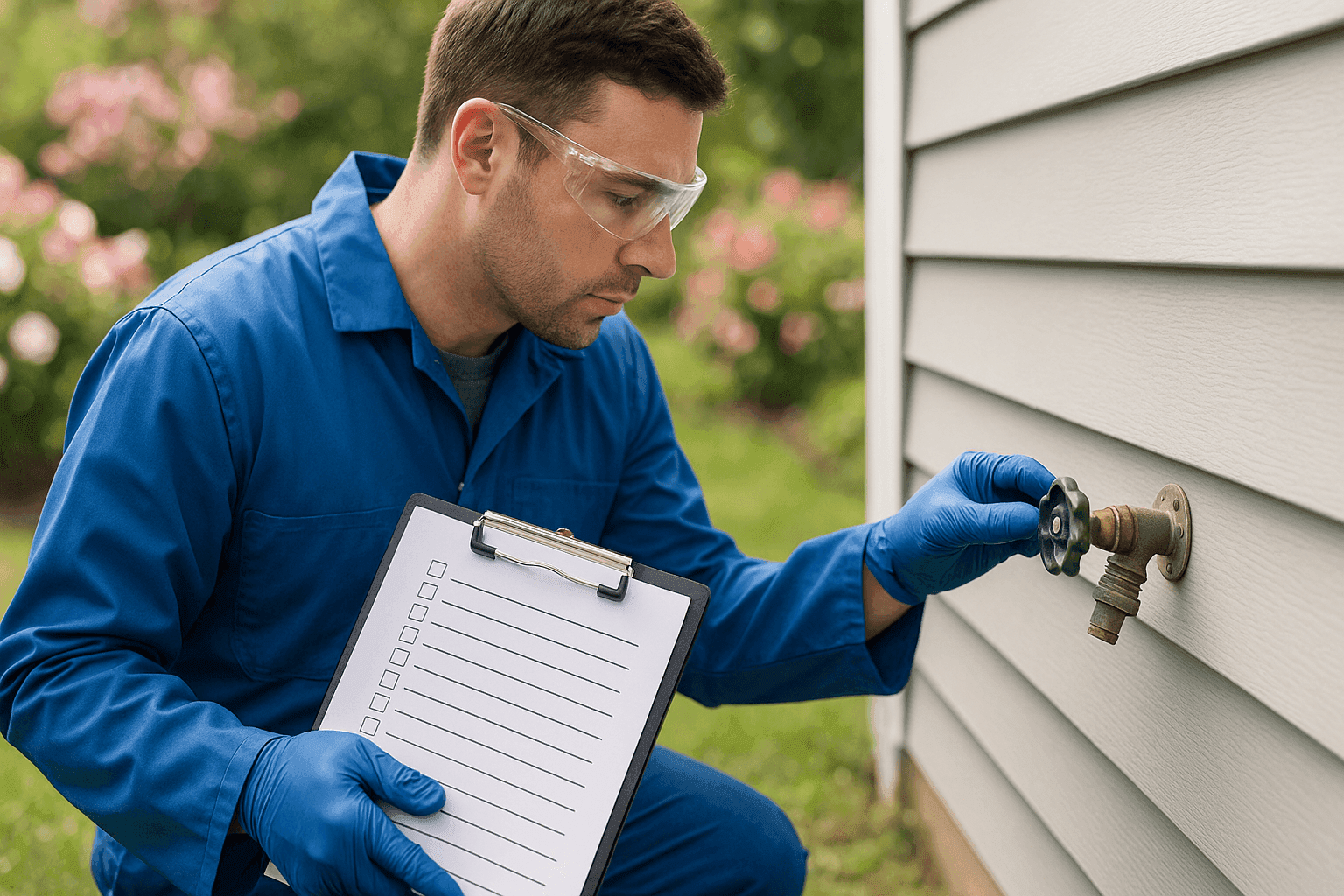
Every faucet, pipe, and valve in your building is a silent guardian. They work day and night, often unnoticed—until something goes wrong. A burst pipe, a clogged drain, or a sudden leak can upend your routine in a moment.
At The Four Plumbing, we see it every season. Emergencies don’t wait, and neither should you. With a bit of know-how and timely action, most plumbing disasters can be avoided. Here’s how to keep your plumbing strong, year-round.
Why Preventative Maintenance Matters 🛠️
Think of your plumbing like the circulatory system of your home or business. Ignore it, and clogs or breaks are inevitable. Regular maintenance keeps water clean, pressure steady, and emergencies rare. The American Society of Home Inspectors reports that most water damage could have been prevented by routine checks and minor repairs.
A leaky valve in spring can become a flooded basement by fall. That’s why a seasonal checklist isn’t just a good idea—it’s your first defense against costly repair calls. Prevention isn’t just about saving money. It’s about peace of mind, safe water, and protecting what matters most.
Spring Plumbing Checklist
Spring is thaw season. Melting snow and rain challenge your plumbing in ways winter never could.
- Test sump pumps: Pour a bucket of water in. It should switch on and drain fast. If not, time for Sump Pump Repair near you.
- Inspect outdoor faucets: Look for leaks or slow drips. Frost can crack pipes—catch it early.
- Clear gutters and downspouts: Water pooling near your foundation can seep inside.
- Check for leaks: Under sinks, behind toilets, in the basement. Even a slow drip can signal trouble.
- Flush water heaters: Sediment builds up over winter. Draining a few gallons helps maintain efficiency.
- Look at exposed pipes: Any corrosion or greenish buildup? Schedule a pipe repair if you spot it.
Fall Plumbing Checklist
Leaves fall, temperatures drop—and plumbing faces new threats.
- Disconnect hoses: Prevent burst outdoor pipes by removing and draining garden hoses.
- Insulate exposed pipes: Foam sleeves are cheap insurance against freeze damage.
- Test your sump pump (again): Heavy autumn rains can overwhelm weak pumps.
- Service your boiler: Schedule boiler repair or inspection ahead of cold snaps.
- Clean drains: Slow drains now mean clogs later. Drain cleaning keeps things moving.
- Shut off exterior water: If possible, close inside valves and drain exterior lines.
Winter Plumbing Checklist
When the mercury plummets, pipes are under siege.
- Keep heat consistent: Let faucets drip overnight during deep freezes.
- Open cabinet doors: Let warm air reach pipes under sinks.
- Check for drafts: Seal up cracks near plumbing lines.
- Monitor water pressure: A sudden drop could mean ice is forming inside pipes—act fast.
- Know your main shutoff: In case of a burst, seconds count.
Professional Inspections: When & Why
Some issues hide where only a trained eye will spot them. Annual plumbing inspections by a licensed plumber catch small leaks, faulty valves, and worn-out fittings before they become emergencies. For commercial properties, consider biannual checks—especially for backflow prevention, gas line safety, and sewer line inspection.
Plumbing codes (like those from the International Association of Plumbing and Mechanical Officials) often require regular backflow testing for businesses. Staying current isn’t just smart—it’s the law.
DIY vs. Call a Pro
Some tasks are simple. Anyone can check for leaks or insulate pipes. But when it comes to:
- Gas line installation or gas safety checks
- Sewer line repair or replacement
- Boiler or water heater work
- Persistent leaks you can’t find
- Backflow testing and prevention
…it’s time to call in the pros. Mistakes can lead to safety hazards, code violations, or worse.
What the Pros Do on Arrival
When The Four Plumbing arrives, we don’t just fix what’s broken. Our licensed plumbers:
- Inspect visible and hidden pipes for leaks or corrosion.
- Test water pressure and check for irregularities.
- Examine sump pumps, water heaters, and boilers for wear.
- Conduct backflow, gas line, and safety checks as needed.
- Use advanced leak detection tools—thermal cameras, pressure sensors, listening devices.
We handle everything from pipe installation to unclogging toilets, always guided by local codes and safety standards.
Prevention & Maintenance Tips
A stitch in time saves nine. Here’s how to stay ahead:
- Install water leak detectors: Early warnings mean fast action.
- Schedule routine drain cleaning: Avoid buildup before it becomes a clog.
- Replace old hoses and washers: On washing machines, dishwashers, and ice makers.
- Test water quality: Water filtration systems keep minerals and contaminants at bay.
- Keep an eye on water bills: Unexplained spikes could mean a hidden leak.
The US Environmental Protection Agency recommends annual leak checks—just a few minutes can save thousands of gallons.
Costs & Time Factors
Routine maintenance costs far less than emergency plumbing calls. Most seasonal inspections can be done in under two hours. Repairs vary: a quick fix for a leaky faucet might take 30 minutes; repiping a section of your building may span several days.
Remember, putting off a basic repair today could mean shelling out for major damage tomorrow.
When It’s an Emergency
What’s an emergency? Here’s the short list:
- Burst pipes or visible flooding
- Sewer backups or strong sewage odors
- Gas leaks (rotten egg smell)
- No hot water during freezing weather
- Major water leaks that can’t be stopped
If you’re facing any of these, don’t wait. Emergency plumbing is what we do best—day or night.
FAQ: Common Plumbing Maintenance Questions
How often should I schedule plumbing maintenance?
For most homes, once a year is a good rule of thumb. Businesses or buildings with older plumbing should consider every six months.
What’s the difference between a leak and condensation?
Condensation is normal—especially on cold pipes. But if you find puddles or see steady drips, that’s a leak and needs attention.
Can I use chemical drain cleaners?
It’s best to avoid them. Chemicals can damage your pipes over time. Stick to mechanical cleaning or professional drain cleaning services.
Do I need backflow prevention?
Yes—especially for commercial properties. Local codes usually require annual backflow testing to protect your water supply.
Local & Seasonal Considerations 🏡
Weather shapes plumbing problems. In cold climates, frozen pipes are the top winter risk. In rainy regions, sump pumps and drainage matter most during spring and fall. Hot, dry summers can stress older pipes and cause increased demand for leak detection.
Whether you’re in a snowbelt, a floodplain, or a humid coastal zone, tailoring your maintenance to the seasons (and your building’s age) makes all the difference.
A little prevention goes a long way. When you’re ready for peace of mind—or when you need emergency plumbing now—The Four Plumbing is here to help.
Call The Four Plumbing now — or reach us anytime at 888-884-8551 .