How to Prevent Water Damage From Plumbing Leaks
Water damage doesn’t warn you. It just shows up—soaking floors, bubbling walls, and sometimes taking cherished memories with it. We’ve seen firsthand at The Four Plumbing how a small drip might become a flood overnight.
No one expects their next emergency plumbing call to be a life-interrupting event. But a few simple habits, some watchful eyes, and knowing what to upgrade can save your home or business from costly repairs.
Why Water Leaks Happen
Plumbing leaks are like silent termites—working behind the scenes, out of sight, until they break through. But why do they start?
- Aging pipes: Like old bones, pipes weaken over time. Corrosion, mineral buildup, and shifting foundations will create tiny cracks.
- Extreme temperatures: Winter cold can freeze water, causing pipes to expand and split. Sudden heat, especially in older boilers, can stress joints.
- High water pressure: Pressure that’s too strong isn’t just wasteful. It can break seals or pop pipes loose.
- Clogged drains: When water can’t flow freely, it looks for another escape—sometimes right into your kitchen or basement.
- Faulty fixtures: Leaky toilets, dripping faucets, or loose connection points often spell trouble.
- Appliance failure: Washing machines, dishwashers, and water heaters—each has hoses and valves that can fail.
While leaks might seem random, most have a root cause you can spot early if you know where to look. 🕵️
Prevention Strategies
Imagine your plumbing like the veins in your body—if one gets blocked, the whole system suffers. Prevention is your best medicine.
Regular Maintenance Habits
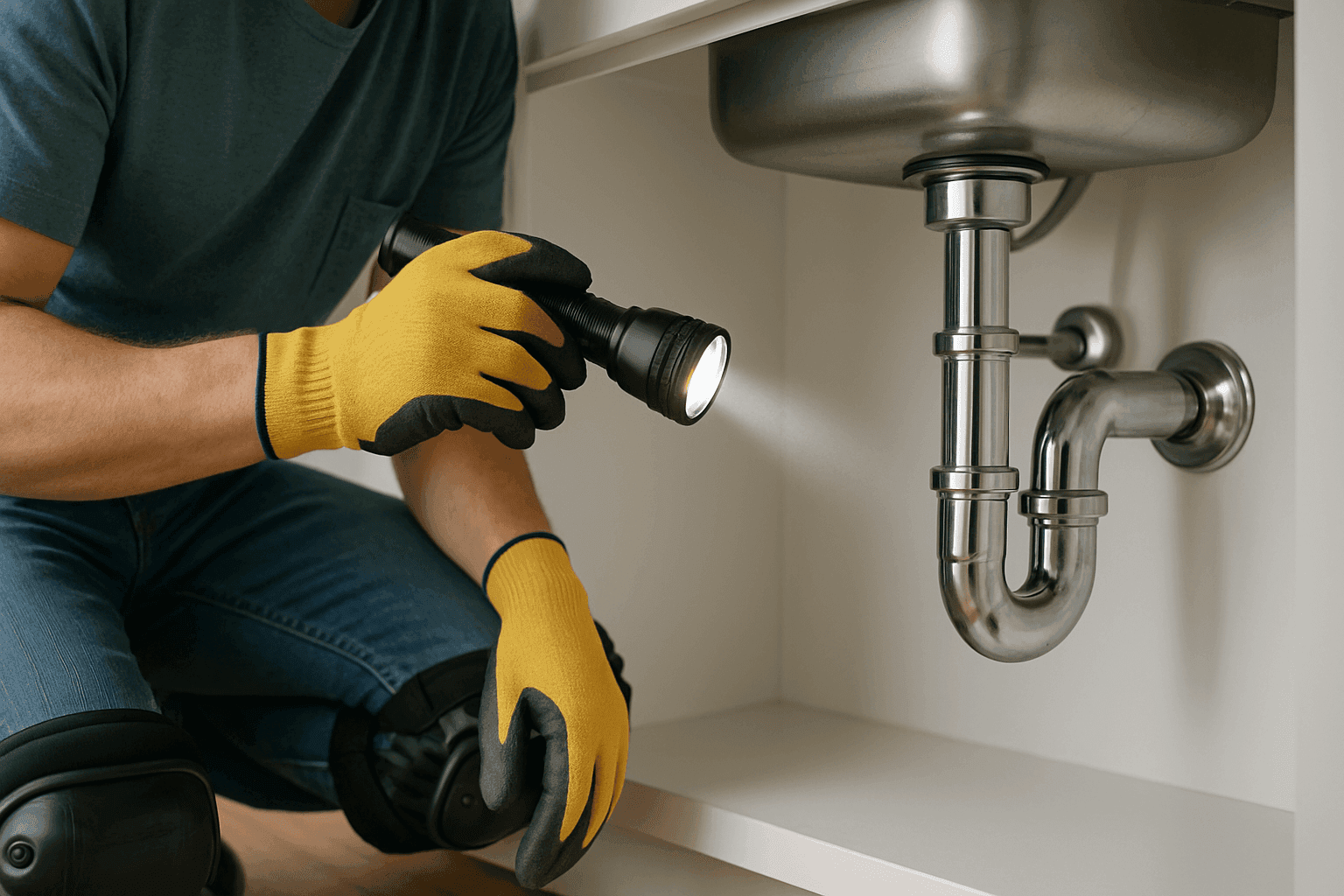
- Inspect under sinks: Check cabinet floors for dampness or stains every month.
- Test shut-off valves: Turn them off and on twice a year to keep them moving freely.
- Flush your water heater: Sediment can build up and corrode the tank. Drain it annually.
- Clean gutters and downspouts: It’s not just about rain—overflow can back up into basements.
- Check appliance hoses: Look for cracks or bulges, especially if hoses are over five years old.
- Monitor water bills: A sudden jump might mean water is escaping somewhere.
- Sump pump tests: Pour water into the pit and make sure it cycles on and off.
Upgrade Smart
- Install water leak detectors: Battery-powered sensors can alert you to moisture before it spreads.
- Replace old pipes: Consider repiping if you have galvanized or polybutylene lines.
- Upgrade shut-off valves: Automatic shut-offs stop water flow if a leak is detected.
- Modern fixtures: Newer toilets and faucets use stronger seals and less water.
- Backflow prevention: Stops contaminated water from entering your clean supply.
Insurance Tip
Most insurance companies require proof of maintenance for water damage claims. Keep records of repairs and upgrades—photos, invoices, even service dates. It can mean the difference between a paid claim and a denied one.
Early Detection
Finding leaks early is like catching a cold before it becomes the flu. Here’s what to watch for:
- Musty odors: A whiff of mildew is often your nose’s first warning.
- Stained walls or ceilings: Water leaves marks—yellow, brown, or even black.
- Peeling paint or wallpaper: Water pushes from behind, loosening adhesives.
- Floor warping: Wood swells and bends when it’s wet underneath.
- Sounds of running water: If pipes are quiet but you hear water, start investigating.
- Low water pressure: A hidden leak diverts flow from your taps.
Early Detection Checklist
- [ ] Check under all sinks monthly
- [ ] Inspect baseboards for swelling or discoloration
- [ ] Review last three water bills for unexplained increases
- [ ] Listen for hissing or dripping in quiet rooms
- [ ] Feel for soft spots in floors near appliances
What to Do If You Find a Leak
Act fast—the clock is ticking. Water is relentless.
- Shut off the water: Find your main valve and turn it off. For toilets or sinks, use the local shut-off.
- Unplug nearby electronics: Water and electricity are a dangerous mix.
- Contain the leak: Use towels, buckets, or even pots to catch drips.
- Move valuables: Get books, electronics, and fabrics out of harm’s way.
- Document the damage: Snap clear photos for your insurance company.
- Call emergency plumbing help: The sooner a professional arrives, the less damage you’ll face.
If you’re in a multi-unit building or commercial space, alert neighbors and property management. Water rarely respects boundaries.
Quick Safety Checklist
- [ ] Know where your main water shut-off is located
- [ ] Have emergency plumbing contacts saved in your phone
- [ ] Store towels, buckets, and plastic sheets in an easy-to-reach spot
- [ ] Never touch electrical devices with wet hands or standing in water
- [ ] Keep insurance information handy
DIY vs. Call a Pro
A little DIY spirit goes a long way. But water damage is sneaky, and sometimes a wrench won’t cut it.
When to Try DIY
- Tightening a loose faucet or fitting
- Replacing a washer in a dripping tap
- Clearing a minor clog with a plunger
When to Call a Pro
- If you find water stains but can’t see the source
- When you suspect a pipe has burst
- If your water heater is leaking
- When water is running behind walls or ceilings
- For backflow, gas line, or boiler issues
Remember, trying to tackle hidden leaks or major repairs on your own can void warranties or even violate local building codes. The Four Plumbing follows the International Plumbing Code and local safety guidelines to keep your property—and your peace of mind—intact. 🛠️
What Pros Do On Arrival
When our team walks in, we’re ready for anything. Here’s a behind-the-scenes look:
- Pinpoint leak detection: Using acoustic sensors, moisture meters, and thermal cameras.
- Shut off and isolate: We stop the water at the source and block off affected areas.
- Assess structural damage: Checking for mold, weakened supports, or electrical hazards.
- Repair or replace: From pipe patches to full repiping, depending on severity.
- Test and document: We make sure repairs hold, then provide documentation for insurance or future reference.
Prevention & Maintenance
Long-term protection means building good habits and scheduling occasional check-ups.
Maintenance Checklist
- [ ] Schedule annual plumbing inspections
- [ ] Test water pressure with a gauge (ideal: 40–60 psi)
- [ ] Flush water heater annually
- [ ] Inspect sump pump before rainy seasons
- [ ] Replace appliance hoses every 5–7 years
- [ ] Clean out drains with safe, non-corrosive cleaners
Proactive Upgrades
- Water filtration systems can reduce corrosive minerals, extending pipe life.
- Smart leak detectors send alerts to your phone, even when you’re away.
- Backflow prevention devices protect drinking water, required in many commercial settings.
Costs & Time Factors
Water damage doesn’t just hit your wallet—it eats up your calendar, too.
- Minor leak repair: Usually a matter of hours, often less than a day.
- Hidden or structural damage: Can take several days, especially if drywall or flooring needs replacement.
- Full repiping or major restoration: Expect a week or more, especially for older homes or large commercial properties.
- Cost variables: Pipe material, accessibility, and the extent of damage all play a role.
Tip: Most insurance providers cover sudden, accidental leaks—but not damage from neglect. Keep up with maintenance and keep your paperwork organized.
When It’s an Emergency
Some leaks can wait for business hours. Others can’t.
Emergency Signs
- Water gushing or pooling rapidly
- Loss of water pressure in the whole building
- Sewage smells or visible backflow
- Gas smell near water heaters or boilers
- Electrical outlets or breakers sparking near wet areas
If you’re facing any of these, leave the area and call emergency plumbing help immediately.
FAQ
How often should I inspect for leaks?
Every month is a safe bet for a quick visual check. Have a professional walk-through at least once a year.
Are water leak detectors really worth it?
Absolutely. They’re like smoke alarms for plumbing—cheap insurance that can stop a disaster before it starts.
Will insurance cover all water damage?
Not always. Sudden, accidental leaks are usually covered. Neglect, slow drips, or poor maintenance may be denied. Check your policy and keep records.
What’s the best way to prevent frozen pipes?
Insulate exposed pipes, especially in unheated spaces. Let faucets drip during deep freezes, and open cabinet doors to let warm air reach pipes.
Local/Seasonal Considerations
If you’re in a region with harsh winters, frozen pipes are the big villain. Insulate well before the first frost. In humid climates, mold follows leaks fast—good ventilation is key.
Commercial properties: Schedule preventative maintenance before busy seasons. Restaurants, hotels, and offices see higher water usage and more risk.
Always check local plumbing codes—requirements for backflow prevention, sump pump installation, and water heater safety vary. The Four Plumbing stays current so you don’t have to.
Call The Four Plumbing now — or reach us anytime at 888-884-8551 .