How to Prepare Your Plumbing for Seasonal Weather Changes
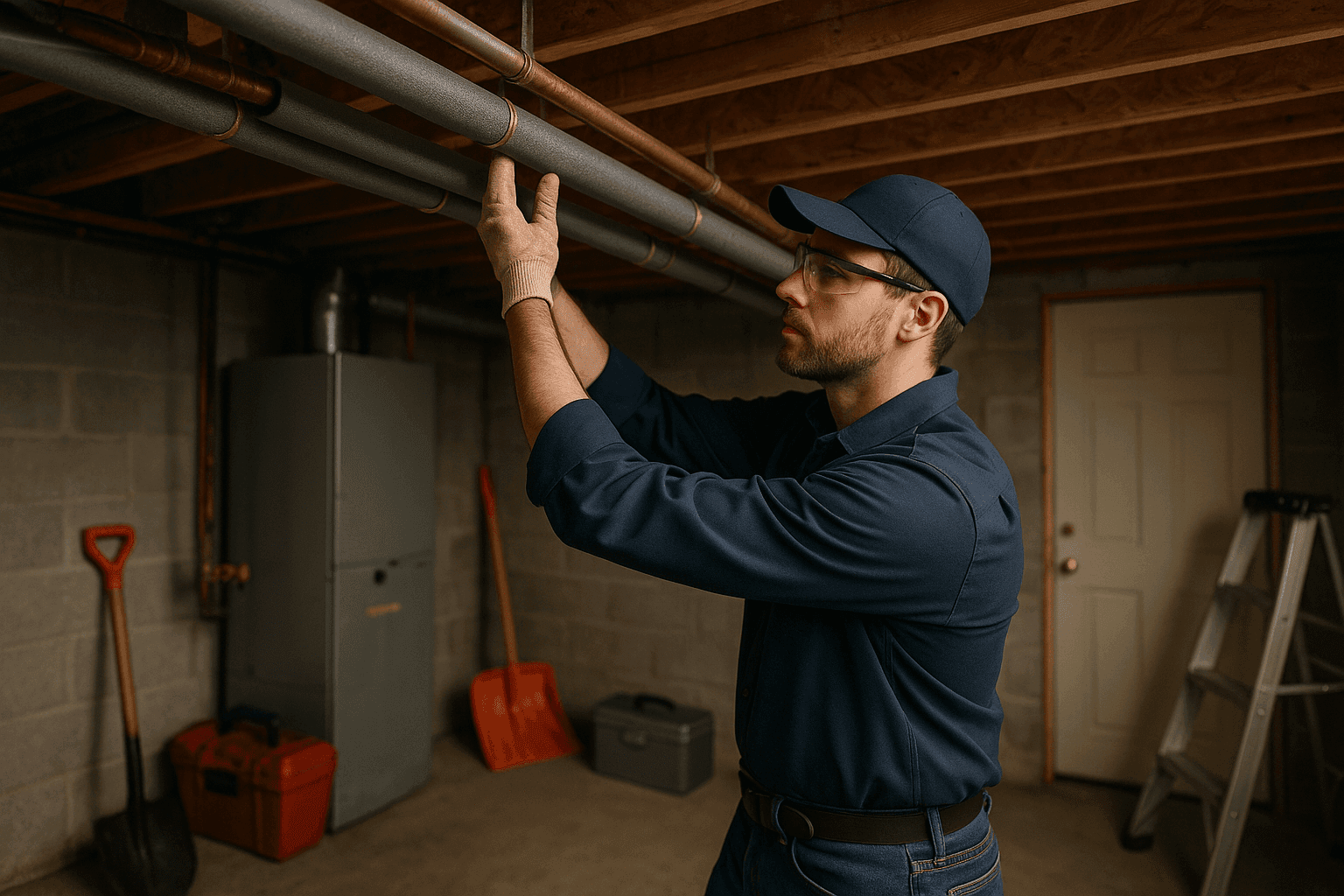
When the weather shifts, your plumbing feels it too. Pipes rattle, seals shrink, and water flow can turn from a gentle stream to a stubborn trickle. Homeowners and small business owners know—one burst pipe or hidden leak can throw your whole day off balance.
At The Four Plumbing, we see it all: from frozen pipes in the dead of winter to sudden clogs after heavy summer storms. Our 24/7 emergency plumbing team has helped countless customers dodge disaster with a bit of preparation. Here’s how you can keep your plumbing strong, safe, and ready for anything the seasons throw at it.
Why Plumbing Systems Struggle With Seasonal Changes
Plumbing is a lot like the circulatory system in your body. When the weather changes, it reacts—sometimes in ways you can’t see until there’s a problem.
- Winter’s Freeze: Water expands when it freezes. Pipes that aren’t insulated can crack or burst, leading to major leaks and water damage.
- Spring Thaw: Melting snow and rain can overwhelm sump pumps or expose existing leaks.
- Summer Heat: High temperatures put extra pressure on pipes and water heaters. Tree roots also grow faster, sometimes sneaking into sewer lines.
- Autumn Leaves: Falling leaves clog gutters and drains, leading to backups and potential flooding.
Ignoring these risks is like driving with a warning light on. Problems start small but can escalate quickly—especially if you’re not watching for the signs.
Quick Safety Checklist for Every Season 🛠️
A little attention goes a long way. Before each season, walk through this checklist:
- Inspect exposed pipes for cracks, corrosion, or weak spots.
- Test sump pumps by pouring water into the pit and watching for proper operation.
- Check outdoor faucets for drips or leaks—especially after a freeze.
- Clear gutters and downspouts to prevent water from pooling near your foundation.
- Listen for unusual sounds in your plumbing—banging, gurgling, or whistling can signal trouble.
- Check water heater temperature and look for rust or pooling water around the base.
- Look for slow drains in sinks, tubs, or toilets—these can signal deeper clogs.
- Inspect washing machine hoses for bulges or cracks.
- Test water pressure at different fixtures; sudden drops can mean a leak or blockage.
These steps only take a few minutes but can save you hours of stress and hundreds in repairs.
DIY or Call a Pro? Knowing Your Limits
Some plumbing fixes are as simple as tightening a connection or clearing a trap. Others are more like wrestling an octopus—messy, unpredictable, and best left to someone with experience.
DIY-friendly tasks:
- Insulating accessible pipes with foam sleeves.
- Cleaning out gutters and downspouts.
- Testing your sump pump and replacing batteries in backup systems.
- Checking for visible leaks around toilets, sinks, and appliances.
When to call The Four Plumbing:
- You notice water stains on ceilings or walls.
- Pipes are frozen, or you suspect a burst.
- Drains back up repeatedly, even after plunging.
- Water pressure drops suddenly throughout the building.
- You smell gas near appliances or pipes.
- Sump pump runs constantly or fails to turn on.
If you’re ever in doubt, err on the side of caution. Water damage can sneak up fast, and a small leak can quickly become a big problem.
What Plumbers Do When They Arrive
When you call for emergency plumbing help, you want to know what’s happening behind the scenes. Here’s what our team looks for:
Initial Assessment
- Visual inspection: We check for visible leaks, damaged pipes, and signs of water intrusion.
- Pressure testing: Using gauges, we measure water pressure to spot hidden leaks or blockages.
- Thermal imaging: For suspected leaks inside walls or floors, we use thermal cameras to find temperature changes (as recommended by the International Association of Certified Home Inspectors).
- Drain camera inspection: For stubborn clogs or slow drains, we may run a camera into the pipes to pinpoint the problem.
Immediate Action
- Shut off water or gas if there’s a risk of flooding or gas leak.
- Temporary fixes: Patch leaks or stop water flow to prevent further damage.
- Clear blockages: Use augers or hydro-jetting for deep clogs.
- Safety checks: Ensure all appliances and fixtures are operating safely before leaving.
Our goal is to stop the emergency, protect your property, and explain what needs to happen next.
Prevention & Maintenance: Year-Round Tips
Preventing plumbing emergencies is like keeping your car tuned up—you’ll drive farther with fewer breakdowns. Here’s how to keep your system running smoothly all year:
Winter Preparation
- Insulate pipes in crawl spaces, attics, and garages. Use foam sleeves or wrap with heat tape (per manufacturer’s guidelines).
- Seal cracks and gaps around windows, doors, and foundations to keep cold air out.
- Disconnect outdoor hoses and shut off exterior faucets.
- Open cabinet doors under sinks to let warm air circulate around pipes during extreme cold.
- Let faucets drip slightly overnight if a deep freeze is expected.
Spring and Summer Maintenance
- Schedule drain cleaning to clear out grease, soap, and debris that built up over winter.
- Inspect sump pumps and backup systems as heavy rains approach.
- Check for root intrusion in sewer lines—if you notice slow drains or gurgling, call for a camera inspection.
- Test your water heater for sediment buildup. Flushing the tank (per the manufacturer’s instructions) can extend its life.
- Look for leaks in irrigation systems and outdoor plumbing.
Fall Checklist
- Clean gutters and downspouts to prevent water pooling and ice dams.
- Check water shut-off valves to ensure they turn easily.
- Wrap outdoor faucets with insulated covers.
- Schedule a backflow test to ensure your water supply stays safe.
Routine maintenance keeps surprises to a minimum and helps your plumbing last longer.
Costs & Time Factors
Plumbing repairs and maintenance come in all shapes and sizes. Some are quick fixes; others require more time and investment.
- Pipe insulation: Materials are affordable and installation is often done in an hour or two.
- Leak detection: Professional inspections can take 1–3 hours, depending on the size of your property.
- Drain cleaning: Basic clogs may clear in under an hour; deeper blockages or sewer line work can take longer.
- Emergency repairs: Response times vary, but our team aims to be on-site as quickly as possible, day or night.
Remember, catching issues early is almost always less expensive than dealing with water damage or major repairs down the road.
When It’s an Emergency
Not all plumbing problems can wait. Here’s when you need to act fast and call for emergency plumbing service:
- Burst pipes: Water pouring out, especially in winter.
- No water: Total loss of water to your home or business.
- Sewer backup: Foul smells, slow drains, or water coming up from floor drains.
- Gas leaks: Smell of rotten eggs or hissing sounds near gas lines.
- Major leaks: Water pooling on floors, especially near electrical outlets or appliances.
In these cases, shut off your main water or gas supply if safe to do so, then call The Four Plumbing immediately.
FAQ: Seasonal Plumbing Questions
What’s the best way to prevent frozen pipes?
Insulate exposed pipes, especially in unheated areas. Keep interior temperatures above freezing and let faucets drip during extreme cold. The American Red Cross recommends opening cabinet doors to allow warm air to circulate around pipes.
How often should I have my plumbing inspected?
Annual inspections are a good rule of thumb. If you notice changes in water pressure, slow drains, or leaks, schedule a checkup sooner.
Is it safe to use chemical drain cleaners?
Most plumbers advise against them. Chemicals can damage pipes and harm the environment. Mechanical methods—like plungers or drain snakes—are safer. For persistent clogs, call a professional.
Why does my sump pump run constantly?
Continuous operation could mean a stuck float, a blocked discharge line, or a failing pump. Regular testing and maintenance help catch problems before flooding occurs.
Special Considerations for Your Plumbing System
Every property is unique. Older homes may have aging pipes that are more vulnerable to temperature swings. Businesses with commercial kitchens or public restrooms need more frequent drain cleaning and backflow testing. If you have a basement, sump pump checks are critical before wet weather hits.
For gas lines, always follow recommended safety checks and never attempt repairs yourself. The National Fire Protection Association (NFPA) provides clear guidelines for gas safety.
Water filtration systems and backflow prevention devices should be tested regularly to keep your water supply safe and clean.
Call The Four Plumbing now — or reach us anytime at 888-884-8551 .