Plumbing Problems in Winter: Freeze Prevention & Emergency Tips
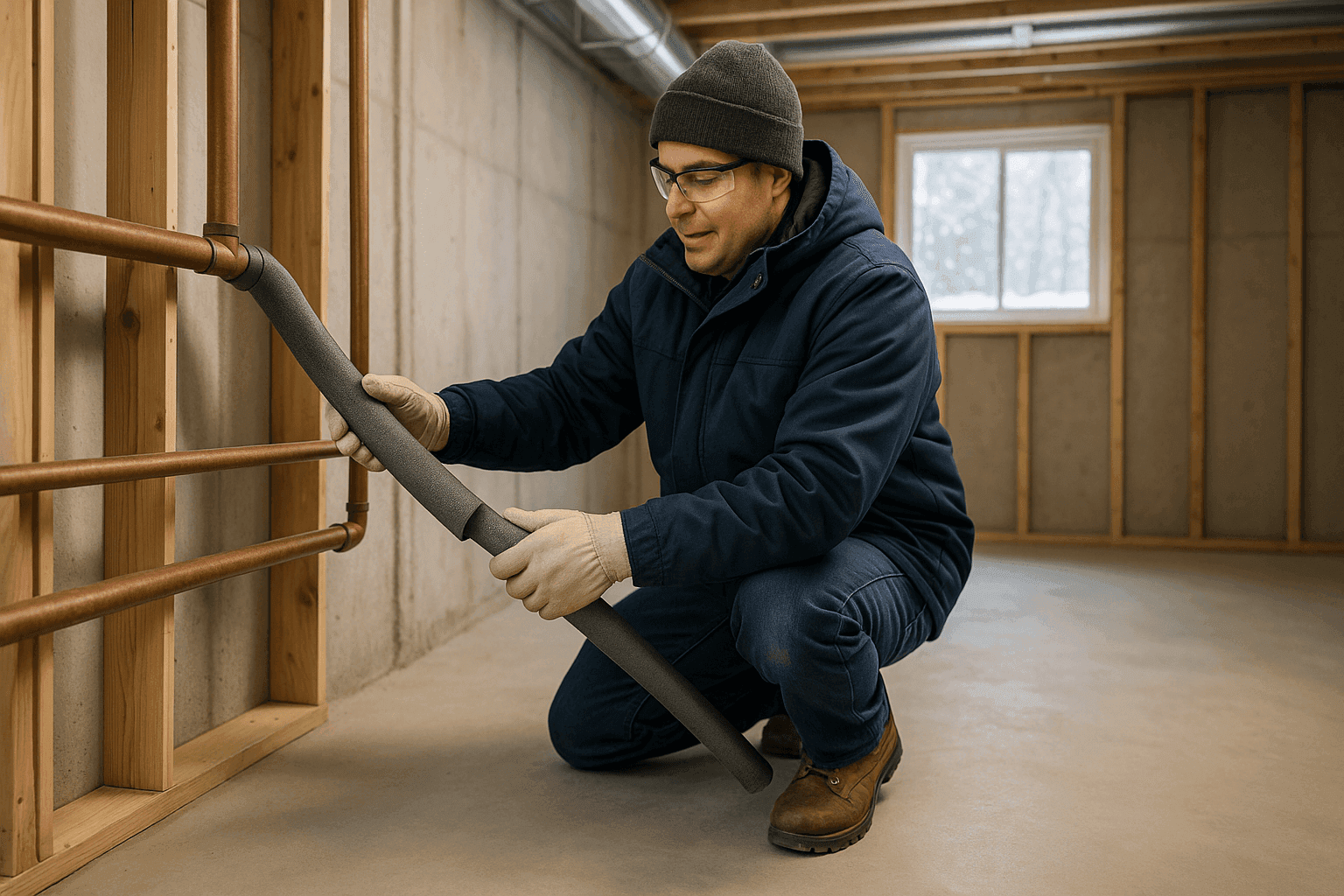
Every winter, ice doesn’t just nip at your nose. It can sneak into your walls, basement, or crawlspace—turning innocent water pipes into ticking time bombs. Whether you’re running a cozy home or managing a busy commercial building, frozen pipes don’t care about your schedule.
At The Four Plumbing, we’ve seen the havoc winter can bring. Let’s break down why it happens, how to keep your pipes flowing, and what to do if you’re suddenly ankle-deep in water on the coldest night of the year.
Why Pipes Freeze
It happens fast. When the temperature plummets, water inside your pipes acts like a stubborn soda left in the freezer. It expands. Pipes don’t like that. Especially the ones tucked along exterior walls, in poorly insulated attics, or lurking in chilly basements.
Picture a balloon—fill it too much and it pops. That’s your pipe under pressure from ice. While metal and plastic pipes both freeze, copper and steel are especially at risk. A frozen pipe doesn’t just stop your water. It can burst with force, causing damage that rivals a small flood.
Both homes and businesses face this risk, though commercial spaces with complex plumbing (think restaurants, warehouses, or offices) often have even more exposed or vulnerable lines.
Common Freeze Zones:
- Outdoor hose bibs and spigots
- Water supply lines in basements, garages, and crawlspaces
- Pipes running through exterior walls or unheated spaces
- Fire suppression systems in commercial properties
Even a small crack can unleash gallons of water in minutes. According to the Insurance Institute for Business & Home Safety, a burst pipe can release up to 250 gallons a day. That’s enough to soak carpets, damage equipment, and force closures.
Prevention Checklist ✅
Stop a disaster before it starts. Here’s what you can do—at home or at work—to keep the cold at bay:
- Insulate exposed pipes. Use foam sleeves or fiberglass wrap, especially in unheated areas.
- Seal cracks and gaps. Cold air loves sneaking in. Caulk or foam around windows, doors, and where pipes enter the building.
- Let faucets drip. A tiny trickle keeps water moving, making it harder to freeze.
- Open cabinet doors. Under sinks—especially on exterior walls—this lets warm air circulate around pipes.
- Keep the heat on. Don’t let indoor temps drop below 55°F, even overnight or when your business is closed.
- Disconnect hoses and drain spigots. Water left in outdoor lines is the first to freeze.
- Know your shut-off valve. Label it. Make sure everyone in your household or staff knows where it is and how to use it.
- Schedule regular maintenance. Annual pipe inspections, sump pump repair near you, and water heater checks can catch trouble before it starts.
One small step now can save you thousands in repairs. The U.S. Department of Energy and local building codes all emphasize insulation and maintenance for winter pipe safety.
Emergency Steps If Pipes Freeze or Burst ❄️
The worst has happened. Water won’t run—or worse, it’s gushing everywhere. Don’t panic. Move quickly and methodically:
If You Suspect a Frozen Pipe:
- Turn on faucets. If only a trickle comes out, you likely have a freeze.
- Apply gentle heat. Use a hair dryer or heating pad on the frozen section. Never use an open flame—it’s a fire hazard.
- Open doors. Let warmer air into the room or cabinet.
- Keep the faucet open. As the ice melts, water will flow and help clear the pipe.
If a Pipe Bursts:
- Shut off the main water valve immediately.
- Turn off electricity in affected areas if water is near outlets or appliances.
- Call emergency plumbing services right away.
- Move valuable items out of the wet area. Rugs, electronics, papers—get them up and out.
- Take photos for insurance claims, but don’t wade into deep water.
For businesses, add these steps:
- Post clear shut-off instructions for employees.
- Alert your building manager or maintenance team.
- Secure any hazardous materials from water exposure.
When to Call a Pro
Some fixes are DIY-friendly. Others need a skilled hand. Here’s how to tell:
Call The Four Plumbing if:
- Water won’t flow after thawing attempts.
- You can’t find the frozen section.
- There’s visible water damage, bulging ceilings, or soaked walls.
- A pipe has burst—don’t delay.
- You need help with gas line installation, boiler repair, sewer line inspection, or backflow testing during winter.
- You’re managing a commercial property with complex systems or fire suppression lines.
A professional plumber brings more than tools. We bring experience, the right parts, and knowledge of local codes and safety protocols. For emergencies, response time is everything.
What Pros Do On Arrival
When The Four Plumbing team arrives, we don’t just patch and pray. We assess the whole picture.
- Locate the freeze or break. Sometimes, it’s hidden behind walls or under floors.
- Thaw pipes safely. Using specialized equipment, not risky shortcuts.
- Repair or replace damaged sections. From simple leak repair to full repiping.
- Check for additional damage. Water can travel far—behind walls, under floors, even into neighboring units.
- Advise on future prevention. What failed, why, and how to stop it from happening again.
For businesses, we can also:
- Inspect and test fire suppression and safety systems.
- Document damage for insurance or compliance records.
- Coordinate with building managers for large-scale repairs or water shut-offs.
Prevention & Maintenance
An ounce of prevention is worth a gallon of cleanup. Here’s how to make your plumbing winter-ready—every year.
For Homes:
- Install pipe insulation in attics, crawlspaces, and basements.
- Add heat tape for extra protection on problem pipes.
- Inspect sump pump operation before the first freeze. Sump pump repair near you is critical if you notice slow drainage or strange noises.
- Schedule annual boiler and water heater checks.
For Businesses:
- Audit your plumbing system each fall. Walk through with a plumber.
- Identify all shut-off valves and post maps for staff.
- Winterize sprinkler and fire suppression systems.
- Test backflow prevention devices (local codes may require this yearly).
- Set up preventative maintenance contracts for regular checks—especially for older buildings.
Source: The American Red Cross and local building codes all recommend pre-winter inspections and insulation upgrades as your first line of defense.
Costs & Time Factors
Winter plumbing problems don’t just hurt your pipes—they hit your wallet and schedule.
- Frozen pipe thawing: Can take 1–4 hours, depending on severity and access.
- Minor leak repair: Usually resolved in under 2 hours.
- Major burst/repiping: May take a day or more, plus drying and cleanup.
- Water damage restoration: Can extend timelines by days or weeks, especially in commercial settings.
Costs vary widely. Material, location, and extent of damage all matter. Emergency plumbing calls often cost more, especially after-hours or on holidays. But quick action can minimize both repair bills and downtime.
When It’s an Emergency 🚨
Is your plumbing problem urgent? Here’s how to tell:
- Water is flooding your space. Don’t wait—shut off water and call immediately.
- You smell gas. Leave the building and call emergency services, then contact us for gas safety checks and repairs.
- Sewer backup. Raw sewage is a serious health risk. Close off the area and get help fast.
- No water at all. In winter, this can mean a freeze somewhere in your system.
If you’re unsure, it’s always safer to call. Waiting can turn a small mess into a disaster, especially for businesses relying on plumbing for daily operations.
FAQ: Winter Plumbing Worries
Q: Can I use a space heater to thaw frozen pipes?
A: Use extreme caution. Keep heaters at least three feet from flammable materials and never leave them unattended. Hair dryers or heating pads are safer for targeted pipe thawing.
Q: How do I know if my pipes are frozen?
A: If only a trickle comes from your faucet, or certain fixtures stop working, suspect a freeze—especially after a cold snap.
Q: Should I turn off water if I leave for vacation?
A: Yes. Shutting off and draining your water lines is a smart move before any extended absence in winter.
Q: Can frozen pipes cause long-term damage?
A: Yes. Even if they don’t burst, repeated freezing weakens pipes, joints, and can lead to hidden leaks later.
Local/Seasonal Considerations
Not all winters are created equal. Some regions dip below zero for weeks; others have wild temperature swings. Commercial buildings in urban areas may have shared walls and heat, but exterior pipes are still at risk. Older homes and historic buildings often lack modern insulation.
- Check local codes: Many cities require certain insulation or backflow prevention devices.
- Plan for power outages: If you lose heat, pipes are at higher risk. Have a backup plan for heating and water shut-off.
- Watch for ice dams: Melting snow on roofs can cause water to back up and leak into attics, affecting pipes above ceiling lines.
Keep an eye on the forecast. Sudden cold snaps test every weak spot in your plumbing. Preparing now means peace of mind when the temperature drops.
Don’t let winter catch you off guard. For everything from sump pump repair near you to emergency plumbing in the dead of night, The Four Plumbing is always ready to help.
Call The Four Plumbing now — or reach us anytime at 888-884-8551 .