Pipe Repair vs. Replacement: How to Decide & What It Costs
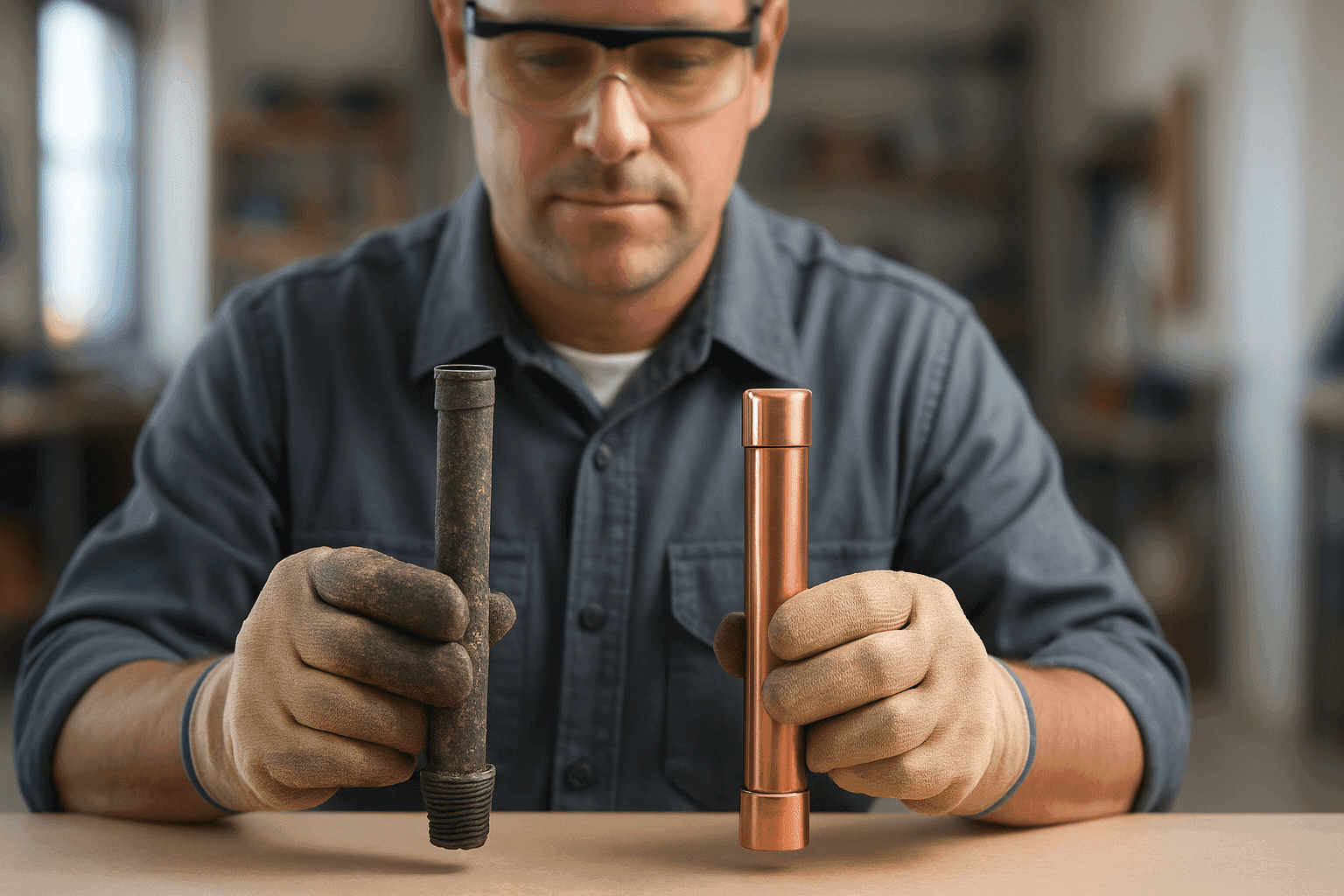
When a pipe bursts or starts to leak, life can flip upside down in a hurry. Water stains on your ceiling. Dripping sounds behind the wall. That sudden, sickening squish underfoot. Whether you’re managing a busy restaurant or relaxing at home, pipe problems never arrive at a convenient hour.
At The Four Plumbing, we know the difference between a quick fix and a major overhaul isn’t always obvious. You want to act fast, stay safe, and protect your wallet. Here’s how to make the call: repair or replace?
Signs Your Pipes Need Attention 🚨
Some plumbing issues are as subtle as a whisper. Others shout and break things. Here’s what to watch for in homes and commercial properties:
- Sudden drop in water pressure
- Wet spots on floors, walls, or ceilings
- Discolored water (rusty or cloudy)
- Persistent musty or moldy smells
- Unexplained spike in water bills
- Recurring clogs, especially in older buildings
- Gurgling from drains or toilets
In commercial spaces, even a minor leak can disrupt business or damage inventory. In homes, undetected leaks can quietly rot floors and walls. If you spot any of these, it’s time to act.
Repair or Replace?
Think of your pipes like the aging bones of a house or business. Some cracks can be patched. Others, though, signal it’s time for a new skeleton.
When Pipe Repair Makes Sense
- Isolated leaks: Just one or two trouble spots.
- Relatively new pipes: Copper, PEX, or PVC under 30 years old.
- No signs of widespread corrosion or mineral buildup.
- Damage from a specific event: Like a nail through the wall or freezing.
A good repair can extend the life of your system—sometimes for years.
When Replacement Is Better
- Multiple leaks in a short time
- Pipes are near or past their expected lifespan:
- Galvanized steel: 20–50 years
- Copper: 50+ years
- PVC: 25–40 years
- Cast iron (often found in older commercial buildings): up to 100 years—if maintained
- Heavy corrosion, mineral buildup, or flaking
- Water is always discolored or smells odd
- Extensive damage after a flood or freeze
In businesses, ongoing leaks can mean lost revenue, failed inspections, or even legal trouble. At home, frequent repairs quickly add up—sometimes costing more than a replacement in the long run.
Cost Considerations
Money talks. Pipe repair and replacement can range from a simple fix to a major investment.
What Influences Cost?
- Material of existing pipes: Copper costs more than PVC or PEX.
- Location of the problem: Pipes hidden in walls, under slabs, or above ceilings mean more labor.
- Severity and extent of damage: One leak is cheaper than a full repiping job.
- Accessibility: Commercial kitchens, multi-story buildings, or older homes often mean more complexity.
- Emergency plumbing needs: After-hours or urgent calls can increase costs.
Typical Ranges (as of 2025)
- Single pipe repair: $200–$1,000 (material, location, urgency)
- Partial pipe replacement: $1,500–$4,000
- Whole-home repiping: $4,000–$15,000+ (material and square footage matter)
- Commercial property repiping: Can be higher—think size, code requirements, and downtime
For both homes and businesses, investing in quality materials and professional installation saves headaches later.
Choosing the Right Solution
Not every leak means a total overhaul. But sometimes, a patch is just kicking the can down the road.
Ask Yourself:
- How old are my pipes?
- Is this the first problem, or one in a series?
- Am I renovating or planning to sell soon?
- What’s the risk if this fails again (damage, business downtime, health hazards)?
Practical Tips
- Get a camera inspection: For sewer lines and underground pipes, this shows the real story.
- Ask for a detailed estimate: Know what’s included.
- Check local plumbing codes: For commercial spaces, compliance matters (see the Uniform Plumbing Code and local amendments).
- Weigh the short-term fix vs. long-term savings: Sometimes, going big now saves money later.
Real-World Examples
Residential Scenario
A family in a 40-year-old home notices water spots in the basement. The pipes are copper and haven’t been touched since the house was built. One repair, then another. By the third leak, it’s clear: these pipes are at the end of their run. The family decides to repipe, preventing further damage and improving water quality.
Commercial Scenario
A busy café’s bathroom develops back-to-back leaks. The pipes are galvanized steel—installed decades ago. Temporary repairs keep failing. The owner opts for full replacement during a planned closure, avoiding future emergencies and meeting health code standards.
Pipe Lifespan: A Quick Reference
- Galvanized steel: 20–50 years
- Copper: 50+ years
- PEX: 40+ years
- PVC: 25–40 years
- Cast iron: Up to 100 years (if well maintained)
Preventative Maintenance
Just like regular oil changes keep your car running, routine plumbing checks protect your building. Here’s what to do:
- Schedule annual inspections—especially for older properties.
- Test water pressure; high pressure strains pipes.
- Look for early signs of leaks—dampness, stains, or odd noises.
- Install water filtration systems to reduce mineral buildup.
- Consider backflow prevention for commercial kitchens or multi-family buildings.
What to Expect When You Call a Pro
- Initial assessment: Visual check and, if needed, leak detection tools.
- Camera inspection: For buried or hard-to-reach pipes.
- Estimate: Clear, written, and detailed.
- Permits and code compliance: Especially for replacements or gas line work.
- Cleanup: Good plumbers leave your space as tidy as they found it.
When It’s an Emergency
A pipe bursts at midnight. Water everywhere. Don’t panic.
- Shut off your main water valve—know where it is!
- Move valuables and electronics out of harm’s way.
- Call for emergency plumbing. Fast action limits damage.
For commercial settings, have a plan in place: staff should know emergency procedures and who to call.
FAQ
How do I know if my pipes are too old?
Check your home or building records. If your pipes are near the end of their listed lifespan—or if you’re facing repeated leaks—it’s time to consider replacement.
Can I just patch a leaking pipe myself?
Small, accessible leaks might be a DIY job for handy folks. But hidden leaks or those in commercial buildings should always be handled by a licensed plumber. Safety first.
What’s the risk of waiting?
Leaks can create mold, ruin flooring, or even erode your building’s structure. In commercial spaces, water damage can halt business or lead to code violations.
Do repairs come with code or safety requirements?
Yes. Plumbing work must meet local codes, which often reference the Uniform Plumbing Code or International Plumbing Code. For gas lines or backflow prevention, there are strict safety rules—always use a licensed plumber.
Local & Seasonal Considerations 🌡️
- Cold climates: Freezing pipes are a winter hazard. Insulate exposed pipes and know how to shut off water quickly.
- Older neighborhoods: Be wary of lead or galvanized pipes.
- Commercial kitchens: Grease and food waste mean frequent checks for clogs and backflow issues.
- Storm-prone areas: Sump Pump Repair near you is crucial—flooding can stress pipes and sewer lines.
Taking care of your pipes is about more than avoiding puddles. It’s about protecting your investment, your peace of mind, and the people who depend on your building—whether that’s family, tenants, or customers.
Call The Four Plumbing now — or reach us anytime at 888-884-8551 .