Pipe Installation Guide: Materials, Process & Code Compliance
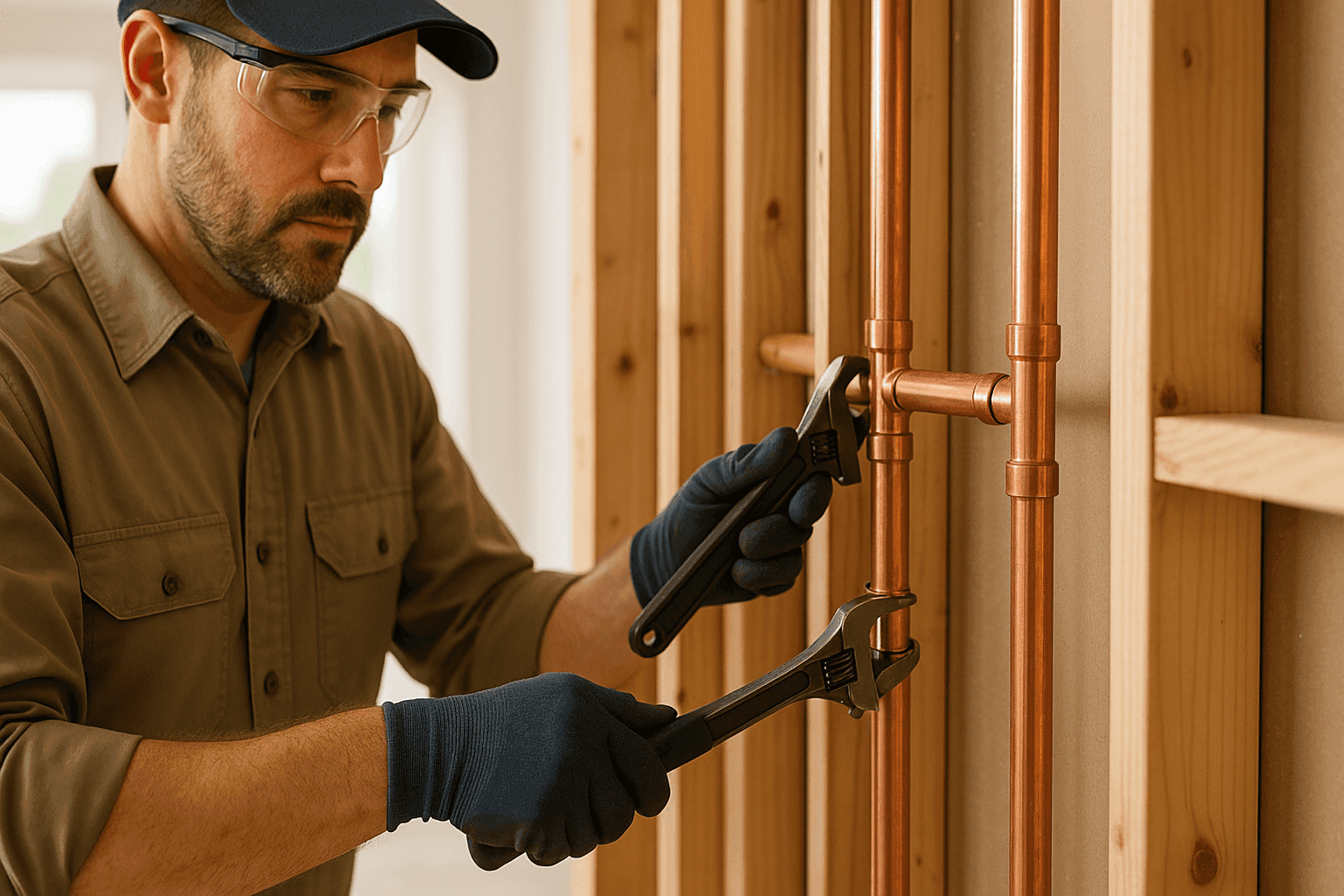
When water leaks, pressure drops, or pipes burst, everything stops. At The Four Plumbing, we understand how critical safe, lasting pipe installation is—both for homes and busy businesses. Whether you’re building new, remodeling, or fixing trouble fast, knowing the basics of pipe materials, installation, and codes helps you make smart decisions.
Plumbing isn’t glamorous—until it fails. A small mistake, a shortcut, and suddenly you’re ankle-deep in water at midnight. This guide breaks down the essentials: what pipes to use, how they go in, and how to keep everything up to code.
Choosing Pipe Materials 🚰
Picking the right pipe is like choosing shoes for a hike—you want something that fits the terrain. Water lines, gas lines, drains, and vents all need different strengths. Here’s what you’ll see most often in homes and businesses:
Common Pipe Types
- Copper: Long-lasting, resists corrosion. Great for water lines but costs more.
- PEX (cross-linked polyethylene): Flexible, easy to install, handles freezing. Good for tight spots, renovations, or houses with tricky layouts.
- PVC (polyvinyl chloride): Lightweight, won’t rust, used for drain and vent lines. Not for hot water.
- CPVC: Like PVC, but handles hot water.
- Galvanized steel: Old-school, tough but heavy. Prone to rust over decades.
- Black iron: Used for gas lines—never for water.
- Stainless steel: Rare, expensive, but super tough for special jobs.
What Impacts Your Choice?
- Water quality: Hard water? Go with corrosion-resistant pipes.
- Pressure needs: Tall building, or high-demand business? Choose heavy-duty.
- Budget: Sometimes PEX saves money without sacrificing reliability.
- Local code: Some places ban certain pipes—always check.
Tip: Mixing metals (like copper and steel) can cause corrosion faster. Use special fittings to keep them apart.
Installation Process: Step-by-Step
Installing pipe is more than just connecting tubes. Think of it like building a train track—every piece must fit, slope, and seal just right, or the whole system derails.
1. Planning & Layout
- Map out every fixture, appliance, and shutoff.
- Mark pipe runs, bends, and tee connections.
- Plan for cleanouts (access points for future clogs).
2. Cutting & Measuring
- Measure twice, cut once. Even a half-inch off can ruin a run.
- Use the right saw (pipe cutter for copper, special shears for PEX).
3. Fitting & Connecting
- Dry-fit everything before glue or solder.
- For copper, clean the ends—then flux and solder for a tight seal.
- PVC/CPVC needs primer and solvent cement.
- PEX uses crimp or push-fit connectors.
4. Securing Pipes
- Use hangers and supports every few feet—pipes sag over time.
- Never nail pipes directly to studs; vibration can cause leaks.
5. Testing
- Fill with water (or air, for gas lines), then check for leaks at every joint.
- Watch gauges: sudden pressure drops mean trouble.
6. Insulating
- Wrap pipes in unheated spaces to prevent freezing.
- Use fire-rated insulation for pipes near heat sources.
Remember: Every step matters. Rush, and you might miss a leak that turns into a flood.
Code & Permit Basics 🏛️
Building codes are the rules of the plumbing road. They exist to keep homes and businesses safe—and to protect your investment. Ignoring them is like skipping the seatbelt.
Why Codes Matter
- Prevent water contamination.
- Ensure safe gas delivery (no leaks, no carbon monoxide).
- Protect against backflow and sewer gas.
- Avoid costly fines or “red tags” from inspectors.
Typical Requirements
- Minimum pipe sizes (varies by fixture—see International Plumbing Code).
- Proper venting for drains.
- Approved materials for drinking water.
- Backflow prevention devices where required (especially for irrigation or fire sprinklers).
- Gas lines must be pressure-tested and marked.
Getting Permits
- Most cities require a plumbing permit for new work or major changes.
- Inspections may be needed at rough-in and final stages.
- Always keep a copy of your permit and inspection approvals.
Tip: Codes change. Even old houses need to meet the latest standards during remodels.
Quality Assurance: What Sets Lasting Plumbing Apart
Not all pipe jobs are created equal. You want more than “good enough.” You want plumbing that lasts—so you can focus on life, not leaks.
How to Check for Quality
- Pressure test: Every system should hold pressure overnight—no drops.
- Visual inspection: Joints should be smooth, clean, and free of drips.
- Slope: Drains must slope 1/4 inch per foot—otherwise, clogs are just waiting to happen.
- Secure supports: Pipes shouldn’t rattle or bounce.
- Labeling: Gas lines should be clearly marked.
Professional Touches
- Use of expansion loops on long runs (prevents cracking in PEX).
- Dielectric unions where copper meets steel (prevents corrosion).
- Accessible shutoffs for every major fixture.
At The Four Plumbing, we stand by our workmanship. All installs meet or exceed local and national plumbing codes, and our team stays up-to-date through ongoing training and certification.
Quick Safety Checklist
Before anyone picks up a wrench, safety comes first. One wrong move can mean injury—or a costly repair.
- Turn off water and power to the area.
- If working with gas, shut off the line and ventilate.
- Wear gloves, eye protection, and sturdy shoes.
- Never solder near open gas lines.
- Keep a fire extinguisher nearby.
- Double-check for hidden wires or pipes in walls before cutting.
- Use ladders and step stools on stable ground.
- Have an emergency plumbing number handy.
DIY vs. Call a Pro
It’s tempting to tackle a simple leak or swap a section of pipe yourself. Sometimes, that works—for small fixes, like replacing a P-trap under the sink.
But pipe installation is like rewiring a fuse box. One wrong connection, and you risk damage, leaks, or even danger.
When DIY Makes Sense
- Replacing a short section of accessible drainpipe.
- Swapping out faucet supply lines.
- Installing a new showerhead or toilet.
When to Call a Pro
- Gas line work—always.
- Pipe runs inside walls, ceilings, or underground.
- Whole-house repiping.
- Code-required inspections or permits.
- Any project involving backflow prevention or commercial plumbing.
Remember: Emergency plumbing issues can’t wait. If you’re in over your head, don’t risk costly water or gas damage.
What Pros Do On Arrival
When you call The Four Plumbing, you get more than tools—you get a method. Here’s how our team handles new pipe installs and repairs:
- Inspect the area for obvious leaks, corrosion, or outdated materials.
- Use advanced leak detection (thermal imaging, acoustic sensors).
- Review blueprints or create a new layout plan.
- Confirm code requirements and permit status.
- Isolate the work area and shut off systems safely.
- Carefully remove old pipe, minimizing wall or floor damage.
- Install new pipe, following every step above.
- Pressure test—always.
- Clean up the work area and walk you through what’s been done.
We’re here for everything from Sump Pump Repair near you to full commercial kitchen upgrades.
Prevention & Maintenance
You wouldn’t drive your car for years without an oil change. Pipes need care, too.
Simple Tips
- Check exposed pipes for drips, rust, or green stains (early signs of leaks).
- Insulate pipes before winter—frozen pipes burst.
- Run water regularly in seldom-used sinks.
- Install water filtration to reduce mineral buildup.
- Schedule annual plumbing inspections.
For Businesses
- Log all repairs and maintenance—helps spot patterns.
- Test backflow preventers regularly.
- Monitor water pressure (spikes can burst pipes).
A little attention now saves big headaches later.
Costs & Time Factors
Pipe installation varies as much as the buildings we work in. A small fix is one thing; a full repipe is another.
- Material: Copper costs more than PEX; specialty pipes (like for gas or fire suppression) add up.
- Labor: More walls, more fixtures, more time.
- Access: Pipes behind finished walls or under slabs take longer to reach.
- Permits: Fees vary by city.
- Testing & inspection: Required for most major jobs.
Time: A single pipe repair might take an hour. Whole-house repiping? Several days, sometimes with water shutoffs.
Tip: Pipe installs are an investment—done right, they last decades with only minor upkeep.
When It’s an Emergency
Water spraying from a broken pipe? Sewer backing up? That’s when every second counts.
- Shut off water at the main valve.
- For gas leaks, leave the building and call emergency services.
- Don’t try to patch major leaks with tape or glue—call for emergency plumbing help.
- Keep The Four Plumbing’s number handy for true 24/7 support.
FAQ
How do I know which pipe material I have now?
Check exposed sections: Copper is reddish, PEX is white/blue/red plastic, PVC is white, and galvanized steel is dull gray. Still not sure? We can identify it during a service call.
Are permits always required?
For new installs, repiping, or gas work—almost always. Small repairs (like replacing a faucet) may not need one, but always check with your local building department.
How long do new pipes last?
- Copper: 50+ years
- PEX: 40+ years
- PVC/CPVC: 25–40 years
- Galvanized: 40–50 years (but prone to rust)
Maintenance and water quality make a difference.
What’s the biggest code mistake people make?
Improper venting and using the wrong materials for high-pressure or hot water lines. These mistakes can lead to slow drains, leaks, or even health hazards.
Local & Seasonal Considerations ❄️
Cold snaps freeze pipes. Summer storms flood basements. Every region has its risks.
- In cold areas: Insulate pipes in attics, crawlspaces, and exterior walls. Let faucets drip on freezing nights.
- In flood-prone places: Install backflow preventers and sump pumps.
- In areas with hard water: Use corrosion-resistant piping and consider filtration systems.
- For commercial kitchens: Schedule regular drain cleaning and pipe inspections to avoid downtime.
Always check with your local building department for updates to the plumbing or gas code—they’re based on your town’s unique needs. The National Standard Plumbing Code and International Plumbing Code are good references, but local rules win every time.
Pipe installation isn’t just about running lines—it’s about peace of mind. Get it done right, and you’re set for years. Need help or facing an emergency?
Call The Four Plumbing now — or reach us anytime at 888-884-8551 .