How to Maintain Your Plumbing System Year-Round: Essential Tips for Homeowners and Small Business Owners
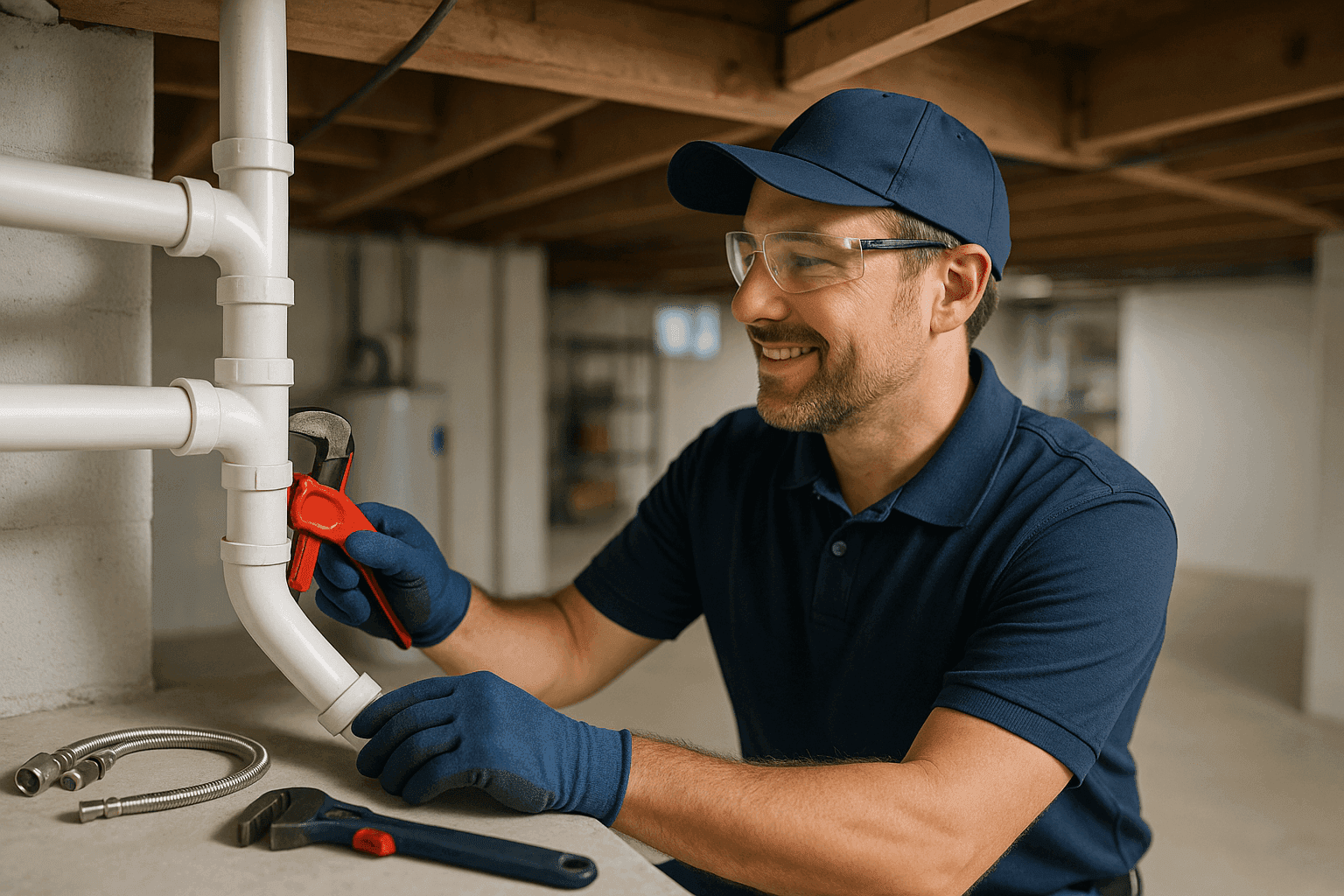
Keeping your plumbing system in top shape can feel like trying to keep a leaky boat afloat. One small drip, and suddenly you’re bailing water—or worse, calling for emergency plumbing help at the worst possible moment. At The Four Plumbing, we know how quickly a minor issue can turn into a major headache.
Whether you’re a homeowner or a small business owner, a little attention each season can save you from big, messy, and expensive surprises. Let’s walk through the must-dos for every time of year, so your pipes, drains, and fixtures stay in smooth working order.
Why Year-Round Plumbing Maintenance Matters
Imagine your plumbing as the circulatory system of your property. When everything flows, life is easy. But a single blockage or unnoticed leak can bring things to a standstill. Regular maintenance keeps the water moving, helps you avoid water damage, and even protects your investment in your property.
Neglect can lead to:
- Burst pipes and water damage
- Mold and mildew growth
- Higher water bills
- Unwelcome surprises during holidays or busy workdays
According to the International Association of Certified Home Inspectors, routine inspections and maintenance can extend the life of your plumbing and prevent emergencies. A little care now beats a flood later.
Quick Plumbing Safety Checklist 🛠️
Before you grab a wrench or check under the sink, safety comes first. Here’s a fast checklist to keep you, your family, and your property safe:
- Know where your main water shut-off valve is. Practice turning it off.
- Turn off electricity near any water before repairs.
- Wear gloves and eye protection when handling pipes or chemicals.
- Never mix drain cleaners—dangerous fumes can result.
- Check for gas smells before working on appliances. If you smell gas, leave and call for help.
- Keep children and pets away from work areas.
For more detailed guidelines, refer to resources like the Occupational Safety and Health Administration (OSHA) and local building codes.
DIY or Call a Professional Plumber?
Some plumbing tasks are like changing a lightbulb—quick, safe, and satisfying. Others are more like rewiring a fuse box: best left to those with the right training.
DIY-Friendly Tasks:
- Clearing minor sink clogs with a plunger
- Tightening loose faucet handles
- Cleaning faucet aerators
- Checking for visible leaks under sinks
Call The Four Plumbing When:
- Water is leaking from walls, ceilings, or floors
- You notice mold, mildew, or unexplained moisture
- Drains repeatedly clog or back up
- You hear banging, whistling, or gurgling in pipes
- Water pressure suddenly drops
- There’s no hot water, or your water heater makes strange noises
Trying to fix bigger issues yourself can make things worse or even violate plumbing codes. When in doubt, call in a pro.
What Plumbers Do on Arrival
When you call The Four Plumbing, our team arrives ready to get to the heart of the problem. Here’s what you can expect:
- Assessment: We inspect the affected area and ask questions about symptoms.
- Diagnosis: Using tools like leak detectors, pipe cameras, or pressure gauges, we find the root cause.
- Safety Checks: We make sure the area is safe—especially if gas lines or electrical components are involved.
- Clear Communication: We explain the issue and outline your options.
- Repairs or Maintenance: We handle the fix, from unclogging drains to repairing pipes or replacing fixtures.
- Testing: We check everything before leaving, ensuring your system is back to normal.
Our team follows plumbing codes and safety standards, so your repairs are built to last.
Seasonal Plumbing Maintenance Guide
A little attention each season can keep your plumbing running like a well-oiled machine. Here’s how to stay ahead of trouble, season by season.
Winter: Freeze Prevention & Pipe Protection
Cold weather is tough on pipes. Water expands as it freezes, and that can split even the toughest pipe.
Winter Plumbing To-Do List:
- Insulate exposed pipes in basements, attics, and crawl spaces.
- Disconnect outdoor hoses and shut off exterior faucets.
- Let faucets drip on the coldest nights to keep water moving.
- Check for drafts near pipes and seal gaps.
- Test your sump pump to make sure it’s ready for snowmelt.
Signs of Trouble:
- Frost on pipes
- Slow or stopped water flow
- Damp spots on walls or ceilings
If you suspect a frozen pipe, turn off the main water supply and call for emergency plumbing service.
Spring: Drain Cleaning & Leak Detection
Spring thaw can reveal hidden leaks and clogs. It’s the perfect time for a plumbing checkup.
Spring Plumbing To-Do List:
- Clear debris from gutters and downspouts to prevent water backup.
- Check for leaks under sinks, around toilets, and behind appliances.
- Flush your water heater to remove sediment.
- Test outdoor faucets for leaks or low pressure.
Look For:
- Water stains or musty odors
- Slow drains in sinks, showers, or tubs
- Pooling water in the yard
A professional drain cleaning can keep things flowing and catch problems early.
Summer: Leak Inspections & Water Pressure Checks
Long, hot days mean more showers, laundry, and outdoor watering. Summer puts extra strain on your system.
Summer Plumbing To-Do List:
- Inspect hoses and connections for washing machines, dishwashers, and refrigerators.
- Monitor water pressure—sudden changes can signal leaks.
- Check for running toilets and repair flappers or fill valves.
- Inspect your sump pump before summer storms.
Warning Signs:
- Water bills spike for no reason
- Puddles near appliances
- Toilets that won’t stop running
Don’t ignore small leaks—they can add up to gallons of wasted water.
Fall: Pipe Repair Checks & Preventative Maintenance
As leaves fall and temperatures drop, it’s time to prep your plumbing for colder months.
Fall Plumbing To-Do List:
- Inspect pipes for cracks or corrosion.
- Schedule a sewer line inspection if you have large trees nearby.
- Test your water heater before winter demand.
- Clean out sump pump pits and test the pump.
Watch For:
- Unusual noises in pipes
- Slow drains after heavy rain
- Rust or discoloration in water
Fall is also a great time for a professional inspection. Catching issues now can save you from winter emergencies.
Emergency Prevention Strategies
The best way to avoid a plumbing emergency is to stay ahead of problems. Here’s how:
- Install leak detectors under sinks and near water heaters.
- Test your sump pump every few months.
- Schedule annual backflow testing if required for your property.
- Keep drains clear of grease, hair, and debris.
- Don’t ignore small leaks—they rarely fix themselves.
The Environmental Protection Agency (EPA) recommends regular leak checks to save water and prevent property damage.
Costs & Time Factors
Plumbing maintenance doesn’t have to break the bank—or your schedule. Most seasonal checks take an hour or two. Professional inspections or repairs can range from quick fixes to more involved projects, depending on what’s found.
Typical factors affecting cost and time:
- Accessibility of pipes and fixtures
- Severity of leaks or clogs
- Age and material of pipes
- Need for specialized equipment (like cameras or pressure testers)
While some issues are simple, others—like sewer line repairs or repiping—can take a day or more. Investing in routine care can help you avoid the bigger bills that come with emergency plumbing calls.
When It’s an Emergency 🚨
Some plumbing problems can’t wait. Here’s when to pick up the phone right away:
- Burst pipes
- Major leaks (water pooling or gushing)
- Sewage backups
- No water or hot water
- Gas smells near appliances or pipes
If you can, shut off the main water valve and clear the area. Then call The Four Plumbing for emergency plumbing help. Acting fast can minimize damage.
Frequently Asked Questions
How often should I have my plumbing inspected?
It’s smart to do a basic check each season and schedule a professional inspection once a year. Older homes or properties with mature trees may need more frequent checks.
What’s the best way to prevent frozen pipes?
Insulate exposed pipes, keep heat on in cold weather, and let faucets drip during deep freezes. If you’re away, ask someone to check your property.
Are chemical drain cleaners safe to use?
Most professionals recommend caution. Overuse can damage pipes and harm the environment. A plunger or a drain snake is safer for minor clogs.
How can I tell if I have a hidden leak?
Watch for unexplained water bills, damp spots, or musty smells. Smart leak detectors can alert you to trouble early.
Special Considerations for Homeowners and Small Business Owners
Every property is unique. Homes may have aging pipes or quirky layouts, while small businesses might face higher water demand or code requirements for backflow prevention and grease traps.
- Know your plumbing system’s age and materials.
- Stay up to date on code requirements for your type of property.
- Schedule regular backflow testing if you serve food or drink.
- Keep records of inspections and repairs for insurance or resale.
A proactive approach keeps your property safe, efficient, and ready for whatever the year brings.
Ready to protect your plumbing investment and prevent costly surprises?
Call The Four Plumbing now — or reach us anytime at 888-884-8551 .