Kitchen Plumbing Problems: Troubleshooting Sinks, Faucets & Drains
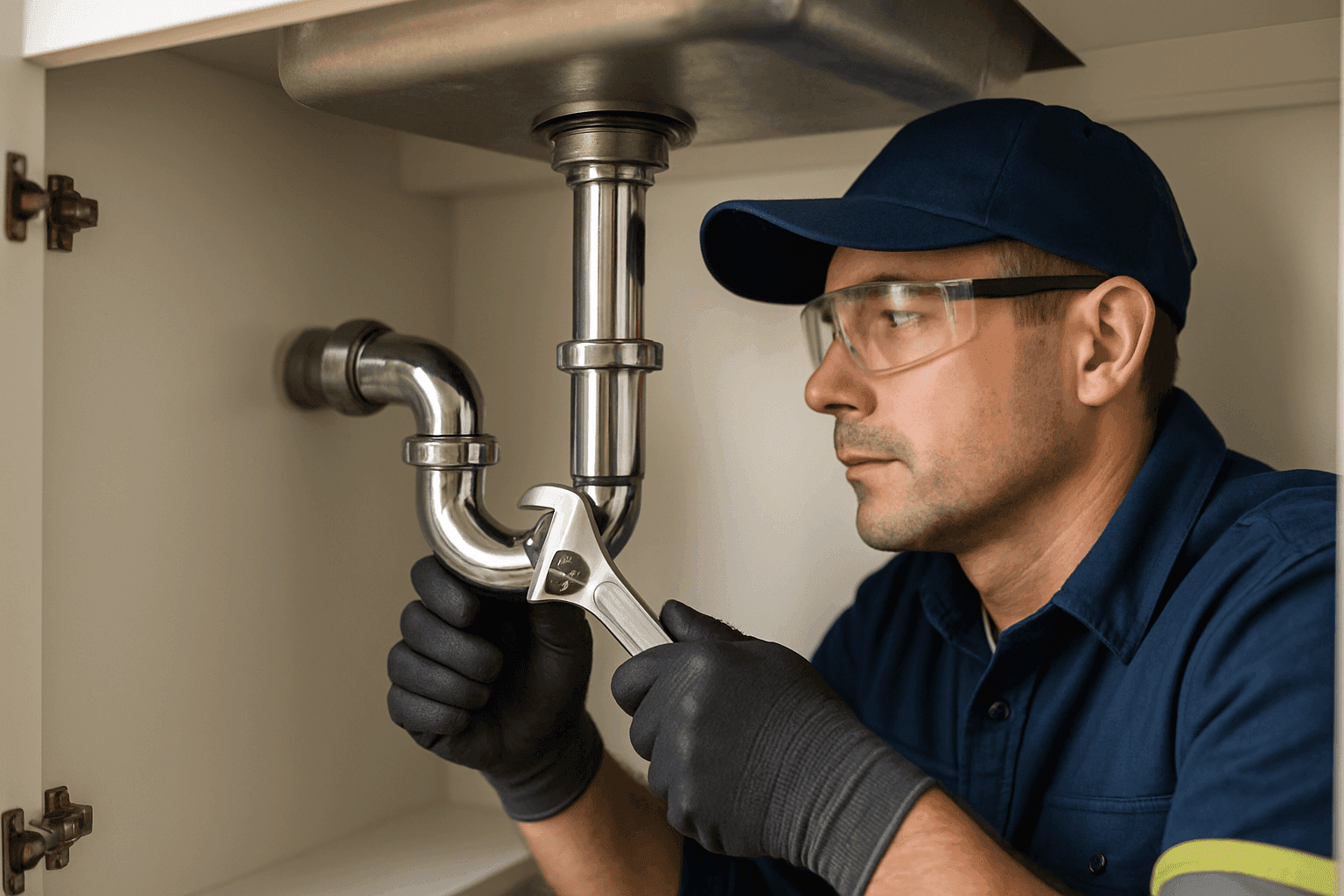
Kitchens are the heart of homes and the engine rooms of businesses. But when plumbing acts up—dripping faucets, slow drains, mystery leaks—life grinds to a halt. Water on the floor or the threat of a burst pipe can spell disaster, fast.
At The Four Plumbing, we know that even a small kitchen plumbing problem can turn into a big headache. Whether you run a busy café or just want to get through dinner cleanup without a flood, we’re here to help you spot, solve, and prevent the most common issues.
Common Kitchen Plumbing Issues 🛠️
Kitchen plumbing problems rarely wait for a convenient time. Here's what crops up most—in homes and commercial kitchens alike:
- Leaky faucets: The constant drip, drip, drip is more than annoying. It can waste gallons of water over time.
- Clogged sinks: Coffee grounds, grease, and food scraps can turn your drain into a slow, smelly swamp.
- Leaking pipes: Water under the sink or a damp cabinet base often means a loose connection or cracked pipe.
- Low water pressure: Weak flow from the faucet can point to a clogged aerator or deeper supply issues.
- Garbage disposal jams: A humming unit that won’t spin is a recipe for backup and unpleasant odors.
Think of your kitchen like a busy highway. When traffic flows, everything works smoothly. One blocked lane—or a single leaky joint—can bring the whole system to a crawl.
Quick Safety Checklist Before You Start
Before diving under the sink, take a moment to stay safe:
- Shut off water: Know where your kitchen’s shutoff valves are and turn them off before repairs.
- Unplug appliances: If you’ll be working near outlets or the garbage disposal, cut the power for safety.
- Wear gloves: Pipes and under-sink areas can be sharp or dirty.
- Use a flashlight: Good light helps you spot leaks or corrosion quickly.
- Have a bucket handy: Even small leaks can surprise you with a splash.
If you smell gas or see sparks, leave the area and call emergency plumbing help right away.
DIY Fixes vs. When to Call a Pro
Some kitchen plumbing fixes are as easy as tightening a bolt. Others are like wrestling an octopus—messy and better left to the pros.
Simple DIY Fixes
- Dripping faucet: Replace worn washers or O-rings. A wrench and the right part can stop most leaks.
- Slow drain: Use a plunger or pour a mix of baking soda and vinegar, followed by hot water. Skip harsh chemicals—they can eat pipes from the inside.
- Clogged aerator: Unscrew the faucet tip, rinse out debris, and reattach.
- Loose pipe joints: Tighten visible slip nuts by hand or with pliers.
Call a Plumber When…
- Leaks persist: If you keep mopping up water, there may be a hidden issue.
- Bad smells linger: Sewer odors or moldy scents point to deeper trouble.
- Garbage disposal is dead: Electrical or mechanical failures need safe, skilled attention.
- Water pressure vanishes: It could be a sign of supply line or main valve problems.
- You see water damage: Stains, warped wood, or bubbling paint often mean a slow leak behind walls.
For complicated repairs, like repiping or emergency plumbing after hours, it’s best to call in trained professionals from The Four Plumbing. We can also help with Sump Pump Repair near you if flooding is a risk.
What Pros Do On Arrival
Plumbers don’t just bring wrenches—they bring a detective’s mindset. When we arrive, here’s our playbook:
- Listen: We ask about your symptoms—when, where, how often.
- Inspect: We use flashlights and sometimes cameras to check visible and hidden pipes.
- Test: Running water or using special pressure gauges helps pinpoint blockages or leaks.
- Diagnose: We explain the issue and safest fix, whether it’s tightening, replacing, or rerouting pipes.
- Repair: Our team uses code-approved materials and methods, following guidelines from the International Plumbing Code and local safety ordinances.
- Clean up: We leave your kitchen as tidy as we found it.
We’re also equipped to handle related services like Leak Detection, Water Filtration Systems, and Backflow Testing if needed.
Prevention & Maintenance: Stop Problems Before They Start
Most kitchen plumbing disasters start small. A little prevention goes a long way—think of it like brushing your teeth to avoid cavities.
- Don’t pour grease down the drain. Let it harden and toss it in the trash.
- Use drain strainers. Catch food scraps before they sneak into pipes.
- Run cold water with the disposal. This helps flush debris safely.
- Check under the sink monthly. Look for drips, puddles, or white mineral stains.
- Schedule annual inspections. Especially for businesses and older homes—catch issues before they escalate.
For commercial kitchens, follow OSHA and local health department guidelines for regular pipe and fixture checks.
Costs & Time Factors
No two plumbing jobs are exactly alike. But here’s what to expect in general:
- Minor repairs: Fixing a dripping faucet or unclogging a simple drain can take less than an hour.
- Mid-level repairs: Replacing a garbage disposal, fixing a leaky pipe, or clearing a stubborn clog may take a few hours.
- Major issues: Repiping sections, repairing water damage, or installing new fixtures takes longer and may require multiple visits.
Costs vary based on parts, time, and accessibility. For businesses, downtime is money—fast, safe repairs are worth every penny.
When It’s an Emergency
Some kitchen plumbing issues can wait until morning. Others can’t. Here’s when to dial for emergency plumbing:
- Burst pipes: Water gushing or spraying requires immediate shutoff and help.
- Sewage backup: Any foul water coming up through the sink or floor is a health hazard.
- No water flow: If your kitchen goes dry, something serious is blocking supply.
- Gas leaks: Smell rotten eggs or hear a hiss near gas lines? Get outside and call for help now.
The Four Plumbing offers emergency plumbing services 24/7 for just these situations.
FAQ: Kitchen Plumbing Worries
Q: Why does my sink keep clogging?
A: Grease, starches, and food scraps build up over time. Even small amounts can form a stubborn plug.
Q: Is a slow drip really a big deal?
A: Yes—it wastes water and can signal worn-out parts or hidden leaks that damage cabinets or floors.
Q: My garbage disposal hums but won't spin. What do I do?
A: Turn off power, use the reset button if safe, or call for help to avoid injury.
Q: Can kitchen leaks attract pests?
A: Definitely. Damp, dark spaces are magnets for insects and rodents.
Local & Seasonal Considerations
If you’re in an area with freezing winters, pipes under sinks are vulnerable. Insulate exposed pipes and keep cabinet doors open in extreme cold to let warm air circulate.
For commercial kitchens, high usage means more wear and tear. Schedule preventative maintenance before busy seasons—like holidays or event rushes.
No matter where you are, regulations from your city or county may require backflow prevention or regular inspections. Check with your local building authority for details.
Plumbing problems never clock out. When you need emergency plumbing or just a reliable fix for your kitchen, The Four Plumbing is always ready—day or night.
Call The Four Plumbing now — or reach us anytime at 888-884-8551 .