How to Repair Plumbing Leaks: Step-by-Step DIY & Pro Solutions
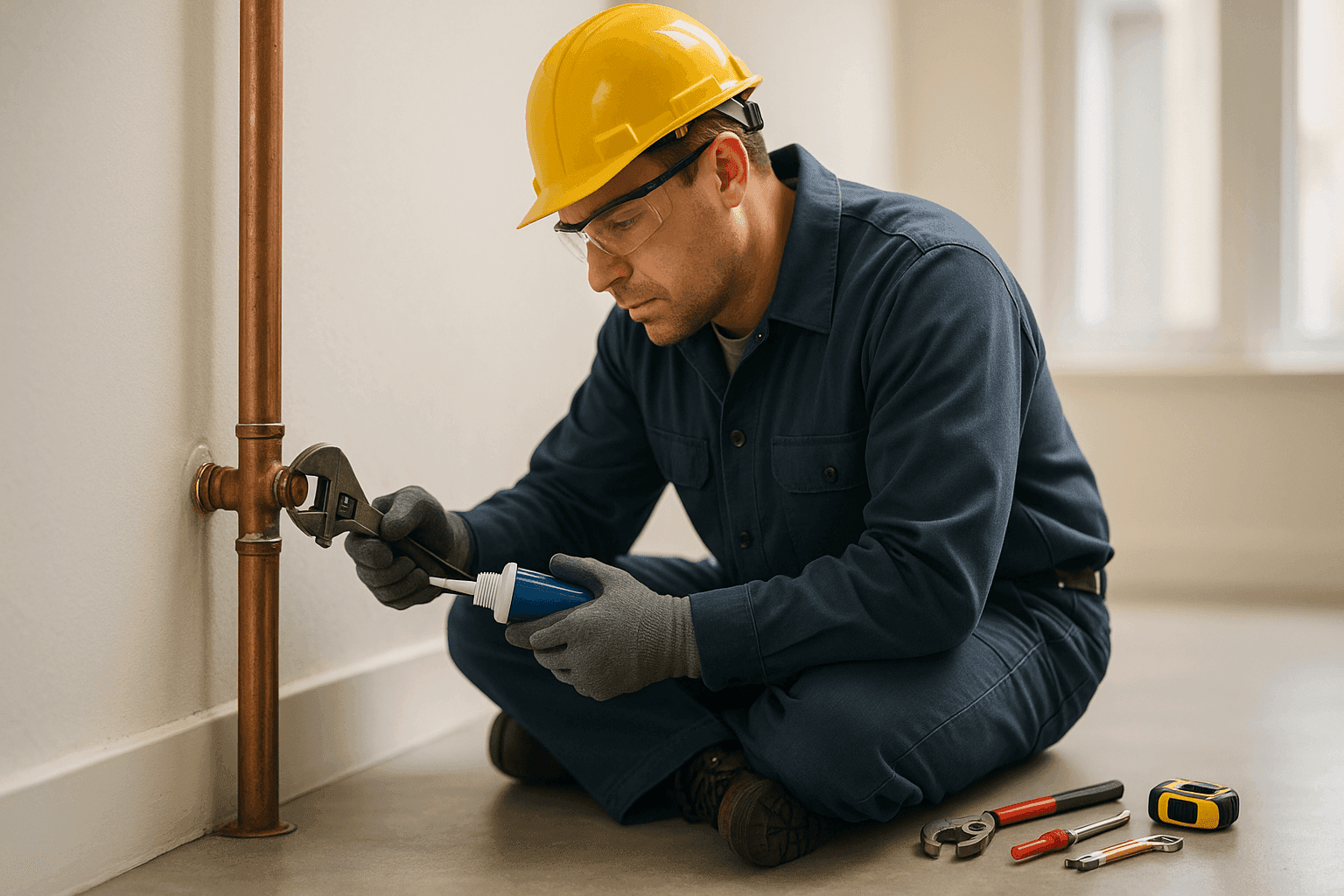
Everyone dreads the telltale drip, drip, drip of a plumbing leak. One minute, your pipes are silent and safe. The next, a puddle appears under your sink or a water stain blooms on the ceiling.
At The Four Plumbing, we know leaks don’t just waste water—they can damage your home, disrupt your day, and even put your health at risk. Whether you’re a hands-on homeowner or managing a bustling business, you want fast, reliable answers. Let’s break down how to handle leaks, when to tackle them solo, and when to call in emergency plumbing pros.
Leak Types & Causes 🚰
Leaks are like uninvited guests—they show up anywhere, anytime, and cause a mess. Knowing what you’re dealing with helps you respond quickly.
Common Leak Types
- Dripping faucets: Constant tap drip—annoying and expensive over time.
- Leaking pipe joints: Water seeping from where pipes connect.
- Under-sink puddles: Water collecting beneath bathroom or kitchen sinks.
- Ceiling stains: Leaks hidden in walls or above ceilings.
- Toilet leaks: Water around the base, or tank leaks.
- Appliance leaks: Washing machines, water heaters, or dishwashers leaving pools.
What Causes Leaks?
- Worn washers or seals: Like a sneaker with a hole, old rubber parts stop holding back water.
- Corroded pipes: Rust eats away metal, causing pinholes.
- Loose connections: Pipes shift, bolts loosen, and suddenly water escapes.
- High water pressure: Too much force can burst pipes or damage joints.
- Clogs: Backups force water to escape through weak spots.
Not sure what’s causing your leak? Don’t worry. Start with safety, then follow the clues.
Quick Safety Checklist
Before you grab your wrench or call for emergency plumbing, check these boxes:
- Turn off the water supply. Know where your main shutoff valve is—every second counts.
- Unplug nearby electrical items. Water and electricity don’t mix.
- Wear gloves and eye protection. Even clean water can irritate skin or eyes.
- Mop up standing water. Prevent slips and stop water from spreading.
- Take photos. Document damage for insurance.
If you smell gas, hear hissing, or suspect a sewage leak—stop! Evacuate and call your gas company or emergency plumbing right away.
DIY Repair Steps
Some leaks are like loose shoelaces—easy to fix with a little patience. Here’s how to patch up small leaks safely:
What You’ll Need
- Adjustable wrench
- Plumber’s tape (Teflon tape)
- Pipe repair clamp or epoxy putty
- Towels, bucket, sponge
- Flashlight
Step-by-Step: Fixing a Minor Pipe Leak
- Shut off the water. Find the nearest shutoff valve or use the main.
- Dry the area. Wipe pipes and fittings until completely dry.
- Tighten connections. Use your wrench to snug up any loose nuts or bolts.
- Wrap with plumber’s tape. For threaded joints, wrap the threads with Teflon tape before re-tightening.
- Patch the leak. For pinholes or cracks, apply pipe repair epoxy or clamp as directed on the package.
- Turn the water back on. Check for drips. If still leaking, try again or escalate.
Faucet or Under-Sink Leaks
- Replace worn washers or O-rings.
- Use a bucket to catch water while you work.
- Reassemble carefully—small parts matter.
When to Stop DIY
If the leak persists, pipes are severely corroded, or you see mold or water stains spreading, it’s time to pause. Some problems are like tangled knots—pulling harder just makes it worse.
Professional Solutions
Plumbers arrive with the right tools, training, and materials. Here’s what to expect when you call The Four Plumbing:
What Pros Do On Arrival
- Inspection: Pinpoint leak source with moisture meters, infrared cameras, or pressure tests.
- Diagnosis: Check for related plumbing issues—water pressure, corrosion, or code violations.
- Repair or replace: Cut out damaged pipe sections, install new fittings, or reseal joints according to plumbing code.
- Test: Restore water, check for leaks, and ensure safe operation.
For complex jobs—like Sump Pump Repair near you, gas line issues, or sewer line repairs—pro plumbers have the know-how and certifications required by local and national safety codes (like the Uniform Plumbing Code and National Standard Plumbing Code).
Preventing Recurrence 🛠️
Fixing a leak is only half the battle. Prevention saves you from future stress.
Maintenance Tips
- Check pipes monthly. Look under sinks, around the water heater, and behind appliances.
- Install water alarms. These buzz when moisture is detected, giving you a head start.
- Monitor water pressure. High pressure? Ask about a pressure regulator.
- Schedule annual inspections. Preventative maintenance by a pro can catch trouble early.
Upgrade Old Plumbing
If your pipes are decades old, consider repiping. Outdated materials like galvanized steel or polybutylene are more prone to leaks.
Costs & Time Factors
Leaks are unpredictable. Costs and repair time depend on:
- Location: Hidden wall leaks take longer to fix than exposed ones.
- Severity: A simple washer swap is quick; replacing a burst pipe takes longer.
- Parts: Availability of fittings and pipe material affects repair time.
- Pro vs. DIY: DIY repairs are cheaper but may not last. Professional repairs come with the right tools and materials.
Expect repairs to take anywhere from 30 minutes (tightening a fitting) to several hours (replacing sections of pipe or dealing with water damage).
When It’s an Emergency 🚨
Not all leaks are created equal. Call emergency plumbing services right away if:
- Water is flooding rooms or seeping into electrical outlets.
- You can’t stop the leak with the shutoff valve.
- There’s a risk of structural damage (sagging ceiling, buckling floor).
- You suspect a gas line or sewer leak.
Fast action can prevent thousands in damage. Your safety always comes first.
FAQ
How do I know if I have a hidden leak?
Unexplained high water bills, moldy smells, or water stains on ceilings and walls are warning signs. Listen for hissing or dripping in quiet rooms.
Can I use duct tape for pipe leaks?
Duct tape is a temporary fix at best. It may slow the leak but won’t hold under real water pressure. Use plumber's tape, epoxy, or a repair clamp instead.
Are leaks covered by insurance?
Most standard home and business policies cover sudden, accidental leaks—not slow drips from neglected maintenance. Always document damage and check your policy.
What if the leak is in my yard?
Outdoor leaks may signal a broken main, irrigation problem, or sewer line issue. These usually require professional inspection and repair.
Local & Seasonal Considerations 🌡️
Leaks don’t take a holiday. In winter, frozen pipes can burst—especially in unheated spaces. In rainy seasons, sump pumps and basement plumbing work overtime. Coastal or humid areas face higher corrosion risk.
Schedule seasonal plumbing checks, especially before temperature swings or storms. A little planning goes a long way.
Plumbing leaks can go from a drip to a disaster in no time. If you spot a leak you can’t handle—or just want the job done right—don’t wait.
Call The Four Plumbing now — or reach us anytime at 888-884-8551 .