Holiday Plumbing Emergencies: How to Avoid Disasters During Gatherings
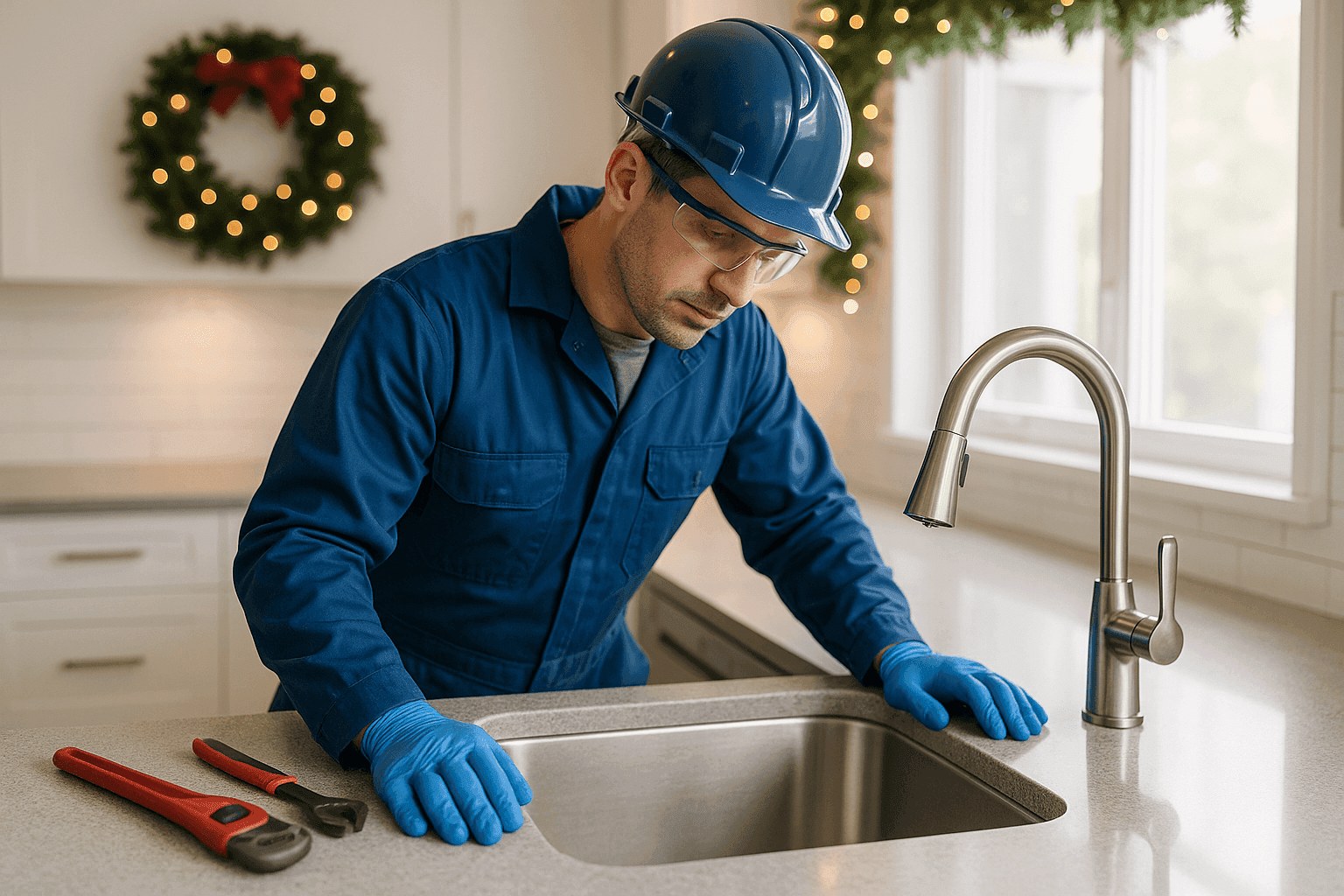
The holidays bring family, friends, and laughter—but nothing ruins a gathering faster than a plumbing disaster. At The Four Plumbing, we’ve seen kitchens flood, toilets clog, and hot water vanish at the worst possible moments.
If you’re planning to host, now’s the time to prepare. Don’t let a simple oversight turn your celebration into chaos. We’re here to guide you through the most common holiday plumbing emergencies and how to keep them from crashing your party.
Common Holiday Plumbing Problems 🎉
Holiday gatherings put your home’s plumbing to the test. More people means more strain on pipes, fixtures, and appliances. Here’s what tends to go wrong when the house fills up:
- Clogged Toilets: With more guests, toilets work overtime. One flush too many or too much paper, and suddenly nothing moves.
- Kitchen Sink Backups: Grease, food scraps, and starchy leftovers clog drains faster than you can say “seconds, please.”
- Garbage Disposal Jams: Potato peels, bones, or fibrous veggies can jam the blades and stop the party cold.
- Hot Water Shortages: Extra showers, laundry, and dishwashing drain your water heater, leaving guests shivering.
- Leaky Pipes or Fixtures: Cold weather and heavy use reveal hidden cracks or old seals on the brink.
- Flooded Basements: A neglected sump pump during a rainy holiday can leave your lower level underwater.
These issues can strike homes and businesses alike. If your plumbing is already strained, the holidays may push it to the limit.
Prevention Tips: Keep the Flow, Stop the Woe
An ounce of prevention is worth a gallon of clean-up. Here’s how to get ahead of holiday plumbing emergencies:
- Kitchen Smarts: Scrape plates into the trash, not the sink. Avoid pouring fats or oils down the drain—they solidify like candle wax in pipes.
- Toilet Talk: Place a trash can in every bathroom. Remind guests (with a friendly sign) that only toilet paper goes down.
- Stagger Showers: Give your water heater a break by spacing out showers. Consider a quick check-up if it’s older or struggling.
- Sump Pump Check: Test before guests arrive, especially if rain or melting snow is forecast.
- Inspect for Leaks: Look under sinks, behind toilets, and at exposed pipes for dampness, rust, or odd smells.
- Know Shut-Offs: Make sure you know where your main water and gas shut-offs are—just in case.
Following these simple steps can keep your pipes humming and your stress down.
Emergency Steps: What To Do When Disaster Strikes
If something goes wrong, quick thinking can limit the damage:
- Shut Off Water: Find the nearest shut-off valve—usually under the sink or beside the toilet. For bigger leaks, use the main shut-off.
- Turn Off Power: For water heater or sump pump emergencies, cut electricity to affected areas to prevent shocks.
- Contain the Mess: Use towels, buckets, or pans to catch drips and prevent water from spreading.
- Avoid Chemicals: Skip store-bought drain openers. They can make clogs worse and damage pipes.
- Ventilate: Open windows if sewage is involved—protecting your health is first.
- Call Emergency Plumbing Help: If the problem is too big or you’re unsure, contact a professional immediately.
Hosting Tips: Set Your Home Up for Success 🏠
- Stock Supplies: Have plungers in every bathroom and extra trash bags handy.
- Trash Talk: Put waste bins in obvious spots. This helps guests keep non-flushables out of pipes.
- Water Wise: Let guests know if your water pressure is sensitive. Little reminders go a long way.
- Clear the Drains: Run hot water before and after meal prep; it helps keep grease moving.
- Share Your Plan: Tell one other adult where to find shut-offs and how to call for help.
A little preparation can make you the host everyone remembers—for all the right reasons.
Quick Safety Checklist
- Plunger in every bathroom
- Trash cans in kitchens and baths
- Know the main water shut-off location
- Test sump pump if you have one
- Inspect visible pipes and hoses
- Empty grease into a can, not the sink
- Remind guests: no wipes, cotton balls, or sanitary products down toilets
DIY vs. Call a Pro
Sometimes a plunger or pipe wrench is all you need. But when should you bring in emergency plumbing help?
Try DIY If:
- The clog is local (one toilet or sink)
- You spot a slow drip, not a spray
- The garbage disposal hums but isn’t jammed
Call a Professional If:
- Water is gushing, flooding, or won’t stop
- Sewage is backing up anywhere
- You smell gas or suspect a line issue
- No water or hot water throughout the house
- Multiple fixtures back up at once (could mean a main line issue)
- You can’t find or operate shut-off valves
Remember: If you’re not sure, it’s always better to call for help. Plumbing can go from bad to worse in minutes.
What Pros Do On Arrival
When you call for emergency plumbing, here’s what the pros at The Four Plumbing will do:
- Assess the Situation: We check for immediate hazards (water, gas, electricity).
- Stop the Source: Shut off water or gas as needed.
- Diagnose Quickly: Use specialized tools (like leak detectors and drain cameras) to find the problem fast.
- Mitigate Damage: Contain leaks, clean up standing water, and protect your property.
- Plan Repairs: Explain your options clearly—no surprises.
- Restore Service: Get your home or business back to normal as quickly as safety allows.
We follow local building codes and National Standard Plumbing Code (NSPC) guidelines for every job.
Prevention & Maintenance
Want to avoid emergency plumbing calls in the first place? Here’s your simple holiday season checklist:
- Schedule a Pre-Holiday Checkup: A quick inspection can find hairline cracks, slow leaks, or worn valves.
- Install Drain Screens: Catch food scraps and debris before they become a problem.
- Flush Water Heater: Sediment builds up and lowers efficiency—consider a flush before company arrives.
- Test Backflow Prevention: Especially important for commercial kitchens and older homes.
- Check for Dripping Faucets: Even a slow drip wastes gallons and can signal bigger issues.
- Review Water Pressure: High or low pressure can strain pipes and fixtures.
Regular maintenance can feel like cleaning gutters—tedious, but it saves headaches down the road.
Costs & Time Factors
Plumbing emergencies never happen at a convenient time—or cost. Here’s what can influence the bill and the timeline:
- Severity: A small leak is faster and cheaper than a burst pipe or flooded basement.
- Time of Day: Nights, weekends, or holidays may require after-hours service.
- Parts Needed: Special valves, fixtures, or water heater components may take time to source.
- Location: Hard-to-reach pipes or appliances add time.
- Extent of Damage: Water damage can drive up costs, especially if floors or walls are affected.
As a rule of thumb, fast action limits both expense and downtime. The longer you wait, the bigger the mess.
When It’s an Emergency
Not sure if you need emergency plumbing? Here are clear signs it’s time to pick up the phone:
- Water is spilling—anywhere, from any pipe or fixture
- Sewage is present (smells, slow drains, gurgling)
- No water (or hot water) throughout the property
- Gas smells or suspected leaks—leave the building and call for help
- Persistent leaks even after shut-off
- Water heater noises or leaks
Remember, safety first. If you’re ever in doubt, treat the situation as urgent.
FAQ
What foods should I avoid putting down the disposal during holidays?
Avoid fibrous veggies (celery, asparagus), potato skins, bones, pasta, rice, and fats. The disposal is tough, but not invincible.
How can I prevent frozen pipes during winter gatherings?
Keep the heat on, open cabinet doors under sinks, and let a trickle of water run on especially cold nights. Insulate exposed pipes—especially in basements or attics.
My sump pump hasn’t run in months. Should I check it before the holidays?
Absolutely. Pour a bucket of water into the pit to test the float switch. If it doesn’t run, call for Sump Pump Repair near you.
What’s the best way to handle a sudden toilet overflow?
Quickly shut off the water valve behind the toilet. Use a plunger if safe, and call for help if the problem doesn’t resolve immediately.
Local/Seasonal Considerations ❄️
Winter holidays bring unique plumbing challenges. In colder regions, pipes can freeze and burst—especially in older homes or seldom-used spaces. Heavy rain or melting snow can overwhelm sump pumps and basement drains.
If you run a commercial kitchen, health codes require functional backflow prevention and regular sewer line inspection. The stakes are even higher when feeding a crowd.
Plan ahead, and your holiday will be memorable for all the right reasons.
When a plumbing emergency threatens your gathering, you don’t have to face it alone. Call The Four Plumbing now — or reach us anytime at 888-884-8551 .