Gas Safety Checks: Protect Your Family or Business From Leaks
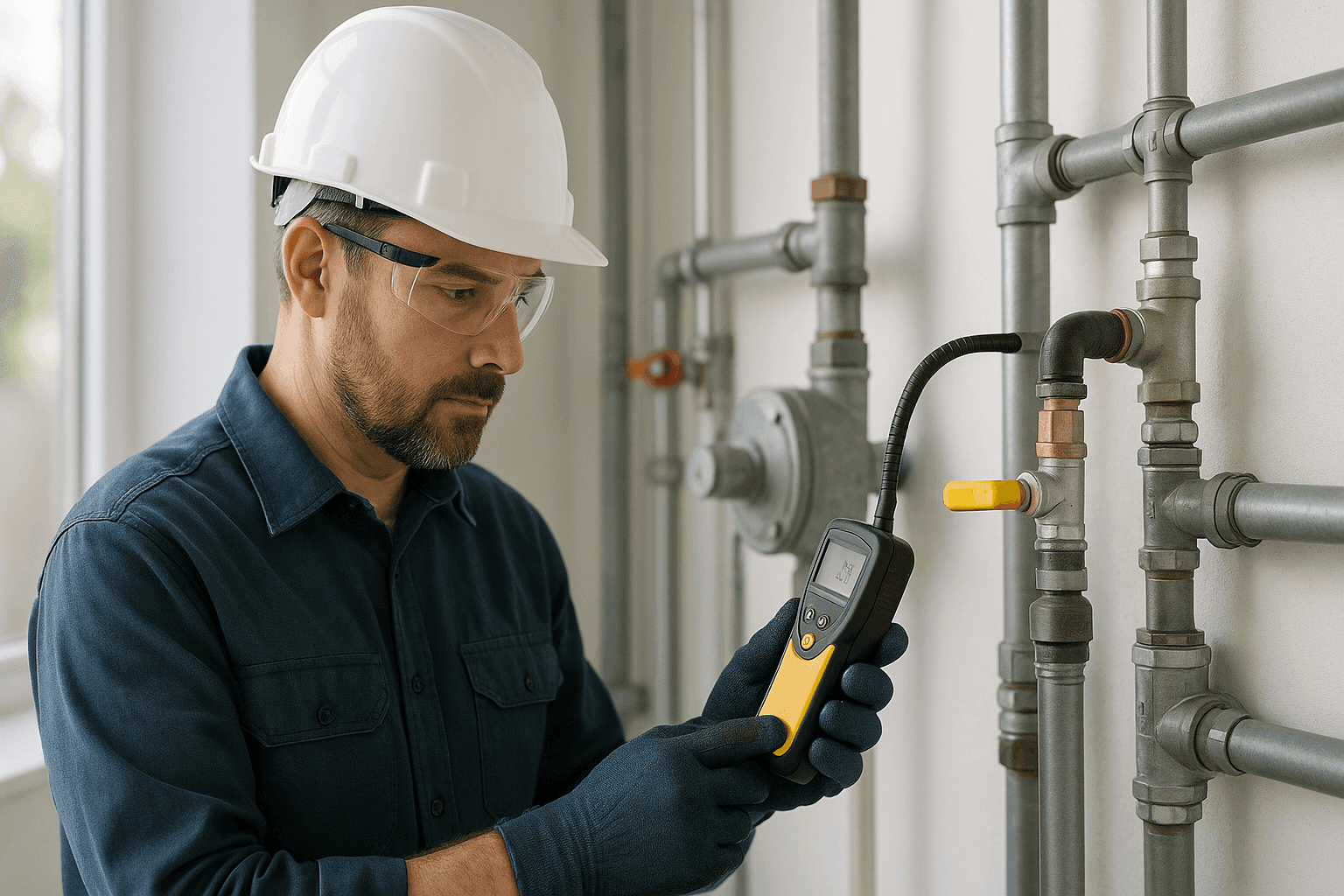
Gas can be a silent threat. You can’t always see it, smell it, or hear it leaking. But when something goes wrong, the consequences can be devastating—fast. At The Four Plumbing, we’ve seen how quickly a small leak can become a major risk to families and businesses.
Gas safety isn’t just about ticking a box—it's about peace of mind. Every year, homes and workplaces are evacuated due to preventable gas leaks. Fires, explosions, and health emergencies all trace back to tiny cracks or loose fittings. Regular gas safety checks are your first shield.
Why Gas Safety Matters 🛑
Imagine a slow drip in a faucet. Annoying, but not dangerous. Now picture that drip is gas instead of water. It’s invisible, but it’s filling the air—waiting for a spark. That’s how leaks start: quietly, in the background, until they take center stage.
Gas leaks can cause:
- Fires or explosions that start in seconds
- Carbon monoxide poisoning (which can be fatal)
- Headaches, dizziness, or nausea from exposure
- Expensive property damage and business shutdowns
According to the U.S. Consumer Product Safety Commission, over 400 deaths each year in the U.S. are linked to carbon monoxide poisoning—often from faulty gas appliances. The risks aren't just “maybe someday.” They’re real, right now.
How Gas Safety Checks Work
A gas safety check is like a routine checkup for your heart—but for your property. Our licensed technicians use advanced detection tools and follow strict safety codes. Here’s what happens during a professional check:
- Visual inspection of all accessible gas lines, valves, and joints
- Testing for leaks using certified detectors and soapy water
- Checking appliance connections and pilot lights
- Measuring carbon monoxide levels near gas appliances
- Ensuring ventilation meets local code requirements
- Reviewing the condition of shut-off valves and emergency controls
We follow guidelines set by the National Fire Protection Association (NFPA54) and local building codes. Commercial properties may have extra requirements, but every check is thorough—no cutting corners.
Signs of Gas Leaks You Should Never Ignore
Gas doesn’t always announce itself with a bang. Often, the warning signs are subtle. Watch for:
- That “rotten egg” smell (added to gas for safety)
- Hissing or whistling near pipes or appliances
- Dead or discolored plants above buried gas lines
- Bubbles in standing water outdoors
- Soot, scorch marks, or pilot lights that won’t stay lit
- Unexplained dizziness, headaches, or nausea indoors
If you spot any of these, act fast. Open windows, leave the building, and call emergency plumbing services near you.
Legal and Insurance Requirements
Gas safety isn’t just smart—it’s often the law. Homeowners, landlords, and businesses all face strict rules:
- Rental properties: Many states require annual safety checks and carbon monoxide detectors.
- Commercial buildings: Local codes may demand regular professional inspections and records for insurance.
- Insurance policies: Claims after a gas incident may be denied if you skipped required maintenance.
Check your local building authority or fire marshal for the latest mandates. Don’t wait for a letter from your insurer—or worse, a disaster—to find out you’re out of compliance.
Quick Safety Checklist
Stay ahead of gas risks with these simple steps:
- Inspect visible gas pipes for signs of rust, wear, or damage
- Test carbon monoxide detectors monthly
- Make sure appliances have clear ventilation
- Don’t block or cover gas meters or valves
- Know where your emergency gas shut-off is, and how to use it
- Book a licensed gas safety check at least once a year
A few minutes each month can prevent hours of chaos later.
DIY vs. Call a Pro
It’s tempting to handle things yourself—especially for busy homeowners or building managers. But gas lines aren’t like clearing a clogged toilet. The stakes are high, and mistakes can be deadly.
DIY:
- You can check detectors, look for visible damage, and keep vents clear.
- Never try to repair, reroute, or “tighten up” a gas line on your own.
Call a Pro:
- Certified plumbers have the tools to find invisible leaks.
- Professional repairs follow code and keep insurance valid.
- Emergency plumbing teams know exactly how to shut down, repair, and restart systems safely.
If you ever smell gas, don’t take risks. Call emergency plumbing services near you immediately.
What Pros Do On Arrival
When The Four Plumbing arrives for a gas safety check—or an emergency—we move fast but methodically:
- Inspect and secure the site for safety.
- Use electronic detectors to pinpoint leaks, even behind walls.
- Test gas pressure and appliance function.
- Make safe, code-compliant repairs as needed.
- Restore service only when every risk is cleared.
We carry full licensing and stay current on national and local codes. Our goal: keep you, your family, or your business safe from the unseen.
Prevention & Maintenance
Don’t wait for a scare to get proactive. Preventative maintenance is your best defense:
- Schedule annual inspections—especially before heating season or after renovations.
- Replace aging appliances and flexible gas connectors as recommended by the manufacturer.
- Keep the area around gas appliances clutter-free.
- Teach everyone in your home or staff where the shut-off valve is located.
- Review safety procedures at least once per year.
The U.S. Department of Energy recommends regular maintenance of gas appliances to extend their lifespan and reduce risk.
Costs & Time Factors
A typical gas safety check is affordable—especially compared to the cost of a leak or fire. Factors that affect the price and time:
- Size and age of the property
- Number of gas appliances
- Accessibility of pipes and meters
- Emergency vs. routine call-outs
Most checks take between 45 minutes and 2 hours. Emergency repairs may take longer, depending on the severity and location of the leak.
When It’s an Emergency
Smell gas? Hear hissing? Don’t wait.
- Evacuate everyone—don’t stop to grab belongings.
- Leave doors open as you go.
- Don’t use electrical switches, phones, or anything that could spark.
- Call emergency plumbing services from a safe distance.
The Four Plumbing responds 24/7. Fast action saves lives and property.
FAQ
How often should I schedule a gas safety check?
At least once per year for homes. Commercial and rental properties may need more frequent checks based on local code.
Is a carbon monoxide detector enough protection?
Detectors are vital, but they don’t prevent leaks or catch all issues. Regular inspections are still required.
What if my gas appliances seem to work fine?
Leaks can occur in pipes or connections, not just in appliances. “Working fine” doesn’t mean “risk-free.”
Are gas safety checks required for new properties?
Yes—every new installation should be inspected before use, and after any renovation or repair.
Local and Seasonal Considerations 🌡️
Cold weather brings extra strain on gas heating systems. Pipe joints expand and contract, making leaks more likely. After storms or construction work nearby, always check for new warning signs.
In older neighborhoods, aging infrastructure raises the stakes. If you’re unsure about your property’s history, schedule a check ASAP.
Gas safety isn’t a luxury—it’s a necessity for every home and business. Don’t gamble with invisible threats. Call The Four Plumbing for emergency plumbing, gas safety checks, or Sump Pump Repair near you.
Call The Four Plumbing now — or reach us anytime at 888-884-8551 .