Gas Line Installation & Safety: What Homeowners Need to Know
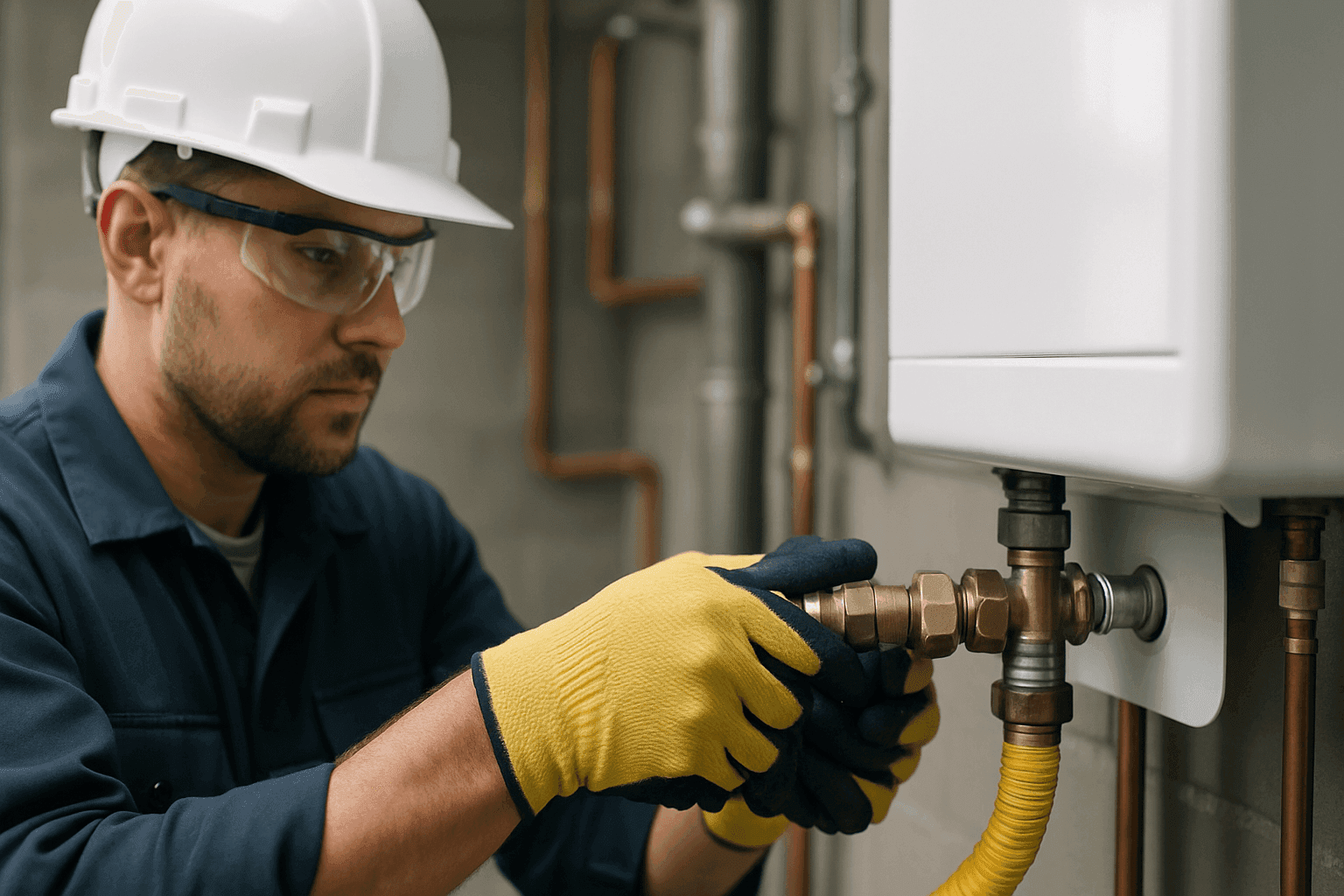
Gas. It powers your stove, heats your water, and keeps the winter chill at bay. But behind those comforts lies a serious responsibility. One wrong move with a gas line can turn a cozy home into a dangerous place. That’s why so many homeowners and businesses turn to The Four Plumbing for safe, code-compliant installation and emergency plumbing support.
If you’re considering a gas line project—or you’ve noticed something off with your system—this guide is for you. We’ll break down the steps, the warning signs, and the crucial safety checks so you know exactly what to expect.
Why Hire a Pro? 🛠️
You wouldn’t let just anyone rewire your electrical panel. Gas line installation is no different. These lines carry combustible fuel right into your home or workplace. One loose fitting or overlooked crack, and there’s a real risk of leaks, fire, or worse.
Here’s why calling a licensed plumbing professional is non-negotiable:
- Legal Requirements: Most states and cities require licensed pros for gas work. It’s not just a rule—it’s law.
- Insurance and Liability: DIY work can void your homeowner’s insurance if something goes wrong.
- Code Compliance: Professionals stay updated on national and local codes (like the International Fuel Gas Code and NFPA 54).
- Specialized Tools: Detecting leaks, pressure-testing, and ensuring secure joints require equipment and know-how.
- Peace of Mind: An experienced technician knows what to look for—and what to avoid. Your safety is their priority.
Installation Steps: What Happens During Gas Line Work
Every job is unique, but safe gas line installation usually follows a roadmap. Here’s what you can expect from The Four Plumbing:
1. Site Assessment & Planning
- Survey the property—inside and out.
- Identify existing lines, appliances, and shut-off valves.
- Plan the route for new pipes with minimal disruption to walls or landscaping.
2. Material Selection
- Choose the right pipe (black iron, corrugated stainless steel tubing, or approved alternatives).
- Select connectors, shut-offs, and protective fittings rated for your specific use.
3. Permitting & Code Checks
- File for all necessary local permits before starting.
- Confirm plans align with the latest building codes.
4. Installation Process
- Shut off main gas supply.
- Cut, fit, and secure new pipe sections.
- Seal all joints with approved compounds.
- Install excess flow valves and sediment traps as required.
5. Pressure Testing
- Pressurize the system with air or inert gas (not natural gas) to check for leaks.
- Inspect all joints and connections.
6. Final Inspection & Turn-On
- Schedule local authority inspection.
- If approved, restore gas supply and test appliances.
Throughout the process, safety comes first. No shortcuts. No guesswork.
Gas Leak Warning Signs: Know Before It’s Too Late 🚨
A gas leak is invisible, but it’s never silent. Learn to recognize the signs so you can act fast:
- Rotten Egg Smell: Utility companies add mercaptan, a sulfur-like odor, to help you detect leaks quickly.
- Hissing or Whistling: Sound near gas appliances or lines? That’s a red flag.
- Dead Vegetation: Gas leaks can kill grass or plants above buried lines.
- Physical Symptoms: Headaches, dizziness, nausea, or confusion indoors.
- Unusual Pilot Lights: Flames that flicker, burn yellow/orange, or go out.
If you notice any of these signs, evacuate immediately and call your gas utility. Then call emergency plumbing help, like The Four Plumbing.
Safety Codes & Inspections
Safe gas line installation isn’t just about good intentions—it’s about strict standards. Here’s what’s covered:
- International Fuel Gas Code (IFGC): Sets minimum requirements for materials, sizing, and installation.
- NFPA 54 (National Fuel Gas Code): Lays out fire prevention and system design standards.
- Local Amendments: Cities may add extra rules or inspection steps.
After installation, an official inspection is not just a formality. Inspectors check for leaks, verify pressure test results, and confirm that shut-offs are accessible. Only after passing inspection should the gas be turned on.
Quick Safety Checklist
- Only use licensed, insured plumbers for gas work.
- Never ignore a sulfur or rotten egg smell.
- Keep pathways to shut-off valves clear and accessible.
- Schedule routine inspections—especially after renovations.
- Know your emergency shut-off procedure.
DIY vs. Call a Pro
It’s tempting to treat home repairs as weekend projects. But gas line installation is more like defusing a bomb than hanging a picture frame. Here’s why you should resist the DIY urge:
- Risk of Explosion: Even a tiny leak can ignite with a single spark.
- Hidden Dangers: Gas lines often run inside walls, under floors, or underground—out of sight, out of mind.
- Legal Trouble: DIY installations that don’t meet code can lead to fines or denied insurance claims.
- Costly Mistakes: One error can turn a small project into a major emergency plumbing job.
Certain things are better left to the pros. Gas work is at the top of that list.
What Pros Do On Arrival
When you call The Four Plumbing, here’s what happens next:
- Immediate Safety Assessment: Technicians check for dangerous levels of gas and secure the site.
- Leak Detection: Using gas detectors and bubble solution, we pinpoint leaks—visible and hidden.
- Isolation & Shut-Off: The affected section is isolated, and gas supply is safely shut off.
- Repair or Replacement: Damaged sections are repaired or fully replaced, using code-approved methods.
- Testing: The system is pressure-tested before being put back into service.
- Documentation: All work is logged for your records and for inspection.
If you’re searching for “emergency plumbing near you,” you want a team that’s thorough from start to finish.
Prevention & Maintenance
An ounce of prevention beats a pound of repair. Here’s how to keep your gas system healthy:
- Annual Inspections: Schedule yearly checkups, especially for older homes or commercial properties.
- Appliance Upkeep: Make sure your water heaters, stoves, and boilers are serviced regularly.
- Monitor Appliances: Watch for odd smells, sounds, or pilot light behavior.
- Protect Lines: If you’re landscaping or renovating, know where gas lines run to avoid accidental damage.
- Backflow Prevention: Install devices to stop contaminants from entering your gas and water lines.
Following these habits reduces the risk of leaks—and the need for urgent pipe repair or leak detection later.
Costs & Time Factors
Gas line installation isn’t one-size-fits-all. Here’s what affects the price and schedule:
- Length of Run: Longer lines cost more in materials and labor.
- Type of Pipe: Black iron is sturdy but pricier than CSST (corrugated stainless steel tubing).
- Accessibility: Reaching lines inside finished walls or underground takes more time.
- Permits & Inspections: Fees and wait times vary by city and project scope.
- Appliance Upgrades: Adding or replacing gas appliances can change the job requirements.
Most installations take anywhere from several hours to a couple of days. Emergency repairs are typically faster—but may involve after-hours charges.
When It’s an Emergency
Some situations can’t wait. If you suspect a gas leak:
- Evacuate Everyone: Don’t stop to investigate.
- Don’t Use Electronics: Avoid switches, phones, or anything that could spark.
- Open Windows/Doors: If safe to do so, let gas dissipate.
- Call Your Gas Utility: Report the emergency from a safe distance.
- Contact Emergency Plumbing: Once cleared by the utility, call The Four Plumbing for repairs.
Prompt action can prevent disaster. Keep our number handy for any emergency plumbing needs.
FAQ
How often should I have my gas lines inspected?
Most experts recommend an annual inspection. Older properties or those with frequent appliance changes may need more frequent checks.
Can I add a gas line for a new grill or appliance myself?
No. Even small projects should be handled by licensed professionals to meet code and insurance requirements.
What’s the difference between a gas plumber and a general plumber?
All plumbers should be licensed for gas work in your state. Make sure your technician holds the right certifications for gas line installation and repairs.
What if my gas line fails an inspection?
The line will need repairs or replacement before gas service is restored. Your plumber will provide a detailed report and complete all necessary work to bring your system up to code.
Local & Seasonal Considerations 🌡️
Winter cold snaps and summer construction each bring unique risks:
- Freeze-Thaw Cycles: In cold regions, shifting soil can stress buried pipes. Schedule inspections after harsh winters.
- Storms & Flooding: Heavy rain or flooding can expose or damage underground lines.
- Construction Season: Digging or renovation work in spring and summer increases the odds of accidental line damage. Always call before you dig.
If you ever need “Sump Pump Repair near you” or help with backflow prevention, The Four Plumbing can coordinate multiple services during a site visit.
Safe gas line installation is more than a project—it’s protection for your home, business, and peace of mind. Don’t wait for a problem to become an emergency.
Call The Four Plumbing now — or reach us anytime at 888-884-8551 .