Garbage Disposal Repair & Maintenance: Complete Homeowner Guide
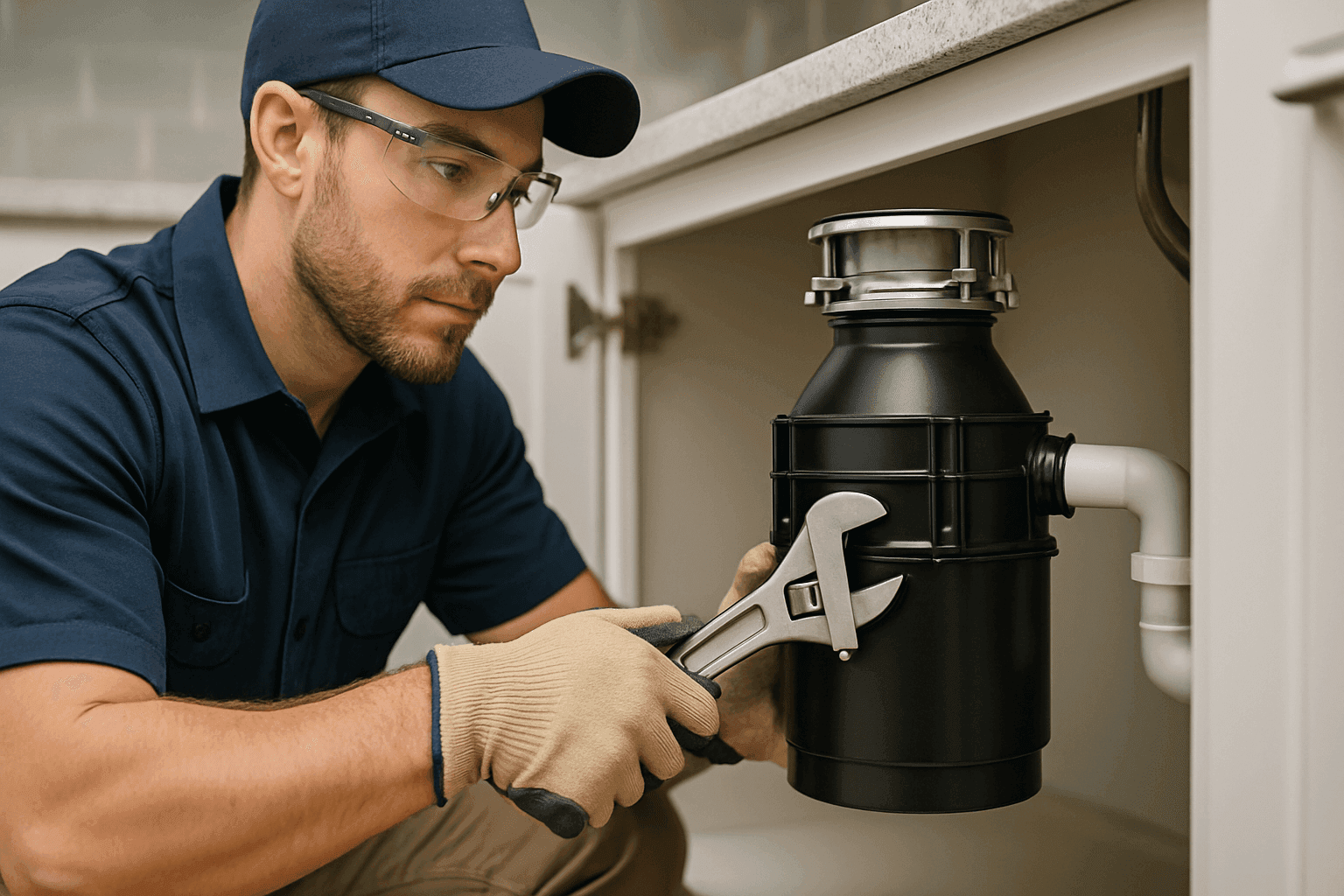
Ever had your garbage disposal grind to a halt right when you need it most? The kitchen fills with the sound of a stubborn motor—or worse, silence. If you’ve faced a jam, clog, or odd smell, you’re not alone. At The Four Plumbing, we know these moments always seem to happen at the worst possible time.
A broken disposal can throw off your whole day. But here’s good news: many issues have quick fixes if you know how to handle them safely. Whether you’re a homeowner or managing a commercial kitchen, this guide will walk you through repairs, maintenance, and when to call for emergency plumbing help.
Why Garbage Disposals Jam and Fail
Sometimes, a garbage disposal is like a traffic jam at rush hour: too much, too fast, and the whole thing grinds to a stop. Here’s why disposals jam or break down:
- Wrong items: Fibrous foods, bones, grease, or even glass can tangle the blades or clog the drain.
- Overloading: Dumping too much at once overwhelms the system.
- Lack of water: Running the disposal dry is like trying to swallow without saliva. It just doesn’t work.
- Wear and tear: Over time, blades dull, seals crack, and motors burn out.
Most units are built tough, but not invincible. Even a spoon dropped accidentally could cause a headache.
Quick Safety Checklist Before Any DIY ⚡
Think of your garbage disposal as a hungry, hidden blender. Safety first—always. Electrical accidents and sharp blades are serious.
- Unplug or switch off power: Find the plug under your sink or turn off the breaker.
- Never put your hand inside: Use tongs or pliers to remove objects. Fingers and blades don’t mix.
- Use a flashlight: Good light helps you see what’s stuck.
- Keep water handy: To flush and test after repairs.
- Wear gloves: Protect your hands from sharp edges and grime.
Remember: If in doubt, don’t risk it. Electrical shocks and deep cuts are not DIY trophies.
Step-by-Step DIY Repair: Clearing Common Disposal Problems
You don’t need a toolbox the size of a car to clear most jams. Here’s how to get your disposal humming again:
1. It Won’t Turn On
- Check the reset button: Underneath the unit, there’s usually a red or black button. Press it.
- Inspect the power: Plug loose? Breaker tripped? Double-check.
- No luck? Time to stop—don’t force it.
2. It Hums but Doesn’t Grind
- Unplug or disconnect power first.
- Insert a hex wrench (often included) into the center hole on the underside. Turn back and forth to free stuck blades.
- Remove debris with tongs, not hands.
3. It Drains Slowly or Smells Bad
- Flush with cold water for 30 seconds after each use.
- Use baking soda and vinegar: Pour ½ cup baking soda, then 1 cup vinegar. Let bubble for 10 minutes, flush with hot water.
- Never use chemical drain cleaners: They can damage pipes and void warranties.
4. Leaks or Water Under the Sink
- Tighten mounting bolts at the top ring.
- Check hose connections—inlet and drain lines may need adjusting.
- If you spot cracks in the housing, replacement is likely.
If you run into persistent issues, especially with wiring or leaks from the base, call a professional. Water and electricity are not a DIY combo.
Regular Maintenance for a Long-Lasting Disposal 🛠️
A little care goes a long way. Disposals, like cars, run best with regular tune-ups:
- Run cold water before, during, and after each use.
- Cut up large items: Feed scraps gradually—no dumping leftovers all at once.
- No grease, coffee grounds, or fibrous foods (think celery, corn husks).
- Monthly deep clean: Ice cubes and a bit of rock salt help clean blades. Drop some lemon peel for fresh scent.
- Listen and observe: Odd noises or vibrations mean trouble is brewing.
Follow manufacturer instructions—many recommend regular checks and cleaning for safety and performance (see Consumer Product Safety Commission guidelines).
When to Replace Your Garbage Disposal
Even the toughest disposal has a lifespan. Here’s when it may be time to let go:
- Frequent resets needed: Indicates electrical or internal issues.
- Persistent leaks or cracks in the housing.
- Blades dull or jam often despite cleaning.
- Motor won’t run, even after resets and checks.
- Unit is over 10–12 years old: Newer models are quieter, safer, and more efficient.
If your disposal’s become a money pit, replacement may be more cost-effective than repair.
When to Call a Professional (and What to Expect)
Some fixes are best left to those with training and tools:
- Major leaks
- Electrical problems
- Loud grinding or screeching noises
- Repeated jams that don’t resolve
A professional plumber will:
- Inspect the unit: Check power, wiring, and plumbing connections.
- Remove jams safely: Using specialized tools.
- Test for leaks and proper operation: Ensuring seals and hoses are sound.
- Advise on replacement: If the unit’s unsafe or beyond repair.
If you’re searching for “emergency plumbing” or “garbage disposal repair near you,” time is of the essence—especially if water is leaking into cabinetry or wiring.
Prevention & Maintenance Tips
Want to keep your disposal humming, not grumbling? Make these habits routine:
- Run it regularly: Prevents rust and corrosion.
- Flush with cold water: Hot water can melt fats, which solidify later and clog pipes.
- Feed gradually: Like a careful cook adding ingredients, not a hurried chef dumping everything at once.
- No stringy or starchy foods: Potato peels, pasta, and onion skins can wrap around blades.
- Ice cubes: Once a month, grind a handful to clean the chamber.
The International Association of Certified Home Inspectors (InterNACHI) recommends regular checks and prompt repairs for any signs of trouble.
Costs & Time Factors: What to Expect
Repair costs and time depend on the issue:
- Simple jams: Can take 10–20 minutes if you DIY. Minimal cost—maybe just a new hex wrench.
- Clogs or drain issues: May take 30–45 minutes, especially if pipes need clearing.
- Leaks or electrical fixes: Professional repairs may take an hour or more.
- Replacement: Installing a new unit usually takes 1–2 hours.
Parts and labor vary. Complex issues (major leaks, motor failure) are pricier. Always ask for an estimate before work begins.
When It’s an Emergency 🚨
Some situations call for immediate help—don’t wait if:
- Water is flooding under your sink
- Electrical sparks or burning smells
- Kitchen sink is completely unusable
Prompt response prevents bigger headaches: water damage, mold, or electrical fires. The Four Plumbing is ready 24/7 for true emergencies. If you need “emergency plumbing near you,” don’t hesitate.
FAQ: Garbage Disposal
Q: What can I safely put in my disposal?
A: Small food scraps, soft items. Avoid bones, pits, shells, grease, and fibrous foods.
Q: Why does my disposal smell?
A: Food buildup or grease. Clean with baking soda and vinegar, and always flush with water.
Q: Is it okay to use hot water?
A: Use cold when grinding food. Hot water can melt fats that later clog pipes.
Q: How often should I replace my garbage disposal?
A: Most last 10–12 years. Replace sooner if repairs are frequent or it leaks.
Local and Seasonal Considerations
Temperature changes can affect plumbing. In colder months, grease solidifies faster—never pour it down the drain. Regional holidays may mean more food waste—run your disposal regularly to avoid surprise jams after big gatherings.
If you’re in an area prone to severe storms, sump pump repair and emergency plumbing services go hand-in-hand with kitchen maintenance. Always stay alert for water leaks or electrical issues after heavy rainfall.
For safe, reliable garbage disposal repair—or any kitchen plumbing challenge—Call The Four Plumbing now — or reach us anytime at 888-884-8551 .