Fixture Installation: Choosing & Installing Faucets, Sinks & Showers
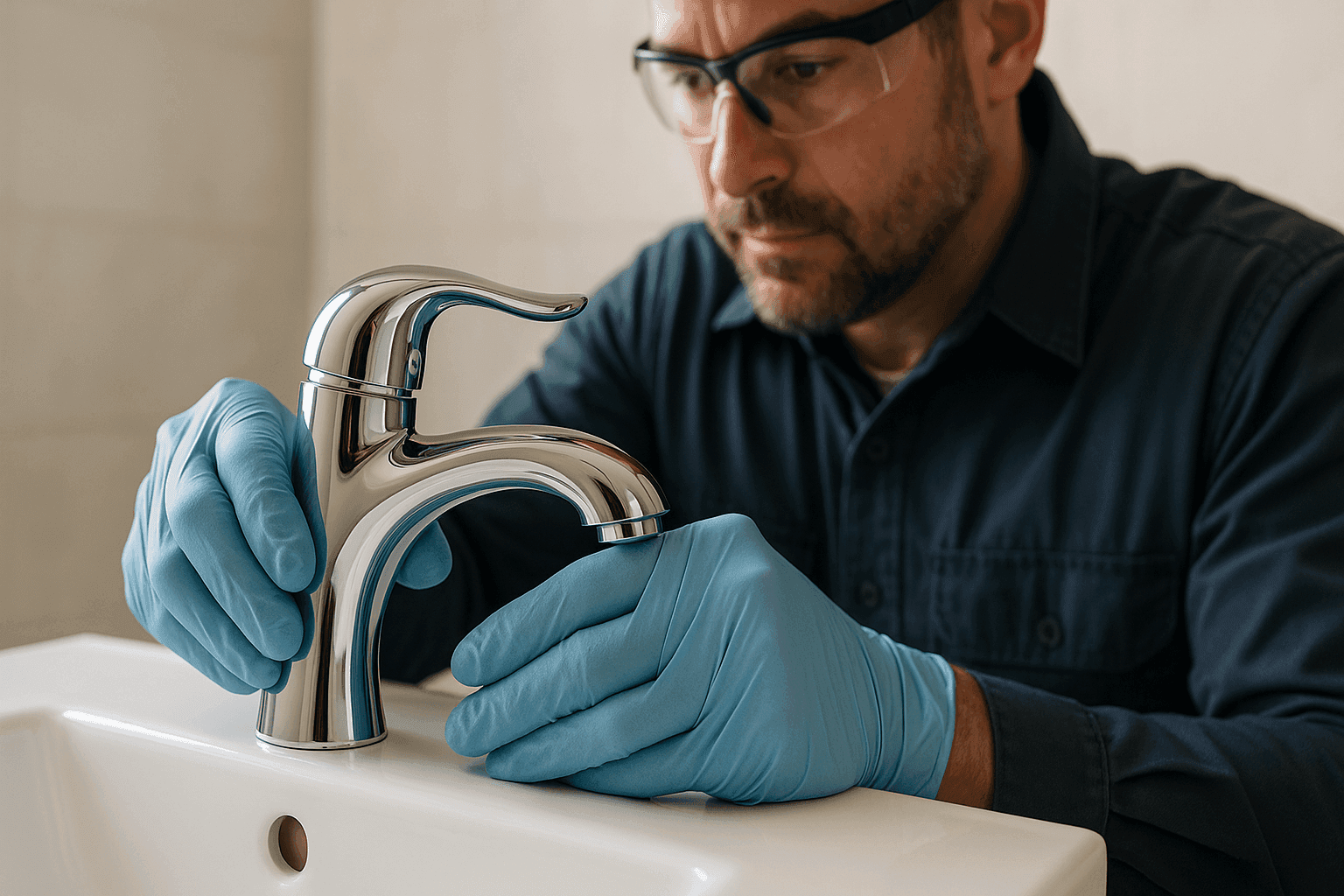
Ever tried to wash your hands at a sink where the faucet wobbles like a loose tooth? Or take a shower that sprays in all directions except down? Small frustrations. But over time, leaky or poorly installed plumbing fixtures become headaches that can lead to bigger issues—water damage, wasted money, and the need for emergency plumbing at the worst possible moment. At The Four Plumbing, we’ve seen it all, and we’re here to help you do things right the first time.
Faucets, sinks, and showers aren’t just hardware. They’re the heart of kitchens and bathrooms—where days begin and end. Whether you’re a homeowner upgrading for style or a business manager focused on reliability, fixture installation is one project where details really matter.
Choosing the Right Fixture 🚰
Imagine picking running shoes. You wouldn’t grab the first pair off the shelf. Likewise, choosing faucets, sinks, or showers isn’t about looks alone. A fixture that fits your space, needs, and local plumbing codes is key to long-term satisfaction.
Here’s what to weigh:
- Material: Brass, stainless steel, and chrome last longer. Plastic fixtures may cost less now but often wear out faster.
- Mounting Style: Wall-mount or deck-mount? Know your countertop or wall setup before you buy.
- Fit: Measure twice! Replacing an old sink or faucet? Match hole sizes and spread (distance between handles).
- Valve Type: Ceramic disk valves resist leaks better than compression valves. Look for this on the packaging.
- Water Efficiency: WaterSense-labeled faucets and showerheads save water and money.
- Warranty: A longer manufacturer’s warranty can signal better quality. Keep your receipts.
- Code Compliance: Confirm fixtures meet local plumbing and building codes. Check with your municipality or reference the International Plumbing Code (IPC).
Pro tip: Commercial spaces may require ADA-compliant fixtures and anti-scald valves. Residential homes with young children or seniors benefit from these features too.
Installation Steps
There’s no shame in pausing before you grab a wrench. Good installation is like assembling furniture—miss a step and you’ll feel it every day.
1. Shut Off the Water
Locate shut-off valves under the sink or behind the fixture. If there’s no local valve, turn off the main. Test by turning on the faucet or shower to drain residual water.
2. Remove the Old Fixture
- Use a basin wrench for hard-to-reach nuts.
- Be gentle—old plumbing can be brittle.
- Clean the surface and inspect for mold, corrosion, or damage.
3. Prep the Area
- Lay down towels to catch drips.
- Dry-fit the new fixture to check alignment and fit.
- Wrap threaded connections with plumber’s tape for leak prevention.
4. Install the New Fixture
- Faucets: Lower into holes, secure with washers and nuts from below. Avoid overtightening.
- Sinks: Apply a bead of silicone caulk around the rim. Set in place. Attach clips underneath.
- Showers: Connect supply lines and secure the valve. Seal escutcheons (the metal plates) with silicone to block water ingress.
5. Connect Supply Lines
Flexible braided hoses make life easier. Hand-tighten, then snug with a wrench—never force.
6. Test for Leaks
Turn water back on slowly. Watch every connection. One drop can become a flood over time.
7. Clean Up and Check Operation
Wipe away drips. Check hot and cold. Watch for slow leaks over the next 24 hours.
Safety reminder: Any gas or electrical work (like instant hot water at the sink) should be left to licensed professionals.
Maintenance Tips
A properly installed faucet or sink can last decades if you treat it right.
- Wipe down fixtures weekly to prevent mineral buildup.
- Check under sinks and behind showers for signs of moisture.
- Replace washers and cartridges at the first sign of drips.
- Keep aerators clean by soaking in vinegar every few months.
If you hear hissing, see rust, or notice water pressure dropping, it could signal a hidden leak or backflow issue. That’s when “Sump Pump Repair near you” or emergency plumbing services become more than a search term—they’re a necessity.
When to Call a Pro 🛠️
Sometimes a fixture install is as simple as swapping a lightbulb. Other times, it’s like rewiring your house in the dark. Here’s when you should pick up the phone:
- You spot corrosion or unusual pipework.
- There’s no shut-off valve, or it won’t turn.
- You’re dealing with gas lines, electrical, or complex commercial setups.
- The fixture requires code inspection or permitting.
- You notice persistent leaks after install.
A licensed plumber from The Four Plumbing ensures everything meets building codes (like those from the International Association of Plumbing and Mechanical Officials) and manufacturer specs. That keeps your warranty valid and gives you peace of mind.
Code Compliance and Warranties
Think of plumbing codes as road signs—they’re there for your safety and to prevent hazards. Local rules may dictate what types of fixtures are allowed, how backflow prevention is handled, or what materials are acceptable for potable water lines. Always check your city or county requirements before starting.
Warranties are another layer of protection. Most manufacturers require professional installation to honor coverage. Save your receipts and product documentation.
Avoiding Common Mistakes
Even seasoned DIYers slip up. Watch for these pitfalls:
- Forgetting to shut off the water (flood alert!).
- Over-tightening connections (cracked fittings are no fun).
- Skipping the plumber’s tape or silicone sealant.
- Ignoring manufacturer instructions.
- Not checking for leaks after installation.
A few extra minutes double-checking your work can save hours—and hundreds of dollars—down the line.
Frequently Asked Questions
Q: Can I install a new faucet or sink myself?
A: If you’re comfortable with basic tools and have shut-off valves, many installations are DIY-friendly. For anything involving gas, electrical, or complex plumbing, call a professional.
Q: How do I know if my fixture needs replacing or just repair?
A: Persistent leaks, corrosion, or hard-to-turn handles usually mean it’s time for a new fixture. Sometimes, replacing a cartridge or washer is all that’s needed.
Q: Are there special requirements for commercial fixtures?
A: Yes. ADA compliance, higher flow rates, and anti-scald valves are common in commercial settings. Always check regulations.
Q: What’s the most common installation mistake you see?
A: Skipping leak checks and not using plumber’s tape on threaded connections. Both can lead to slow, damaging leaks.
Local & Seasonal Considerations 🌦️
In colder climates, ensure exposed pipes and fixtures are insulated to prevent freezing. During dry seasons, mineral buildup can accelerate—clean aerators more often. For multi-unit buildings or commercial spaces, schedule fixture upgrades during low-traffic hours to minimize disruption.
Final Thoughts
Installing a faucet, sink, or shower isn’t just about looks—it’s about keeping your home or business running smoothly. The right fixture, installed the right way, brings comfort, saves water, and helps you avoid emergency plumbing disasters. Don’t cut corners. When in doubt, always err on the side of safety and code compliance.
Call The Four Plumbing now — or reach us anytime at 888-884-8551 .