Drain Cleaning Methods: Safe DIY & Professional Solutions
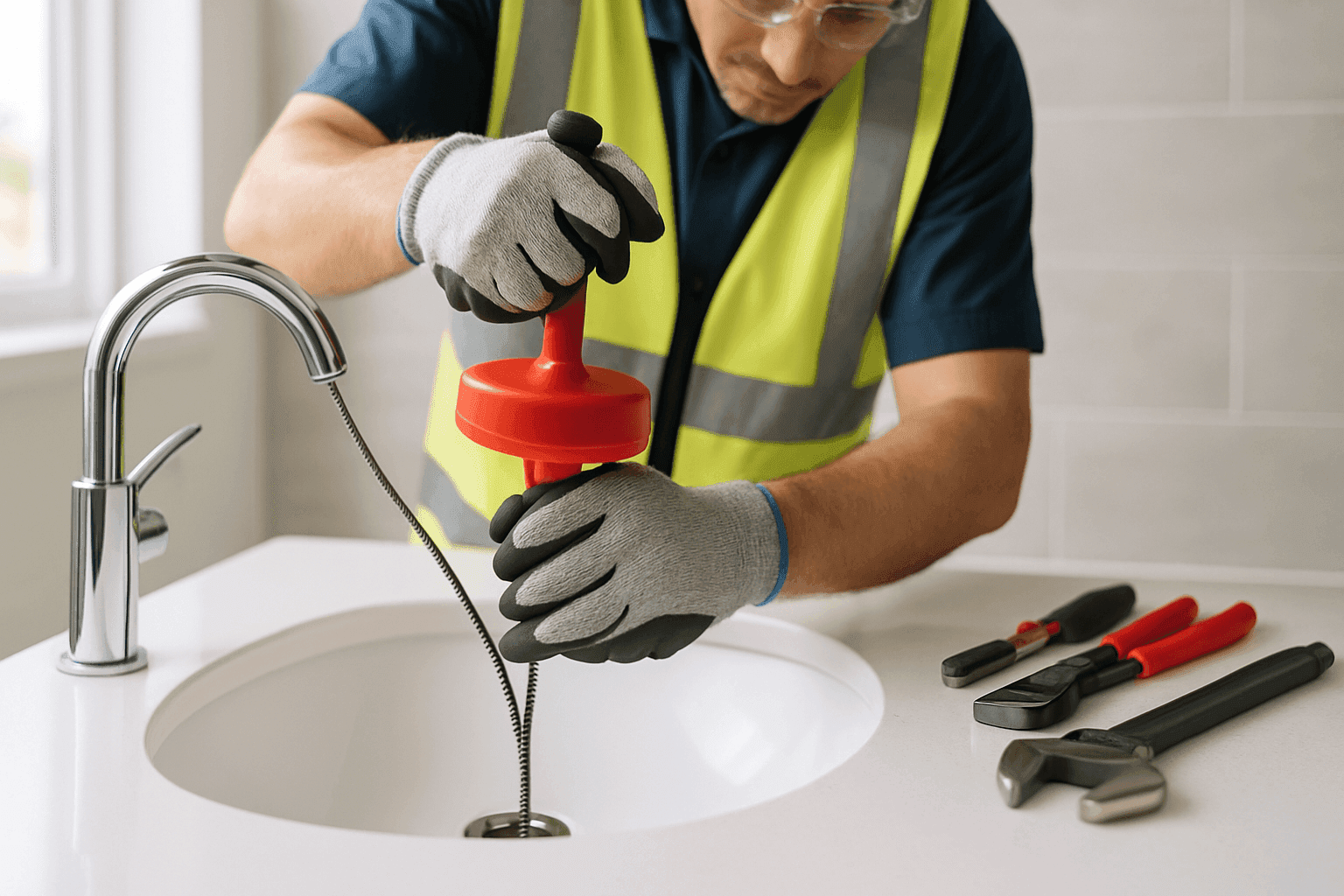
Ever stood ankle-deep in shower water that won’t budge? Or watched your kitchen sink fill as you rinse, dreading what’s lurking down there? You’re not alone. Backed-up drains can turn a regular day into a full-blown emergency. Whether you’re a homeowner or you run a busy cafe, slow drains spell trouble fast.
At The Four Plumbing, we’ve seen it all: quick fixes gone wrong, pipes packed with grease, and late-night emergencies that just couldn’t wait. We’re here to break down the safest, most effective ways to clear and prevent stubborn clogs—so you can keep the water (and life) flowing.
Types of Drain Clogs
Clogs come in all shapes and sizes. Some are as stubborn as tree roots. Others are more like a traffic jam of hair and soap. Here’s what you might find:
- Hair & Soap: Common in bathroom sinks, tubs, and showers. Hair tangles, soap scum glues it all together.
- Grease & Food Scraps: Kitchen sinks suffer from grease, coffee grounds, and food bits. Grease hardens like candle wax as it cools.
- Foreign Objects: Kids’ toys, jewelry, or hygiene products—anything that shouldn’t go down the drain but does.
- Mineral Buildup: Hard water leaves behind minerals. Over time, these line pipes and shrink water flow.
- Tree Roots: Outside, roots sniff out even the tiniest pipe cracks. They invade, grow, and turn your sewer line into their own watering hole.
- Paper Products: Too much toilet paper, or the wrong kind (wipes and paper towels), can choke pipes quickly.
Recognizing the clog helps you pick the right fix. And sometimes, the right fix means calling for emergency plumbing—especially with sewer lines or if water is backing up everywhere.
Quick Safety Checklist 🛑
Before you roll up your sleeves or call for Sump Pump Repair near you, pause. A few simple steps keep you safe and your home damage-free:
- Wear gloves: Protect your skin from chemicals, bacteria, and sharp debris.
- Ventilate: Open windows or turn on fans—especially if using cleaners.
- Turn off water: If possible, shut the water supply at the fixture to prevent flooding.
- Unplug appliances: Garbage disposals and sump pumps should be off before you start.
- Use tools, not hands: Use a plunger, snake, or brush. Avoid sticking your hand deep into the drain.
- Know your limits: If you smell gas, see sewage, or there’s standing water, stop and call a pro immediately.
Safety first. No drain is worth a trip to the ER.
DIY Cleaning Techniques
Not every clog needs a professional. Some can be handled with common tools and a little elbow grease.
Basic Tools & Eco-Friendly Fixes
- Plunger: Reliable and easy. Create a tight seal and pump with force.
- Drain Snake: Also called an auger. Push it in, twist, and pull out hair or gunk.
- Boiling Water: For grease or soap, pour boiling water slowly to melt buildup.
- Baking Soda & Vinegar: Pour half a cup of baking soda, then half a cup of vinegar. Wait for fizzing, flush with hot water after 10–15 minutes. This is gentle and environmentally friendly.
- Dish Soap & Hot Water: Cuts grease in kitchen drains. Use a generous amount of soap, follow with hot water.
What NOT to Do
- Avoid harsh chemicals: Store-bought cleaners can damage pipes—especially older ones. The U.S. Environmental Protection Agency (EPA) recommends safer alternatives wherever possible.
- Don’t over-force: Excessive plunging or snaking can crack porcelain or damage pipes.
- No coat hangers: They’re tempting, but can scratch or puncture pipes.
DIY works for simple clogs. If you try and water still won’t drain, it’s time for professional help.
Professional Services
Sometimes a clog is just too stubborn. Or it’s buried deep in the plumbing maze. That’s where The Four Plumbing comes in.
How Pros Tackle the Tough Jobs
- Video Camera Inspection: A small camera snakes through the pipes. We find the exact blockage—tree roots, collapsed pipes, or buildup you’d never see.
- Hydro Jetting: High-pressure water blasts away grease, roots, and debris. It’s powerful, fast, and chemical-free.
- Mechanical Augers: Heavy-duty snakes reach clogs buried far down the line.
- Enzyme Cleaners: For eco-friendly maintenance, enzyme solutions digest organic matter without harming pipes or the planet.
- Pipe Repair & Replacement: If we find cracked or corroded pipes, we can repair or repipe as needed.
The Four Plumbing technicians follow local building codes and safety guidelines from the International Plumbing Code (IPC) and the Occupational Safety and Health Administration (OSHA). This keeps your property—and everyone inside—protected.
Preventative Maintenance 🛠️
An ounce of prevention is worth a pound of plunging. Here’s how you can keep drains running clear:
- Catch hair & debris: Use mesh drain covers in sinks, showers, and tubs.
- Scrape plates: Toss food scraps in the compost or trash, not down the sink—even with a garbage disposal.
- Pour grease into containers: Don’t dump it down the drain. Let it solidify, then throw it away.
- Flush with hot water: Once a week, pour boiling water down your drains to dissolve soap and grease.
- Schedule annual inspections: Professional drain and sewer inspections catch problems early.
- Install water filtration systems: These reduce mineral buildup and keep water flowing.
Consistent maintenance keeps emergencies at bay and protects your plumbing investment for years to come.
Costs & Time Factors
Every clog is a little different. Here’s what to expect:
- DIY fixes: Most take 10–30 minutes, with minimal cost (basic tools, baking soda, vinegar).
- Professional drain cleaning: Depending on severity and method, pros may take 30 minutes to several hours. Video inspections and hydro jetting cost more but solve deeper issues.
- Repairs or replacements: Broken pipes or major blockages require more time and higher investment.
Remember, delaying a fix can turn a small issue into a major repair. Early action saves time and stress.
When It’s an Emergency
Some drain problems can’t wait:
- Sewage backup: Water coming up from toilets, tubs, or floor drains needs urgent help.
- Flooding: Any standing water or overflow can damage floors, walls, and belongings.
- Gas smells: Stop work and call for emergency plumbing and gas safety checks immediately.
- No drainage at all: If nothing moves, it may be a main line blockage.
If in doubt, call The Four Plumbing. Fast action prevents water damage and health risks.
FAQ
How often should drains be cleaned?
For most homes and businesses, once a year is a good rule of thumb. High-traffic kitchens or older homes may need more frequent checks.
Are chemical drain cleaners safe?
Most store-bought chemical cleaners can damage pipes and harm the environment. EPA and Safe Drinking Water Act guidelines recommend safer, eco-friendly methods.
Can I prevent clogs entirely?
No home is immune, but you can greatly reduce risk with good habits—drain covers, proper disposal of grease, and regular maintenance.
What if I keep getting clogs?
Recurring clogs often signal a bigger problem: tree roots, broken pipes, or improper installation. Professional inspection is the best next step.
Local/Seasonal Considerations 🌧️
- Winter: Pipes are more likely to freeze and crack. Watch for slow drains after cold snaps.
- Spring: Melting snow and rain can overwhelm sump pumps and sewer lines—especially in older buildings.
- Fall: Leaves and debris can block outdoor drains and gutters.
- Hard Water Areas: Mineral buildup is faster. Water filtration systems help.
No matter the season, routine checks and quick fixes keep drains flowing and emergencies rare.
Ready to get your drains back on track? Call The Four Plumbing now — or reach us anytime at 888-884-8551 .