Water Filtration Systems: Choosing the Best Option for Your Home
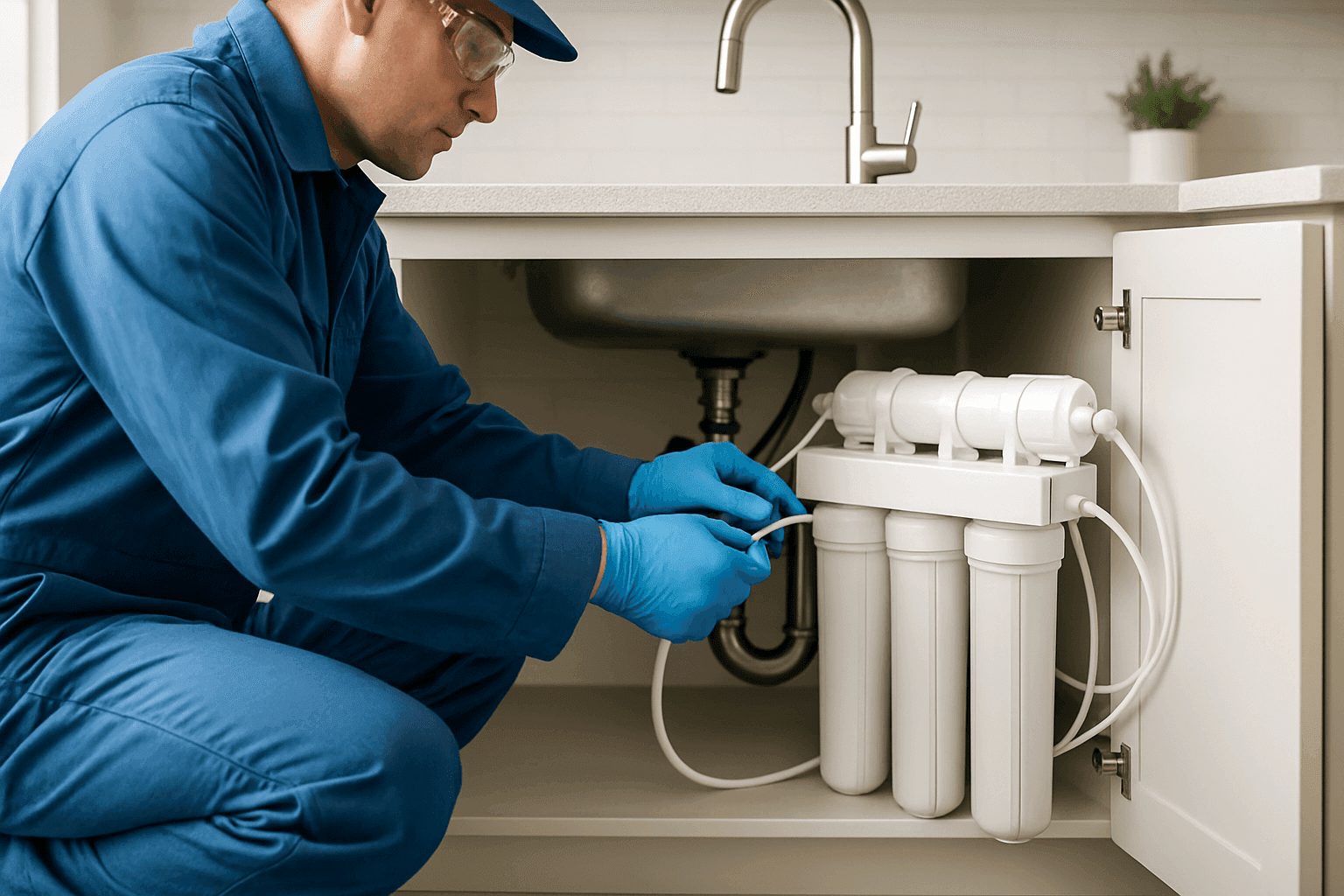
Nobody wants to pour a glass of water and wonder what’s lurking inside. Maybe you’ve noticed odd tastes, cloudy ice, or a faint smell that shouldn’t be there. Or you’ve heard stories about hard water ruining appliances and pipes. At The Four Plumbing, we’ve seen it all—sink stains, scale build-up, and costly repairs that could have been prevented.
Water quality isn’t just about taste. It’s about protecting your health and everything in your home that relies on water. Let’s break down the best water filtration options for your home, so you can feel confident with every sip, shower, and load of laundry.
Why Water Filtration Matters
Think of your water supply like a highway. Everything from upstream—minerals, chemicals, tiny bits of debris—rushes toward your tap. Without protection, those passengers can hitch a ride into your glass, your coffee maker, and even your hair. Water filtration acts like a toll booth, letting the good through and blocking the rest.
Unfiltered water may contain:
- Chlorine, used to treat city water but harsh on skin and hair
- Lead or copper from aging pipes (especially in older neighborhoods)
- Sediment and rust flakes that wear out appliances
- Microbes or bacteria when supply lines are compromised
The result? Risk to your health, ruined appliances, and plumbing headaches. That’s why filtration isn’t just a “nice-to-have”—it’s a smart investment for families and businesses alike.
Types of Home Water Filters 🚰
There’s no one-size-fits-all. Different households—and buildings—need different solutions. Here are the main options you’ll see:
Whole-House Water Filters
Installed where water enters your home. Every faucet, shower, and appliance benefits.
- Filters sediment, chlorine, and often more (depends on the model)
- Good for homes with hard water, visible particles, or unpleasant smells
- Protects plumbing and appliances from buildup
Under-Sink Water Filters
Tucked beneath your kitchen or bathroom sink.
- Filters only the water at that tap
- Popular for drinking and cooking water
- Can target specific contaminants (like lead or chlorine)
Pitcher Filters
Simple, portable, and affordable.
- Filter water as you fill the pitcher
- No installation required
- Best for renters or small households
Pros and Cons of Each
Let’s make this crystal clear. Each system has strengths—and a few trade-offs.
Whole-House Filters
Pros:
- Protects every water source in your home
- Reduces buildup in appliances and pipes
- Less frequent filter changes
Cons:
- Higher upfront cost
- Professional installation recommended
- May require space in your utility area
Under-Sink Filters
Pros:
- Focuses on drinking and cooking water
- Easy filter changes
- Compact, out of sight
Cons:
- Only filters at one location
- Installation may need a pro (especially with plumbing modifications)
- Doesn’t protect showers or laundry
Pitcher Filters
Pros:
- No plumbing skills needed
- Portable—take to the office or on vacation
- Low cost
Cons:
- Limited capacity—frequent refills
- Only filters what’s in the pitcher
- Filters need more frequent replacement
Water Quality Considerations
Not all water is created equal. Before choosing a system, know what’s coming out of your tap.
- Hard Water: Leaves white spots and scale on glassware and fixtures. Causes wear on dishwashers and heaters.
- Chlorine: Can make water taste or smell like a swimming pool.
- Lead/Copper: Especially risky in older homes with outdated pipes.
- Sediment: Gritty, cloudy water. Can clog fixtures and damage appliances.
- Microbes: Rare in city water but possible after supply interruptions or in well systems.
You can request a water quality report from your city or use at-home test kits. The Environmental Protection Agency (EPA) offers guidance on safe water standards. If your results raise concerns, talk to a licensed plumber about targeted filtration.
Installation & Maintenance Tips 🛠️
A filter is only as good as its installation. We see a lot of DIY jobs go sideways—leaks, cross-threaded pipes, even mold under cabinets from slow drips. Here’s what to keep in mind:
- Certified Products: Choose filters certified by NSF, WQA, or another recognized authority. Certification means the filter does what it claims.
- Licensed Installation: Especially for whole-house or under-sink systems. Proper installation prevents leaks, ensures correct water pressure, and keeps your warranty valid.
- Maintenance: Mark your calendar for filter replacements. Some filters last months; others, only weeks. Don’t let a clogged filter slow your flow or breed bacteria.
- Check for Leaks: After installation, monitor for drips or dampness around fittings.
If you’re ever unsure, professional plumbers (like The Four Plumbing) handle water filtration, pipe repair, and emergency plumbing every day. We don’t cut corners—and neither should you.
How to Choose Based on Your Needs and Budget
Start with these questions:
- What’s in your water? Test or get a water report.
- Where do you need filtered water? Whole house, kitchen, or just for drinking?
- Do you own or rent? Some systems require plumbing changes.
- How much space do you have? Some filters need extra room.
- What’s your budget? Upfront cost vs. long-term filter replacements.
For families worried about health and appliance life, whole-house systems are often worth the investment. Renters or small households may prefer under-sink or pitcher options. And if you’re running a business—think about how filtered water improves customer experience, from coffee to clean restrooms.
Comparison Snapshot
- Whole-House Filters: Best for total home protection. Higher up-front cost, lower maintenance over time.
- Under-Sink Filters: Best for focused, high-quality drinking water. Moderate cost, easy upkeep.
- Pitcher Filters: Best for portability and ease. Low cost, but more frequent maintenance.
Frequently Asked Questions
Do I really need a water filtration system if my city says water is safe?
“Safe” means it meets minimum standards. But many families notice taste, odor, or mineral buildup even in treated city water. Filtration gives extra peace of mind—especially for kids, pets, or sensitive appliances.
How often should I replace my filter?
It depends on the type and usage. Whole-house filters may last 6–12 months; under-sink, 3–6 months; pitcher filters, every few weeks. Always follow the manufacturer’s instructions and mark your calendar.
Can I install a water filtration system myself?
Pitcher filters—sure. Under-sink or whole-house? It’s possible, but even minor mistakes can cause leaks or water damage. Licensed plumbers ensure safe, code-compliant installation.
Will a filter remove hard water stains?
Some filters reduce minerals, but true water softeners are designed for hard water. If you’re dealing with stubborn spots or appliance issues, ask about options for both filtration and softening.
Local and Seasonal Water Quality Issues 🏡
Across the region, water quality can shift with the seasons. Heavy rain can stir up sediment in city lines. Aging water mains may release rust or metals after repairs. Well users face unique challenges—seasonal runoff, bacteria, or mineral spikes.
Regular water testing and preventative maintenance are crucial. In older neighborhoods, pipe repair or repiping may be needed to keep water clean. For commercial buildings, backflow prevention and regular inspections keep your business up to code.
When in doubt, ask a licensed plumber to review your setup. A little planning now can save big headaches—and expenses—down the road.
Ready to Make the Switch?
Cleaner water is just a call away. Whether you’re considering a new filtration system, need Sump Pump Repair near you, or want to talk leak detection, The Four Plumbing brings years of experience to your home or business.
Call The Four Plumbing now — or reach us anytime at 888-884-8551 .