Boiler Repair Basics: Common Issues, Costs & When to Replace
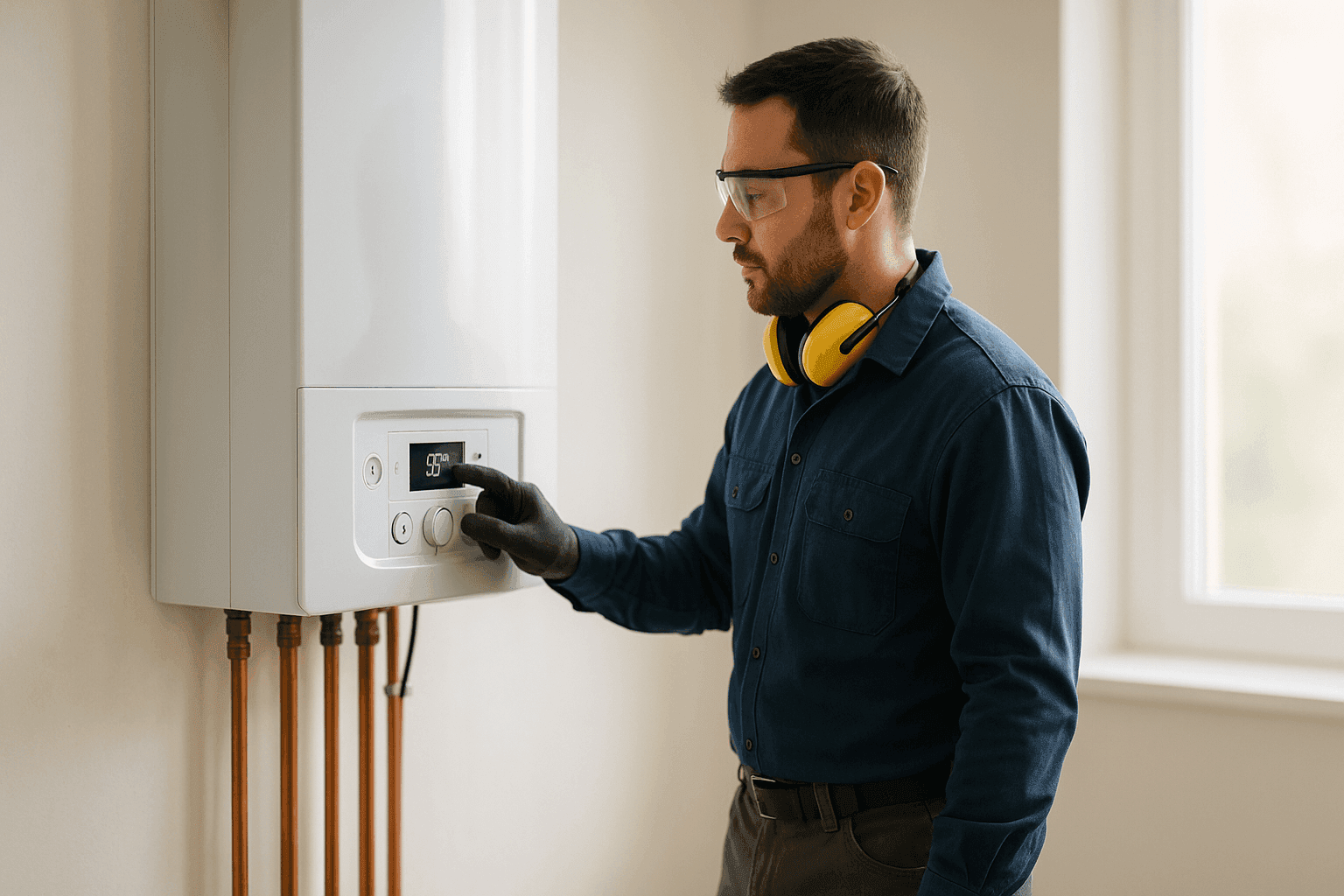
Is your boiler making strange noises in the middle of the night? Noticed cold spots in rooms that should feel toasty? When a boiler falters, every hour matters—especially in the heart of winter or a busy workday.
At The Four Plumbing, we know that boiler problems can bring life to a halt. Whether you’re managing a home or a commercial property, the risks—from water leaks to carbon monoxide—are too serious to ignore. Here’s how to keep your space safe, efficient, and warm, with the facts you need to make calm, confident decisions.
Common Boiler Problems 🚨
Boilers have a reputation for reliability, but even the best ones run into trouble. Here are warning signs to watch for:
- No heat or hot water: Suddenly, your morning shower turns icy. Could be a broken thermostat, valve, or a pilot light gone out.
- Strange noises: Banging, whistling, or gurgling? That’s your boiler’s way of crying for help. Limescale, trapped air, or pump issues are usual suspects.
- Leaks and drips: Puddles under the unit signal internal problems. Corrosion, failed seals, or pressure issues can all be to blame.
- Pilot light problems: If it keeps going out, don’t just relight—find out why. Faulty thermocouples or gas supply interruptions could be lurking.
- Low pressure: Boilers need just the right pressure to work. Anything outside the 1–2 bar range (check your gauge) means trouble.
- Radiators not heating: Cold spots on radiators? Could be sludge build-up or air trapped inside.
- Error codes: Modern boilers show errors on their display. Grab your manual or call a pro to decode.
Ignoring these signs can lead to bigger problems: water damage, mold, or even dangerous gas leaks. Safety first, always.
Repair or Replace?
It’s the question everyone faces: patch it up or start fresh? Here’s how to decide.
When Repair Makes Sense
- Boiler is under 10 years old
- The issue is minor (e.g., thermostat, valve, or pressure switch)
- Parts are still available
- Repair costs are less than half the price of a new boiler
When Replacement Is Wiser
- Boiler is over 15 years old: Older units lose efficiency and may not meet current safety codes.
- Frequent breakdowns: If you’re calling for emergency plumbing every season, it’s time.
- Major leaks or damaged heat exchanger: These repairs get expensive fast.
- Energy bills keep rising: Efficiency drops as boilers age.
A new boiler can mean lower energy costs, improved safety (think carbon monoxide sensors), and peace of mind. According to the U.S. Department of Energy, replacing old boilers with ENERGY STAR® models can save up to 30% on heating bills.
Cost Factors That Matter
Boiler repair and replacement costs can feel like a maze. Here’s what really drives the price:
- Type of boiler: Standard, combi, or system? Each comes with its own repair quirks.
- Nature of the problem: Simple fixes like valves or thermostats cost less than major repairs like heat exchangers.
- Parts and labor: Some replacement parts are rare or pricey, especially for older models.
- Emergency vs. scheduled: Need Sump Pump Repair near you at 2 a.m.? Emergency plumbing calls cost more after hours.
- Regulatory compliance: Upgrades may be needed to meet local safety codes or efficiency standards, adding to the price.
- Location and access: Hard-to-reach boilers (like those in tight basements) may require more time and labor.
Most residential repairs land between a few hundred and a couple thousand dollars. Full replacements can run higher, depending on size and complexity.
Maintenance to Prevent Breakdowns 🛠️
Think of boiler care like regular oil changes for your car. Small investments pay off big.
- Annual inspections: Schedule a pro to check gas lines, venting, and safety controls. The National Fire Protection Association (NFPA) recommends yearly checks.
- Bleed radiators: Release trapped air to keep heat even and efficient.
- Monitor pressure: Check the gauge monthly. Top up or release pressure as needed.
- Clean around the boiler: Keep the area clear of dust, debris, and flammable materials.
- Test carbon monoxide detectors: Change batteries every six months.
- Look for leaks: Catching a drip early can prevent water damage and mold.
Commercial properties may need more frequent checks, especially in high-use settings like restaurants or apartments.
Safety First: Quick Boiler Checklist
Before you do anything, run through this list:
- Smell gas? Leave immediately and call emergency services.
- Check for water leaks around the boiler and pipes.
- Listen for unusual noises—bangs, whines, or gurgling sounds.
- See any error codes on the display? Note them down.
- Test your carbon monoxide alarm every month.
- Make sure vents and flues are clear of obstructions.
When in doubt, call a licensed technician. Gas and hot water systems are not DIY territory.
DIY or Call a Pro?
Some minor fixes are safe for the handy homeowner or facilities manager. Others are not.
DIY-friendly:
- Bleeding radiators
- Resetting the thermostat
- Checking the circuit breaker
Call a professional for:
- Gas leaks or suspected carbon monoxide
- Electrical faults
- Replacing internal boiler parts
- Flue or venting issues
Remember, even if you’re comfortable swinging a wrench, local building codes (like those from the International Code Council) often require licensed pros for gas and boiler work.
What Pros Do On Arrival
When a technician from The Four Plumbing arrives, they’ll:
- Assess safety: Check for gas, water, and electrical hazards.
- Inspect the unit: Open the panel, look for leaks, corrosion, and worn parts.
- Test controls and sensors: Ensure the thermostat, pressure gauge, and safety shutoffs work.
- Run diagnostics: Modern boilers have onboard computers to help pinpoint issues.
- Explain findings: Clear, simple language—no confusing jargon.
- Quote repair or replacement options: With full transparency.
- Complete the repair: Using approved parts and following current safety regulations.
Prevention & Maintenance
A little attention goes a long way toward avoiding boiler emergencies:
- Book annual tune-ups: Certified pros spot trouble before it starts.
- Flush the system: Removes sludge and mineral buildup.
- Install water filtration systems: Protects against limescale, especially in hard water areas.
- Regular leak detection: Catch pinhole leaks early before they become geysers.
- Check gas safety: Schedule routine gas line inspections and backflow testing.
The Four Plumbing also recommends reviewing your boiler’s manual. Manufacturer guidelines matter for both safety and warranty coverage.
Costs & Time Factors
Every situation is unique, but here are some ballpark figures:
- Minor repairs: Fixing a thermostat, pressure relief valve, or sensor—typically a few hundred dollars.
- Mid-level repairs: Replacing pumps, diverter valves, or igniters might cost more, depending on parts and labor.
- Major repairs: Heat exchanger or major leak? Costs can rise quickly, sometimes approaching the price of a new unit.
- Full replacement: New high-efficiency boilers (plus installation) can run from several thousand dollars up, depending on size and complexity.
Time factors:
- Most repairs take 1–3 hours if parts are on hand.
- Full replacements may require a day or more, especially if code upgrades or new venting are needed.
Urgency, access, and boiler type all play a role in both time and cost.
When It’s an Emergency
Some boiler issues can’t wait. Here’s when to call for emergency plumbing—day or night:
- No heat in freezing weather: Protect your pipes and health.
- Major leaks or flooding
- Smell of gas or burning
- No hot water in critical settings: Hospitals, restaurants, or care facilities.
If you suspect carbon monoxide, leave immediately and contact emergency services before calling for Sump Pump Repair near you or any other assistance.
FAQ: Boiler Repair and Replacement
Q: How long does a typical boiler last?
Most modern boilers last 10–15 years with proper maintenance. Hard water, lack of service, and heavy use can shorten that lifespan.
Q: Can I keep using my boiler if it’s leaking a little?
No. Even a small leak can lead to water damage, electrical hazards, and mold growth. Shut off the system and call for help.
Q: Are boiler repairs covered by insurance?
It depends on your policy. Sudden, accidental damage may be covered, but wear-and-tear or lack of maintenance usually isn’t.
Q: Do I need a permit to replace my boiler?
In most areas, yes. Local building codes and safety standards (like those set by the National Board of Boiler and Pressure Vessel Inspectors) apply. Always check before starting work.
Local and Seasonal Considerations ❄️
Boiler problems don’t follow a calendar, but winter is the peak season for calls. In colder regions, frozen pipes or extra demand can push older systems to the limit. Summer, on the other hand, is a good time for preventative maintenance—long before you need steady heat.
Commercial properties with high occupancy, like schools or offices, may require more frequent checks. And if your area is prone to hard water, mineral buildup can shorten your boiler’s lifespan.
Regulations also vary by city and state—especially for commercial buildings. Stay up-to-date on annual inspections and code changes to avoid fines or disruptions.
When your boiler throws a tantrum, don’t wait. The Four Plumbing is ready for any emergency plumbing need—day or night. If you’re seeing warning signs or just want peace of mind before winter hits, we’re here to help.
Call The Four Plumbing now — or reach us anytime at 888-884-8551 .