Backflow Prevention: Devices, Costs & Why It Matters
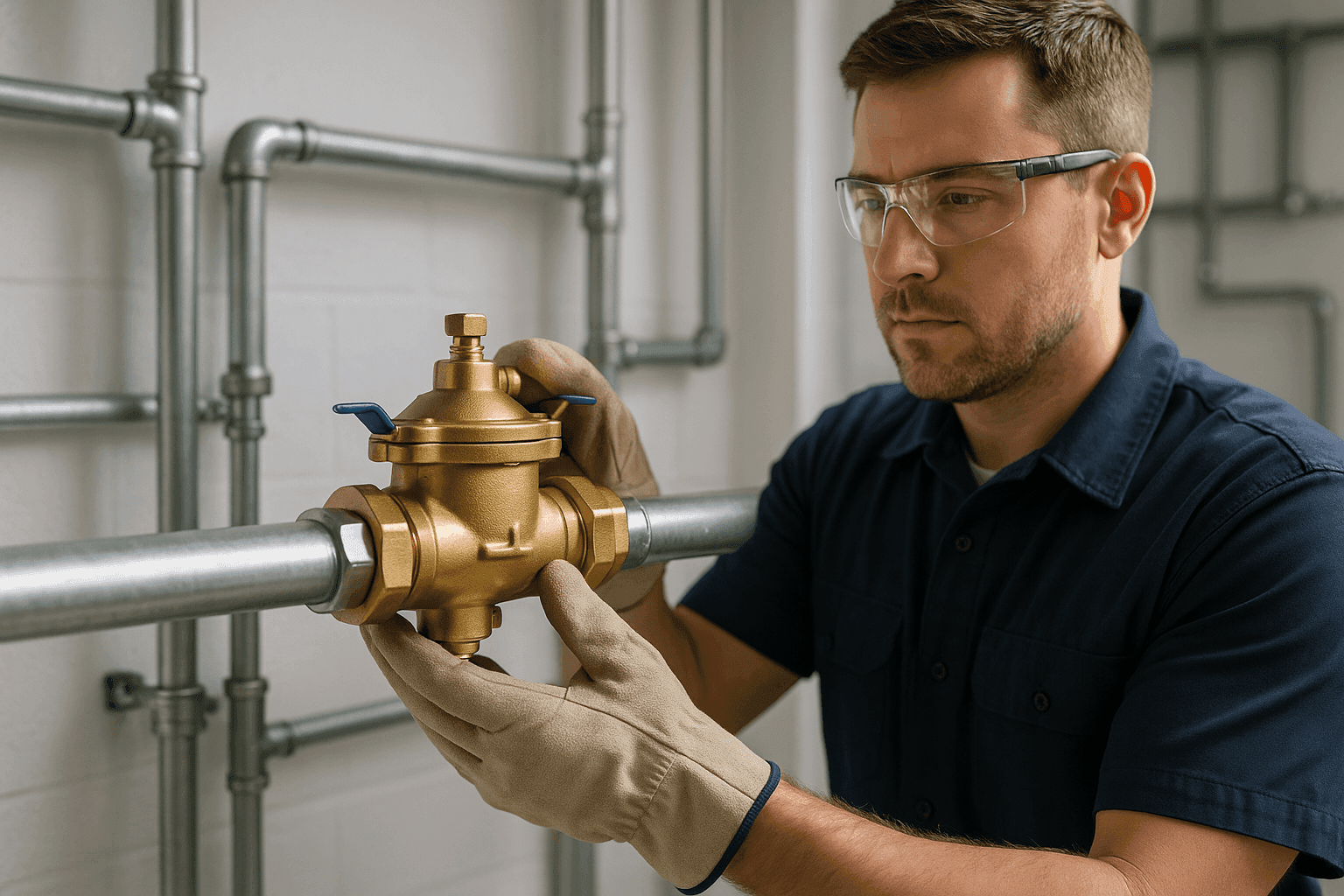
Every drop of water that flows into your home or business is meant to be clean and safe. But what if, for a split second, the flow reverses? Suddenly, water that should be going out is coming right back in—bringing whatever it picked up along the way. Backflow isn’t just a plumbing hiccup. It’s a real risk to your health, your property, and your peace of mind.
At The Four Plumbing, we’ve seen firsthand how quickly a backflow problem can escalate. Whether you’re managing a busy restaurant or relaxing at home, knowing your water is safe isn’t optional. It’s essential. Let’s break down what backflow is, the devices that stop it, how much it costs, and why every home and business should care.
What Is Backflow?
Imagine your plumbing as a one-way street. Water is supposed to flow in, never out. Backflow is when that system fails—like a wrong-way driver barreling toward oncoming traffic.
This reversal can happen for a few reasons:
- Backpressure: When downstream pressure (from a boiler, pump, or even a garden hose) becomes greater than the supply pressure, it can force contaminated water back into your clean water supply.
- Backsiphonage: Picture a sudden drop in water pressure—maybe from a broken main or a fire hydrant in use. This creates a vacuum, sucking water (and anything in it) back into your pipes.
Contaminants can include fertilizers, human waste, cleaning chemicals—things you definitely don’t want in your tap. That’s why local water authorities and plumbing codes (like IPC and UPC) require backflow prevention devices in many settings.
Device Options 🛡️
Not all backflow prevention devices are created equal. The right choice depends on your plumbing, risk level, and local regulations.
1. Air Gap
The simplest method. An air gap is a literal gap—like the space between your sink faucet and the flood rim of your sink. Water can’t flow backward through air. No moving parts, but only suitable for specific fixtures.
2. Atmospheric Vacuum Breaker (AVB)
A small, cost-effective device often attached to hose bibs or irrigation systems. It stops water from being siphoned back but can’t handle constant pressure.
3. Pressure Vacuum Breaker (PVB)
One step up from AVB. Handles continuous pressure, making it ideal for sprinkler systems and commercial setups.
4. Double Check Valve Assembly (DCVA)
Two check valves in one unit. Good for low-to-medium hazard situations, like apartment buildings or small businesses.
5. Reduced Pressure Zone Assembly (RPZ)
The gold standard for high-risk settings—think hospitals, restaurants, or anywhere chemicals enter the plumbing. It has a relief valve and two check valves to keep contaminants out.
Tip: Local codes, like those enforced by your city or county water authority, often dictate which device you need. Always check before installing.
Installation & Costs
Backflow prevention devices are not plug-and-play gadgets. Installation requires knowledge of your plumbing system and, often, permits or inspections.
What’s Involved?
- Assessment: A licensed plumber inspects your property and water usage.
- Device selection: Based on risk level, plumbing layout, and local code.
- Installation: Cutting pipes, adding valves, and securing the device. For some, like RPZs, additional drainage may be required.
- Testing: Most local authorities require certified testing after installation and annually thereafter.
Typical Cost Range
Costs depend on device type, pipe size, and site complexity:
- Air gap: Minimal, mostly labor.
- AVB/PVB: $100–$400 (parts and labor).
- DCVA: $350–$1,000+.
- RPZ: $500–$2,500+ for commercial installs.
Annual testing is typically $75–$200 per device. Remember, these are ballpark figures. Unusual plumbing layouts, hard-to-access pipes, or urgent emergency plumbing needs can add to the bill.
Who Needs Prevention?
Backflow prevention isn’t just for industrial sites. In many places, it’s required by law for:
- Restaurants, cafes, and commercial kitchens
- Multi-family properties and apartment buildings
- Medical facilities
- Buildings with fire sprinkler systems
- Irrigation systems (residential and commercial)
- Any property with a boiler or chemical feed
Even a single-family home with a sprinkler system or pool might need a backflow device. Local codes, like those from the American Water Works Association (AWWA) and your municipal water authority, set the rules.
Ignoring these rules? You could face fines, shutoff notices, or even legal action—plus risk contaminating your neighborhood’s water.
Why Backflow Prevention Matters
Think of your plumbing as the last line of defense between your family (or customers) and whatever lurks in old pipes, hoses, or irrigation lines. One mishap, and the water you drink or cook with could be unsafe—fast.
Backflow prevention protects:
- Health: Stops bacteria, chemicals, and waste from entering your drinking water.
- Property: Prevents water damage and contamination that can ruin fixtures, appliances, or inventory.
- Community: Keeps the public water supply safe for everyone.
Most water contamination incidents happen quietly—no warning until someone gets sick or the city issues a boil notice. Prevention is the only real safeguard.
Business Compliance & Local Authority Notes
Almost every city, county, and state has its own plumbing code. Many base their rules on the International Plumbing Code (IPC) or Uniform Plumbing Code (UPC), plus local updates.
- Routine Inspections: Most commercial and some residential properties need annual backflow device inspections, certified by a licensed tester.
- Paperwork: Expect to file reports with your local water authority.
- Penalties: Fines for non-compliance can be steep—sometimes thousands per violation.
If your business serves food, uses chemicals, or has a fire suppression system, compliance isn’t optional. It’s enforced by local health and building departments. Always keep your test reports handy.
Backflow Safety Quick Checklist
- Check for backflow devices on irrigation, fire, and boiler lines.
- Schedule annual backflow testing—don’t let it lapse.
- Know your local code requirements (ask your water provider or city).
- Don’t ignore warning signs: discolored water, odd tastes, or pressure drops.
- If you’re renovating or adding fixtures, get a plumbing assessment.
Installation: DIY or Call a Pro? 🔧
While replacing a faucet might be a Saturday project, backflow devices are a different animal. Here’s why:
DIY
- Risks: Incorrect installation can void insurance, fail inspection, and leave your water at risk.
- Special tools: Most devices require pressure testing equipment and knowledge of local codes.
- Permits: Most local authorities require a licensed plumber for installs and repairs.
Pro
- Ensures compliance with local code.
- Proper device selection for your needs.
- Handles paperwork and inspection scheduling.
- Provides certified testing and annual maintenance.
Unless you’re licensed and know your local requirements, backflow prevention is a job for the pros.
What to Expect When a Plumber Arrives
- Assessment: The plumber examines your plumbing, checks for existing devices, and reviews code requirements.
- Recommendations: You’ll get options based on your risk level and layout.
- Install/Test: Device is installed, tested, and certified.
- Paperwork: The plumber files reports with your water authority (if required).
- Education: You’ll be shown shutoffs and given maintenance instructions.
For emergency plumbing situations—like a failed backflow device or water contamination—expect faster service, but also higher costs due to urgency and after-hours work.
Prevention & Maintenance Tips
- Test devices every year—more often if local code or your water authority requires it.
- Watch for drips, leaks, or corrosion around the device.
- Never connect a hose or appliance to a faucet without an approved backflow preventer.
- If your system is shut off for repairs, retest backflow devices before restarting service.
- Keep maintenance records for insurance and compliance.
Costs & Time Factors
- Device type: RPZs and DCVAs cost more than AVBs and air gaps.
- Labor: More complex plumbing layouts take longer and cost more.
- Testing fees: Required annually in most places.
- Emergency plumbing: After-hours or rush jobs bring higher rates.
- Permits/Inspections: Some cities charge for paperwork or inspection visits.
A typical residential install may take 2–4 hours. Commercial projects can run a full day or more.
When It’s an Emergency
Certain red flags mean you should call for emergency plumbing right away:
- Water suddenly tastes, smells, or looks strange.
- You receive a boil-water or contamination notice from your water provider.
- Backflow prevention device is leaking or making noise.
- Sump Pump Repair near you can’t keep up with rising water pressure issues.
- Water pressure drops dramatically without explanation.
In these cases, shut off your main water valve and get a licensed plumber on-site immediately.
FAQ
What’s the difference between a check valve and an RPZ?
A check valve stops water from flowing backward. An RPZ (Reduced Pressure Zone Assembly) does that—and also has a relief valve for added safety, making it suitable for higher-risk settings.
Do I really need annual testing?
Yes. Most local codes and water authorities require annual testing for all backflow prevention devices, especially in commercial and multi-family settings.
Can I install a backflow preventer myself?
Most local codes require a licensed plumber for installation and certification, especially for RPZs and DCVAs. DIY installs often don’t pass inspection.
What if I ignore backflow prevention?
You risk fines, water shutoff, and—most dangerously—contaminating your water supply and neighbors’ water.
Local & Seasonal Considerations 🌦️
- Winter: Freezing temps can damage exposed backflow devices. Insulate or drain outdoor assemblies before the first frost.
- Spring: Irrigation systems must be tested before seasonal use—don’t skip this step.
- Renovations: Adding new fixtures or expanding your business? Get your backflow needs reassessed.
- New regulations: Local plumbing codes can change. Stay current by checking with your water provider or city building department.
Backflow Prevention: Protect What Matters
Backflow prevention isn’t just another box to check. It’s about protecting health, property, and community. If you’re unsure about your plumbing—or if you need certified backflow device installation, testing, or emergency plumbing—The Four Plumbing is ready to help.
Call The Four Plumbing now — or reach us anytime at 888-884-8551 .